
*** September 2026 Major Release ***Read and watch
Use case

KYC and KYB automation, matched across the file

Onboarding files hold IDs and proof of address for individuals, and formation, tax and ownership records for businesses. Analysts match names, numbers and owners across every one of them.

LandingAI transforms documents into highly accurate, verifiable, structured data so teams can reliably automate document-intensive workflows.

The Problem

Why onboarding files are slow to clear

Corporate files run long

A corporate client's file covers registration records, ownership structures, directorships, annual reports and jurisdiction-specific filings. At one global bank, a single client's documents reach 200 to 300 pages.1

Every identifier has to match

The legal name, EIN, address and owners must agree across the application, the formation document, the EIN notice, licenses and each owner's ID before the account opens.

The work repeats at every review

Periodic reviews re-collect and re-read the same file on a schedule set by risk. Fenergo's 2025 research found only about a third of periodic KYC reviews automated.2

One Pipeline

The same pipeline for every document

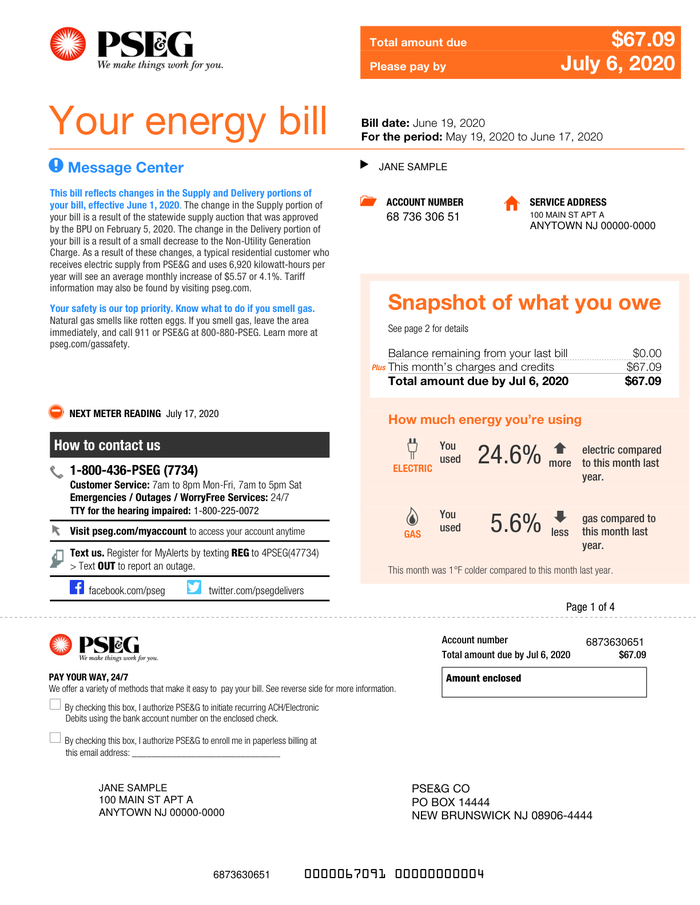
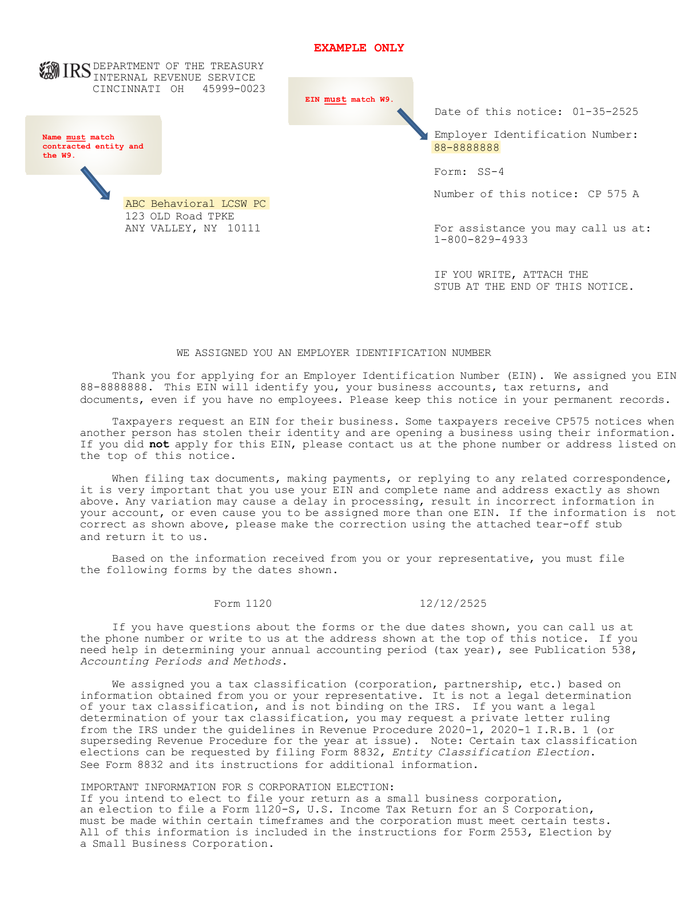
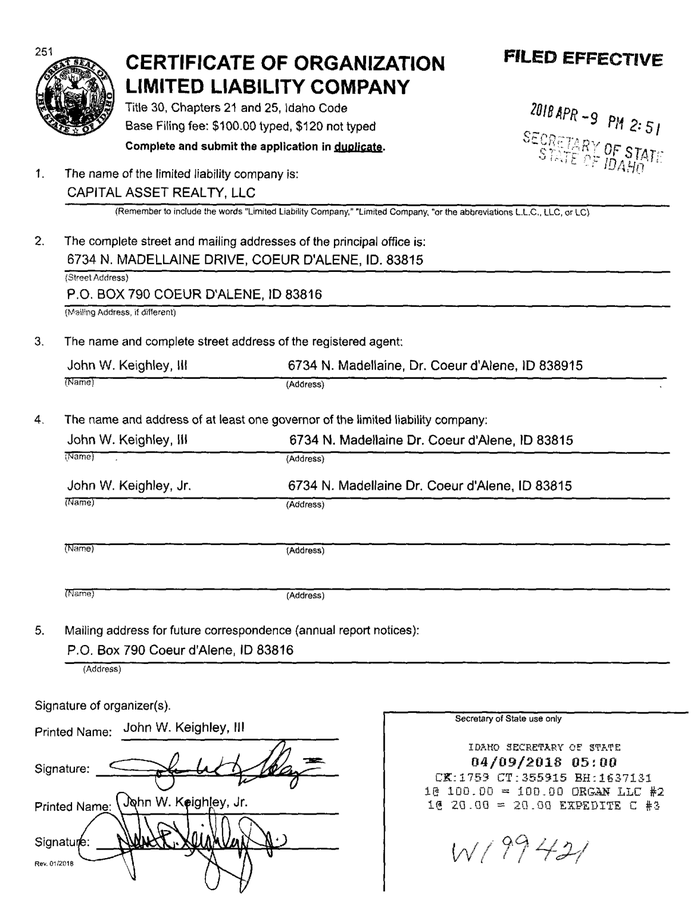
The same Parse call reads a utility bill, an IRS CP 575 and a business registration. Every document type uses one set of APIs, with zero templates to build and zero models to train or fine-tune.

  • No templates or training

    A new form, issuer or document type works on its first call, with nothing to configure.

  • Layout changes keep working

    If an issuer redesigns a form or a new version arrives, no pipeline changes are needed.

  • Test a new document in minutes

    Upload a sample in the Playground; agentic reasoning will immediately understand it.

Common pipelines

When documents arrive individually

Classify, then parse and extract each document into a databaseClassifyParseExtractDatabase

When documents arrive as a packet

Parse the packet, split it into documents, and extract each into its own databaseParseSplitExtractDatabaseExtractDatabaseExtractDatabase
How It Works

How it works for onboarding files

  1. 1

    Parse the onboarding pack

    Parse reads a combined upload, including multi-hundred-page filings, scans and character-based languages, into structured Markdown and keeps ownership tables intact.

    Parse API →
  2. 2

    Split it into documents

    Split takes the Parse output and separates the pack into passports, formation documents, EIN notices and statements, with the page range of each.

    Split API →
  3. 3

    Extract the values to match

    Extract returns names, identifiers, addresses, owners and ownership percentages as JSON that matches your KYC schema.

    Extract API →
  4. 4

    Ground every value

    Ground maps each extracted value to the block, page and bounding box it came from, so an analyst checks a mismatch on the original document before approving the file.

    Ground docs →
Specific Documents Involved

The KYC and KYB onboarding file

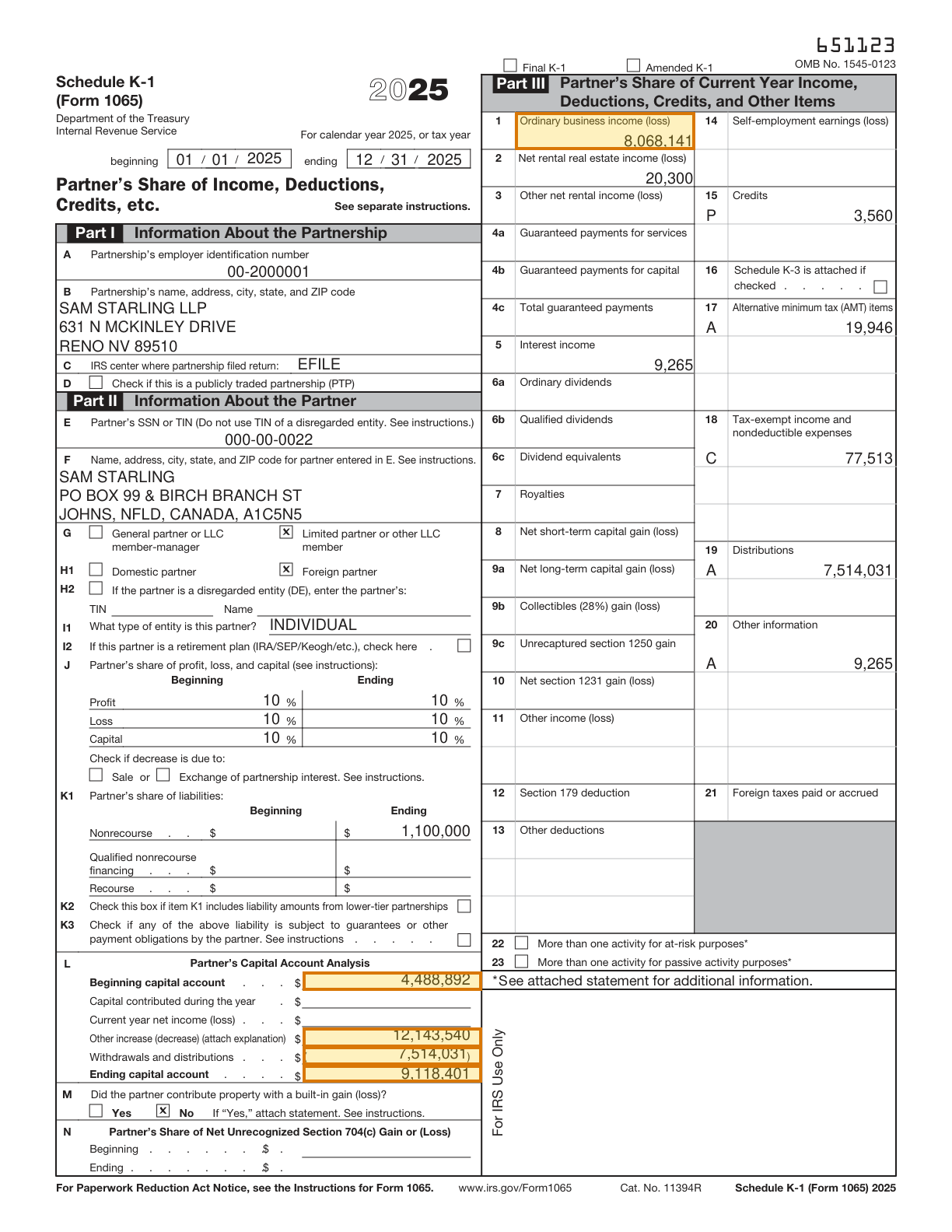
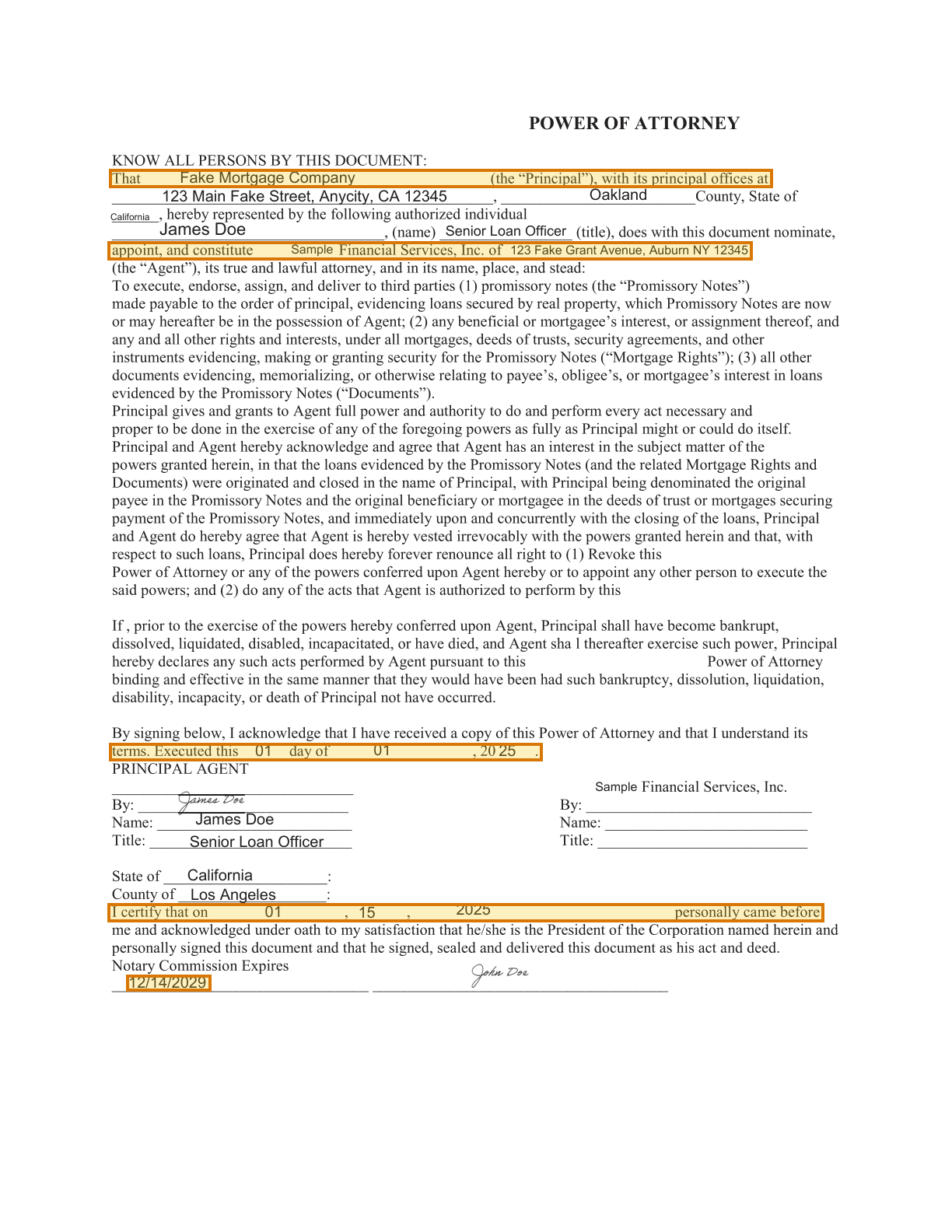
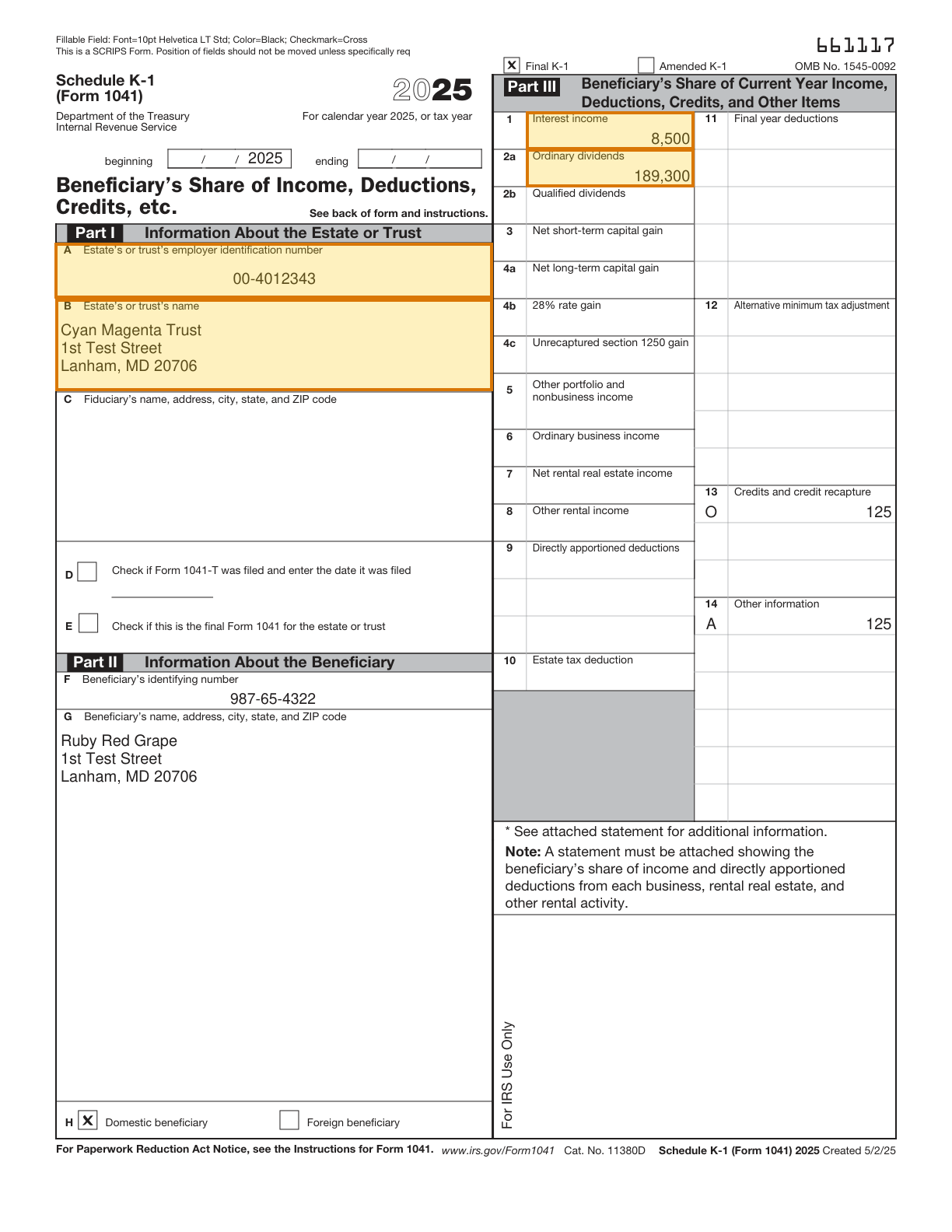
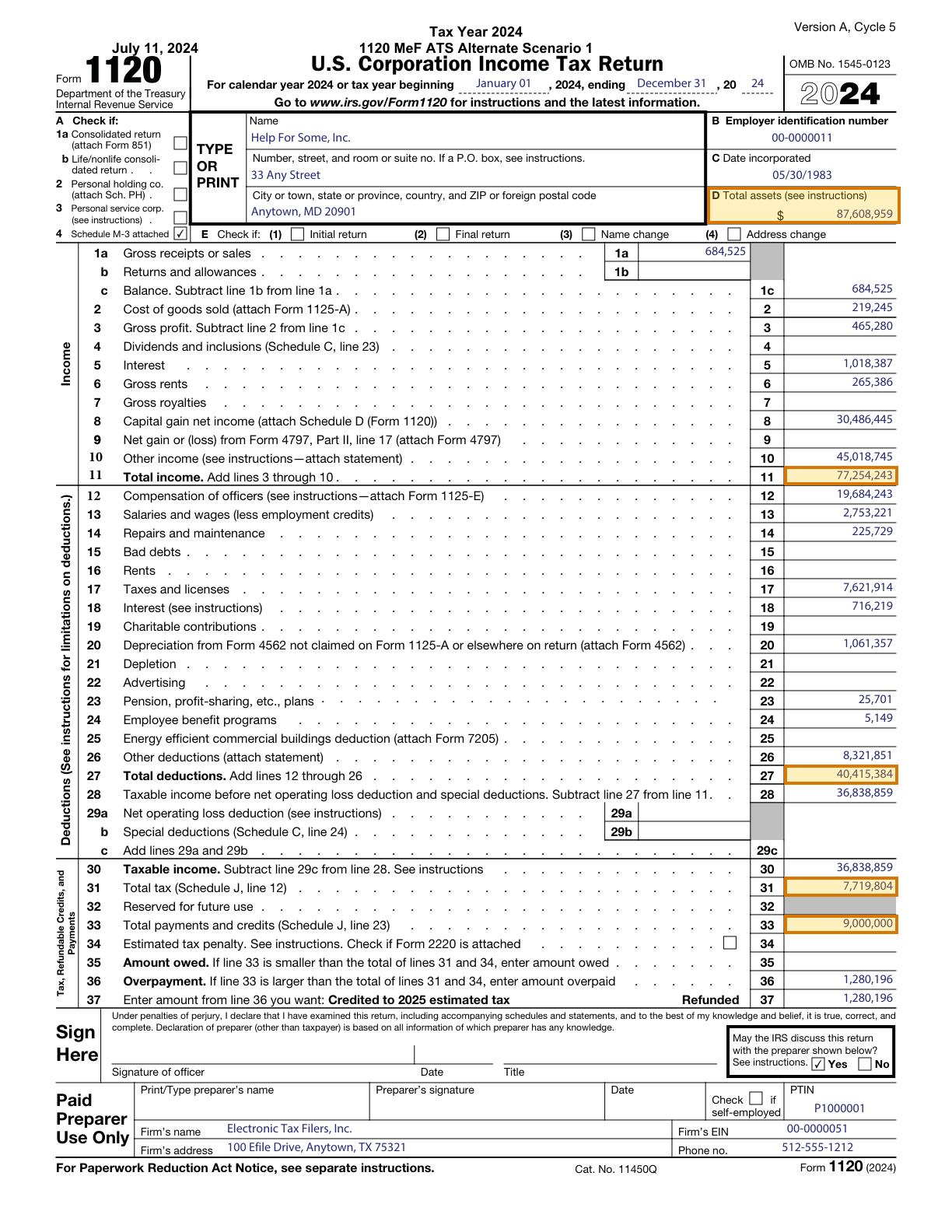
Trusted, high-volume processing of the documents involved in KYC and KYB requires handling diverse document types and layouts. A passport is very different from a business registration, which is different from a Schedule K-1. The pipeline must provide high accuracy and consistent outputs across all of them.

Our agentic approach is able to reason over each document type and return structured hierarchical Markdown and JSON outputs that downstream systems can rely on.

Worked examples

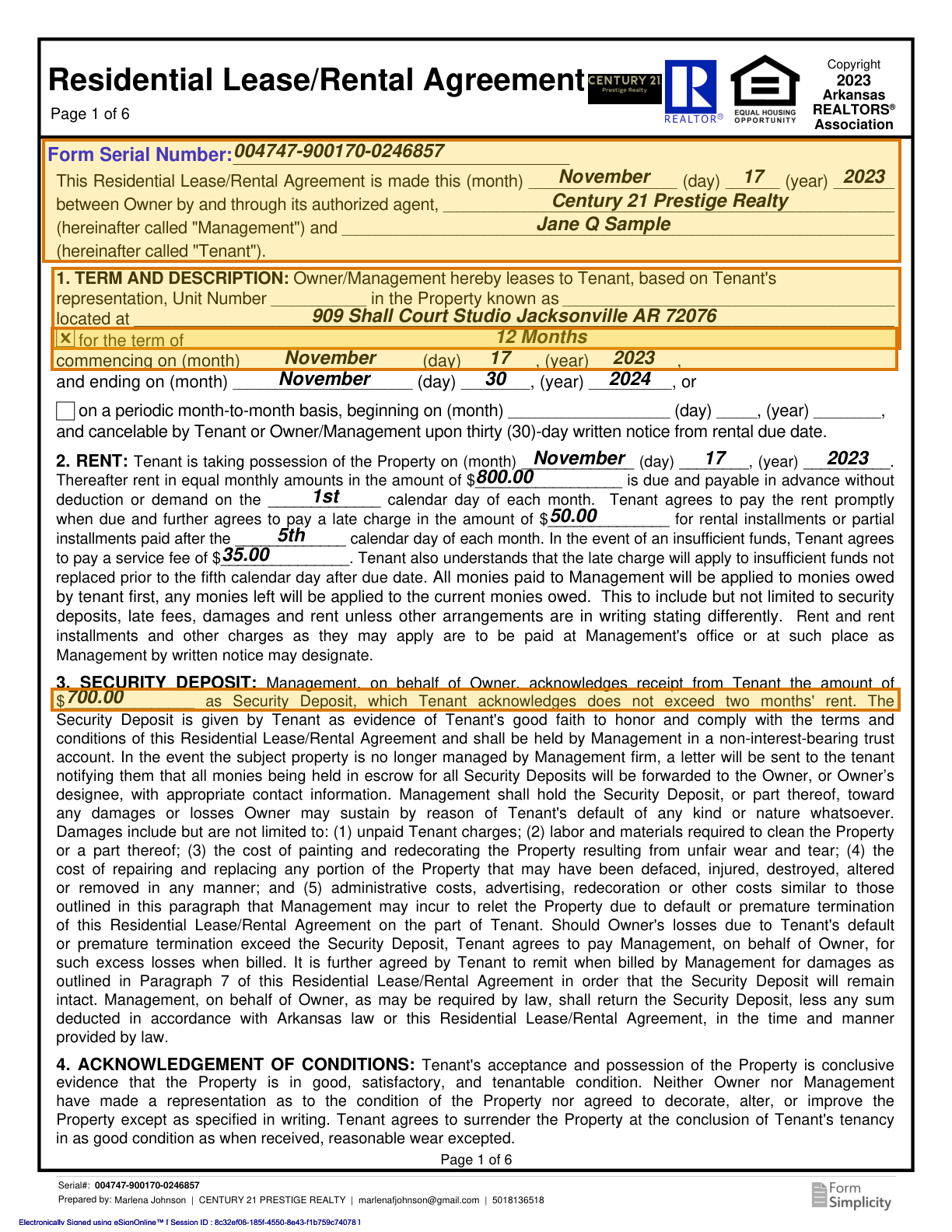
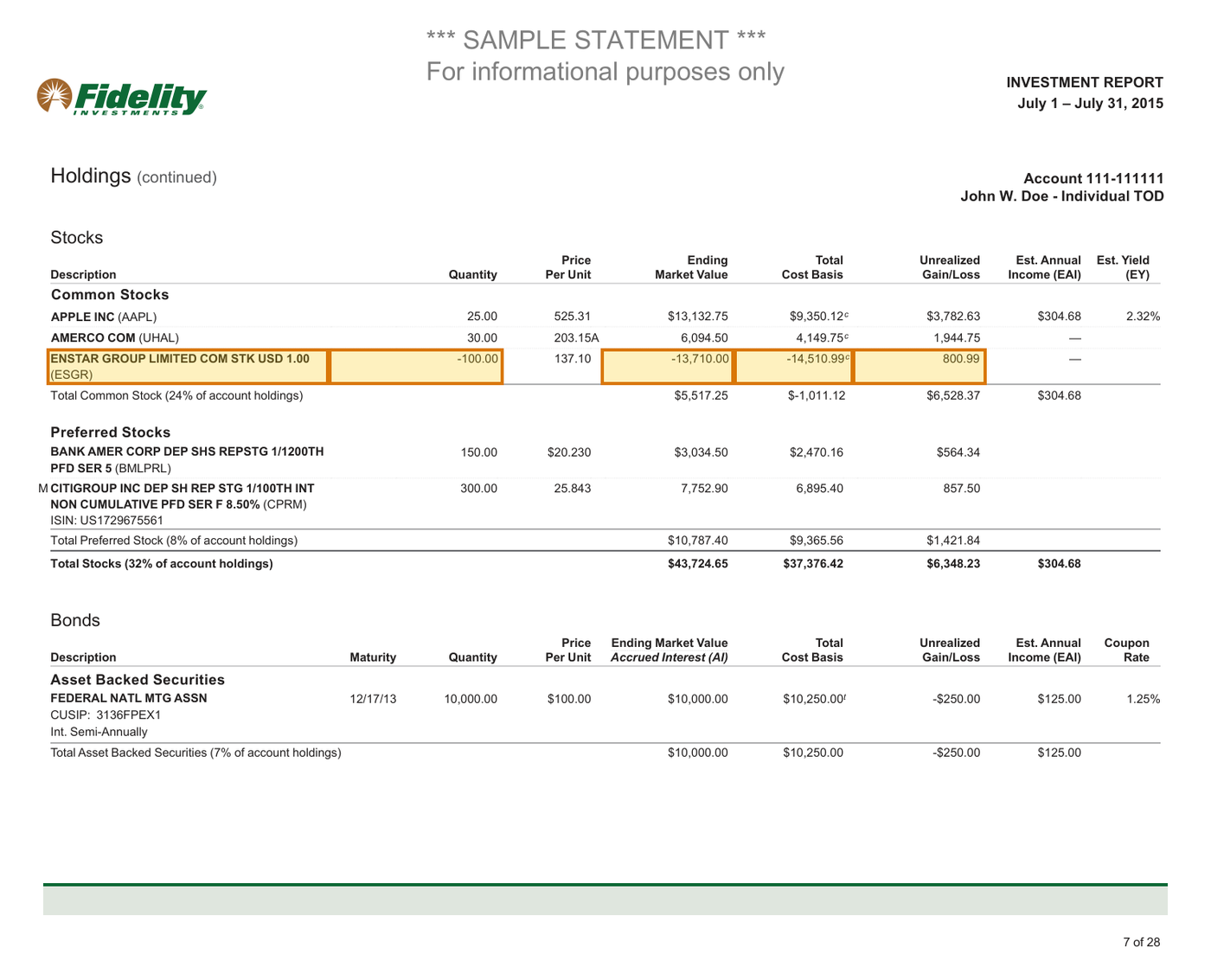
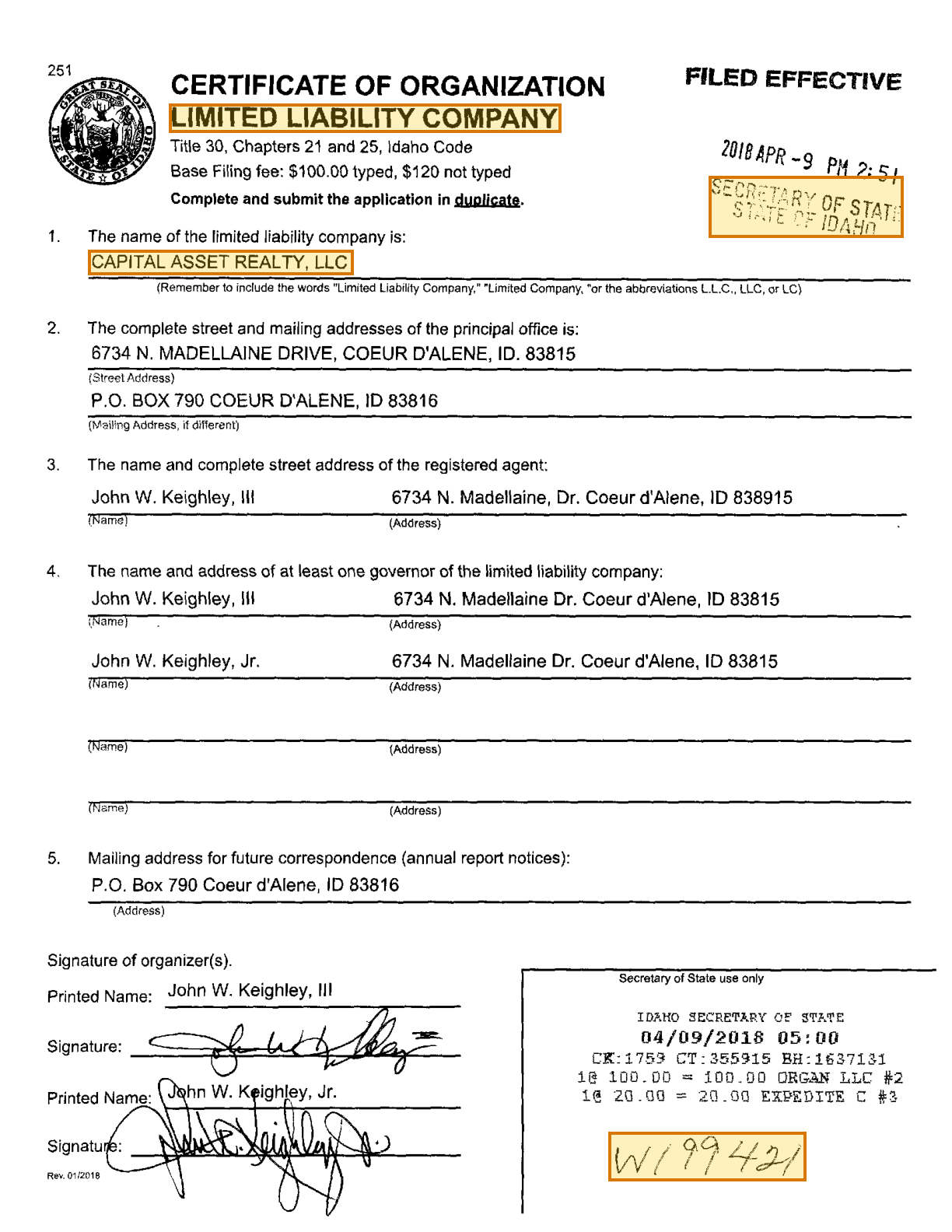
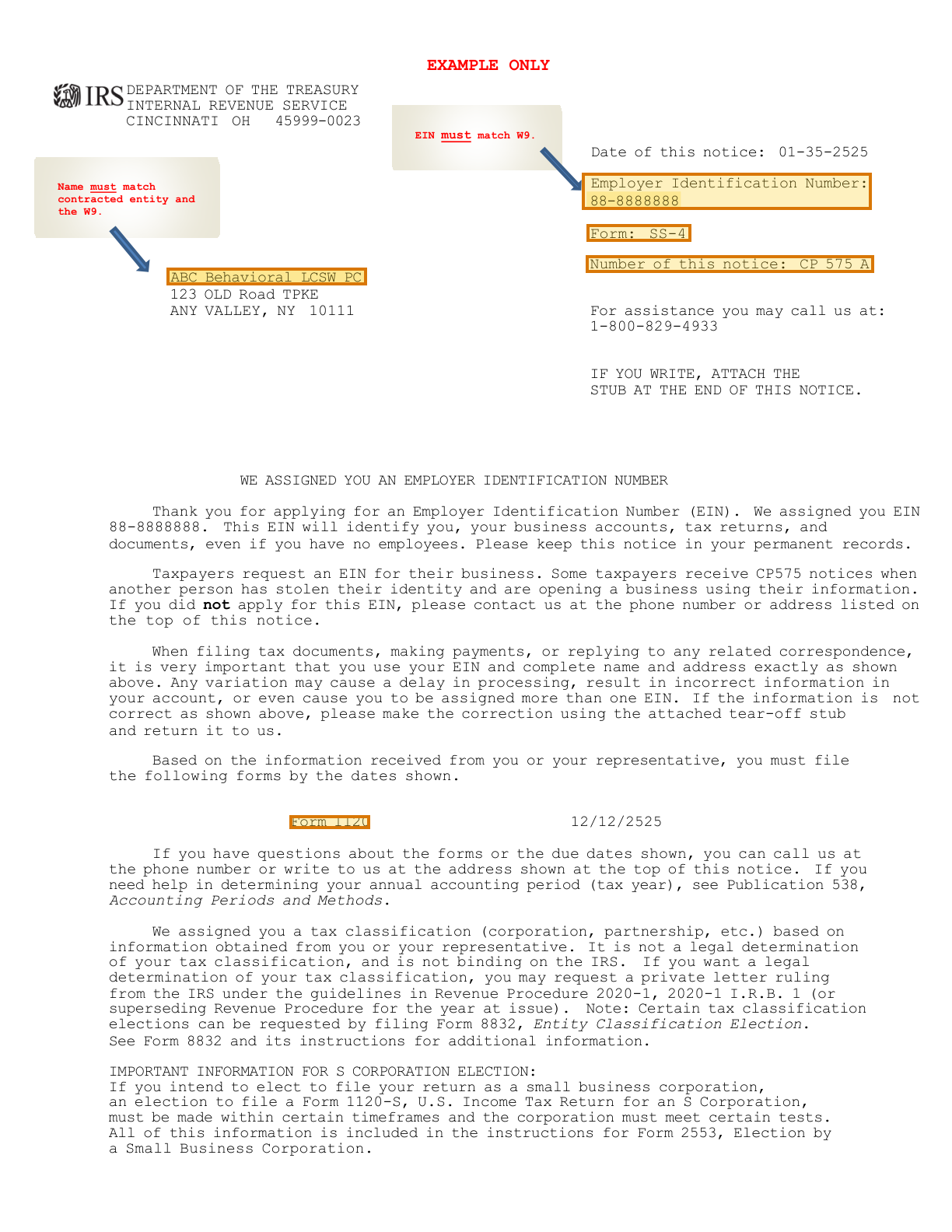
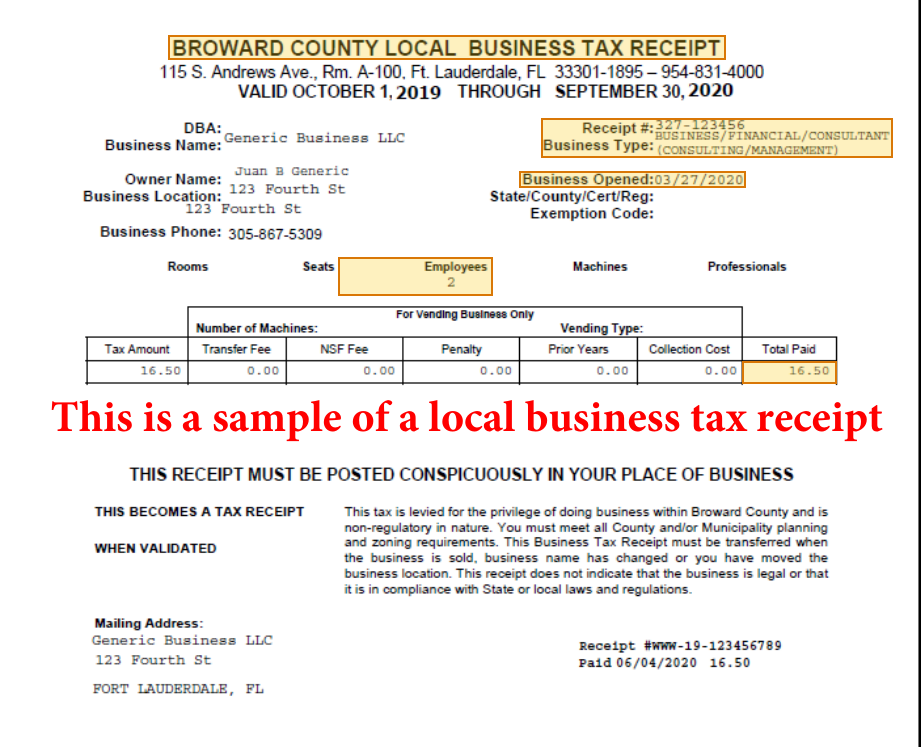
Each document below links to a worked example. The documents and schemas are available in full on GitHub and you are welcome to use them for your own testing.

Values to Extract

Key fields across the onboarding file

FieldSource documentUsed for
Individual
Surname, given names, date of birth, nationality and expiryPassportIdentity match and document validity
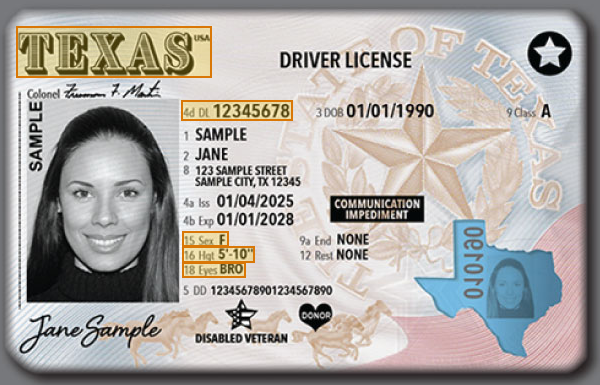
Document number, issuing state and date of birthDriver's LicenseIdentity match
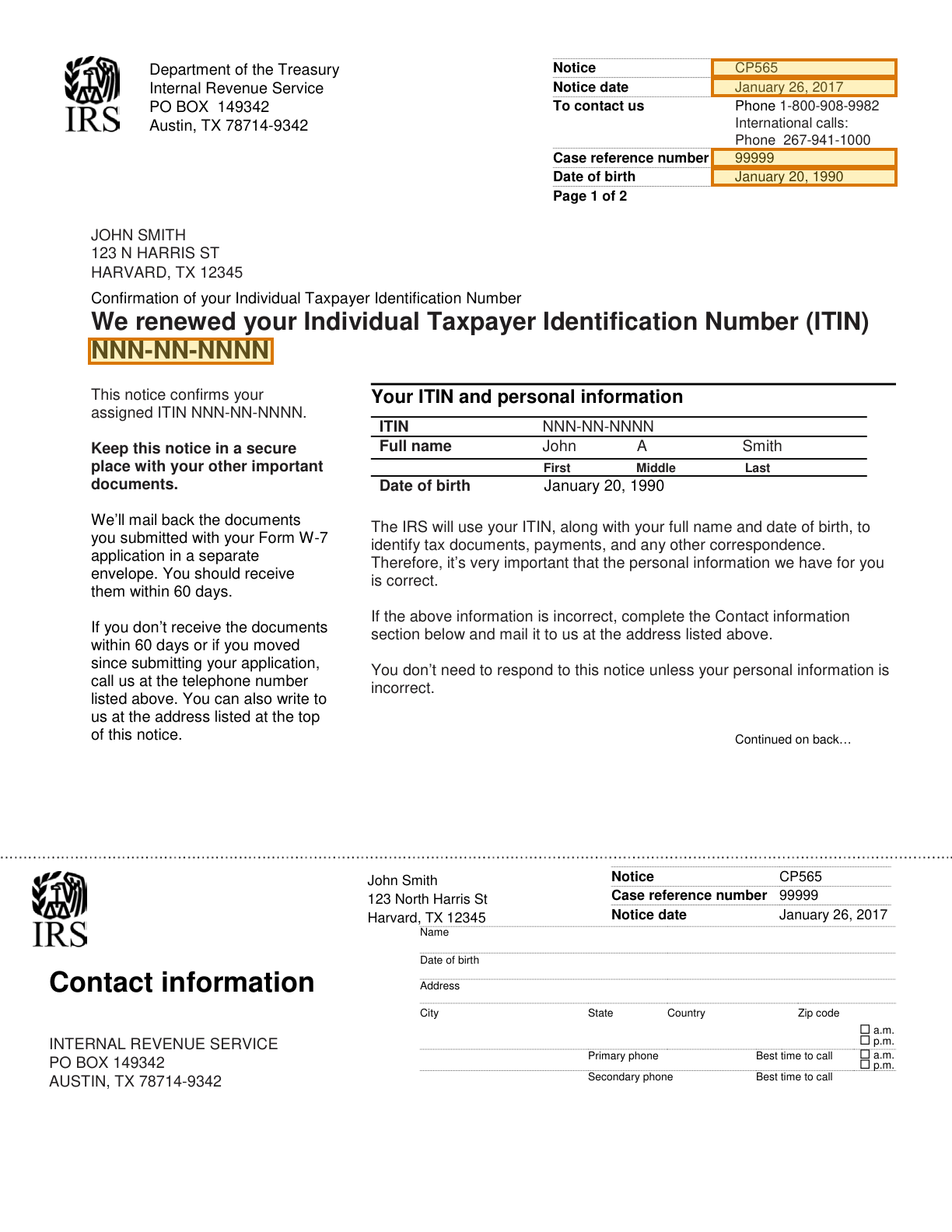
ITIN, name and date of birthITIN NoticeTaxpayer identification
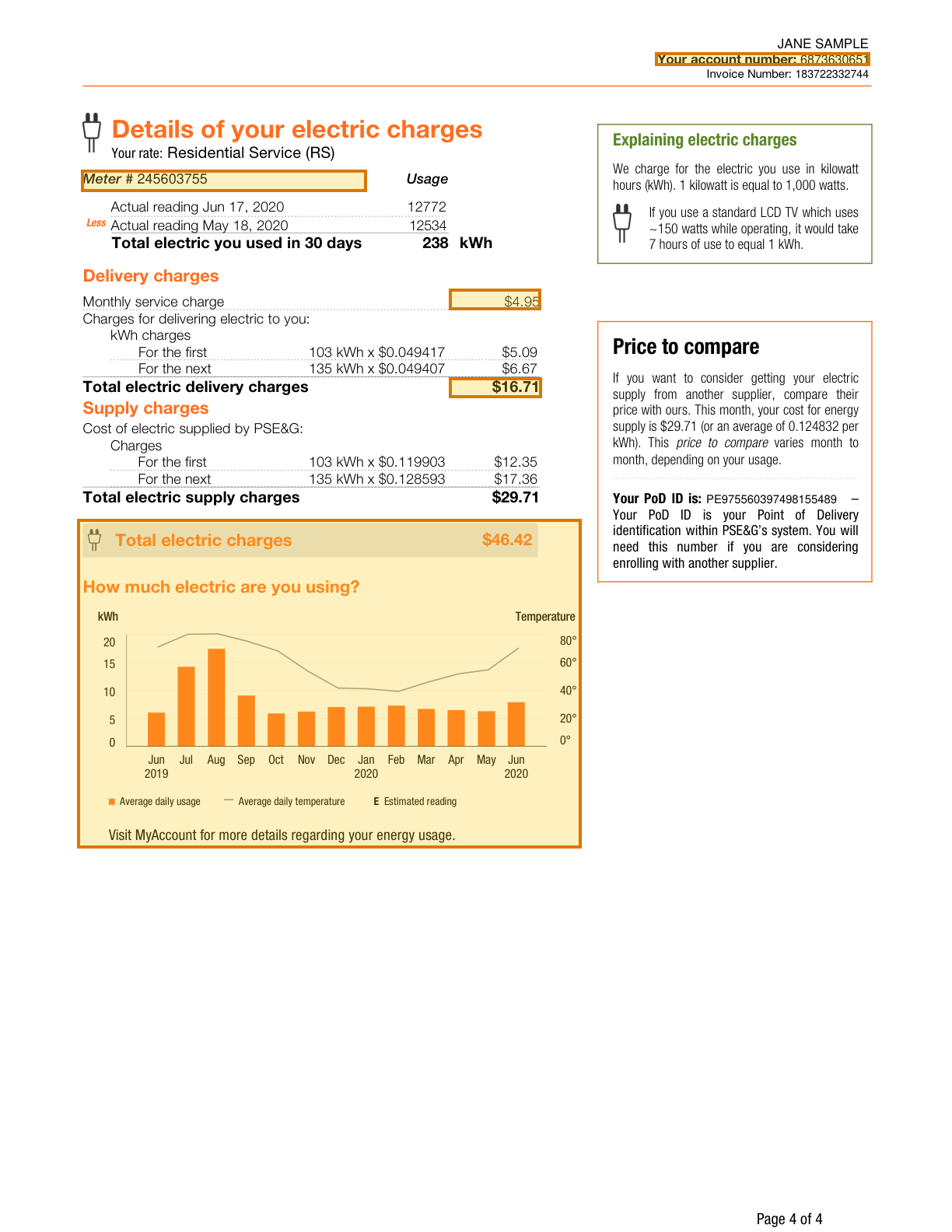
Account holder and service addressUtility BillAddress verification
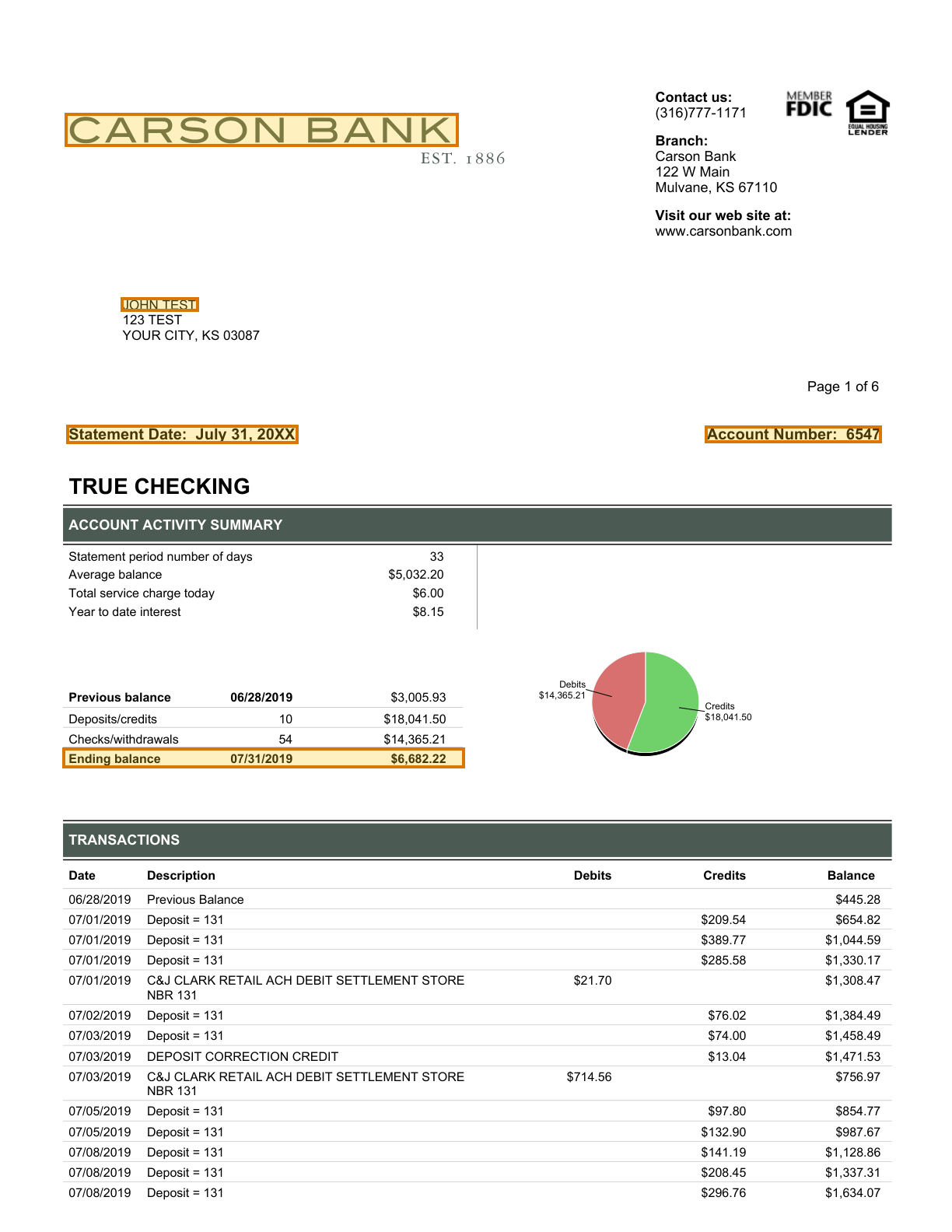
Account holder, ending balance and total depositsBank StatementSource of funds
Business
Business name, entity type, jurisdiction, filing number and registered agentBusiness RegistrationEntity existence
EIN and legal nameIRS CP 575Tax identity matches the formation document
Business name, owner and valid-through dateBusiness LicenseAuthority to operate
Partner name and profit, loss and capital percentagesSchedule K-1Beneficial owners at 25 percent or more
Principal, agent and powers grantedPower of AttorneyAuthority to act for the customer
Trust name, EIN and beneficiaryTrust Income DocumentTrust ownership and beneficiaries
Corporation name, EIN, incorporation date and total assetsForm 1120Entity profile for enhanced due diligence
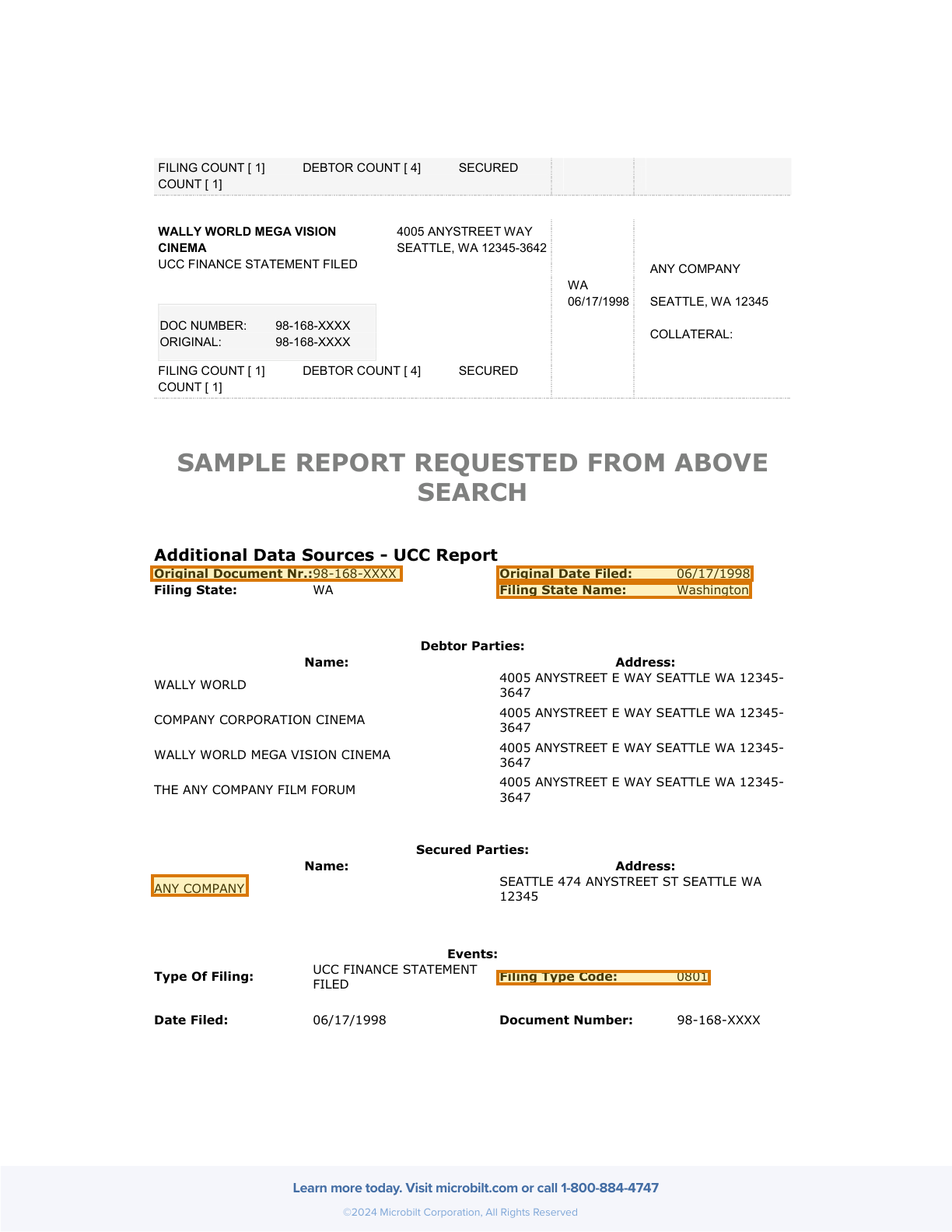
Debtor, secured party and collateralUCC Lien SearchEncumbrances for enhanced due diligence
Screening
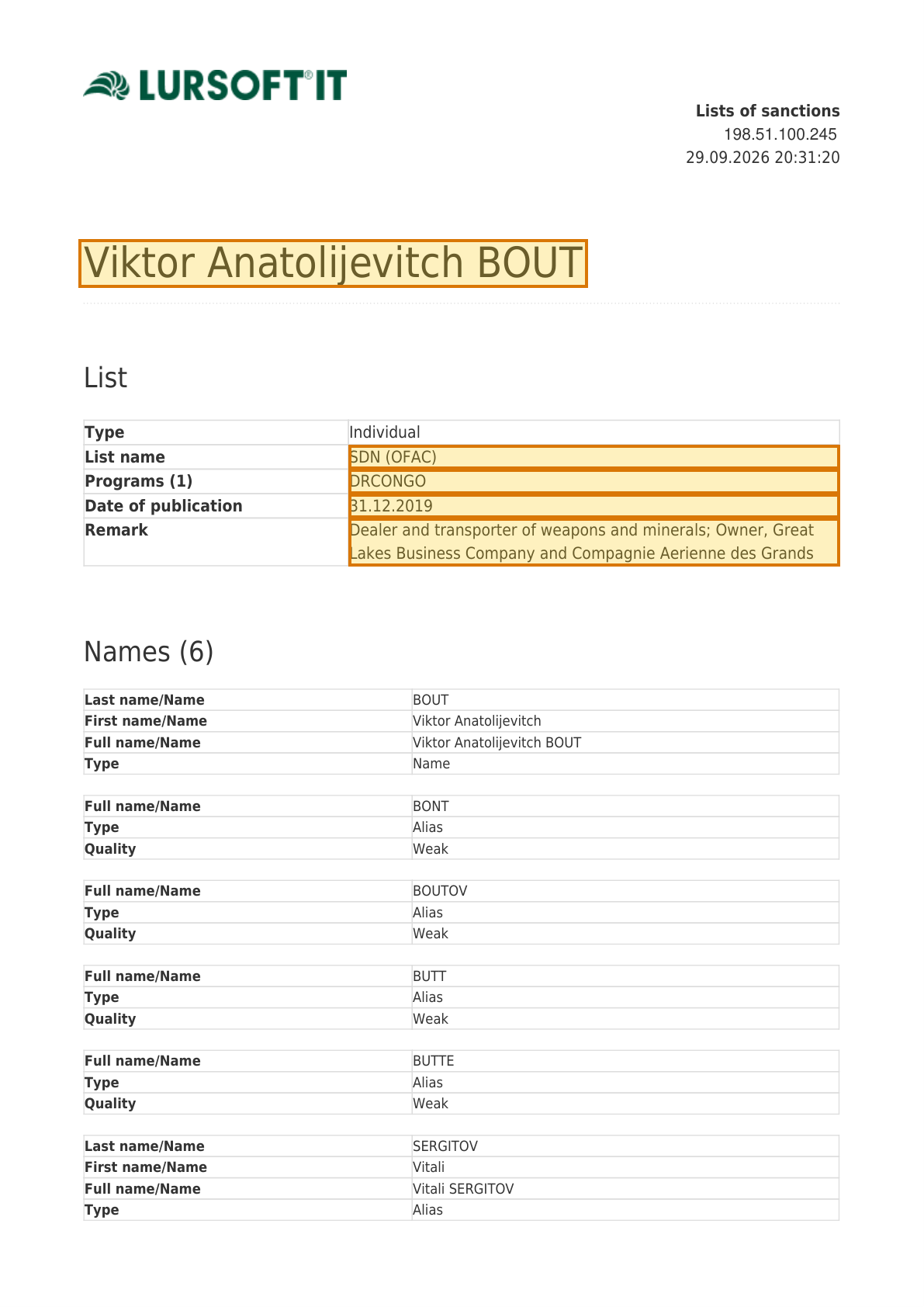
Listed name, sanctions list and programsSanctions ScreeningSanctions hit review
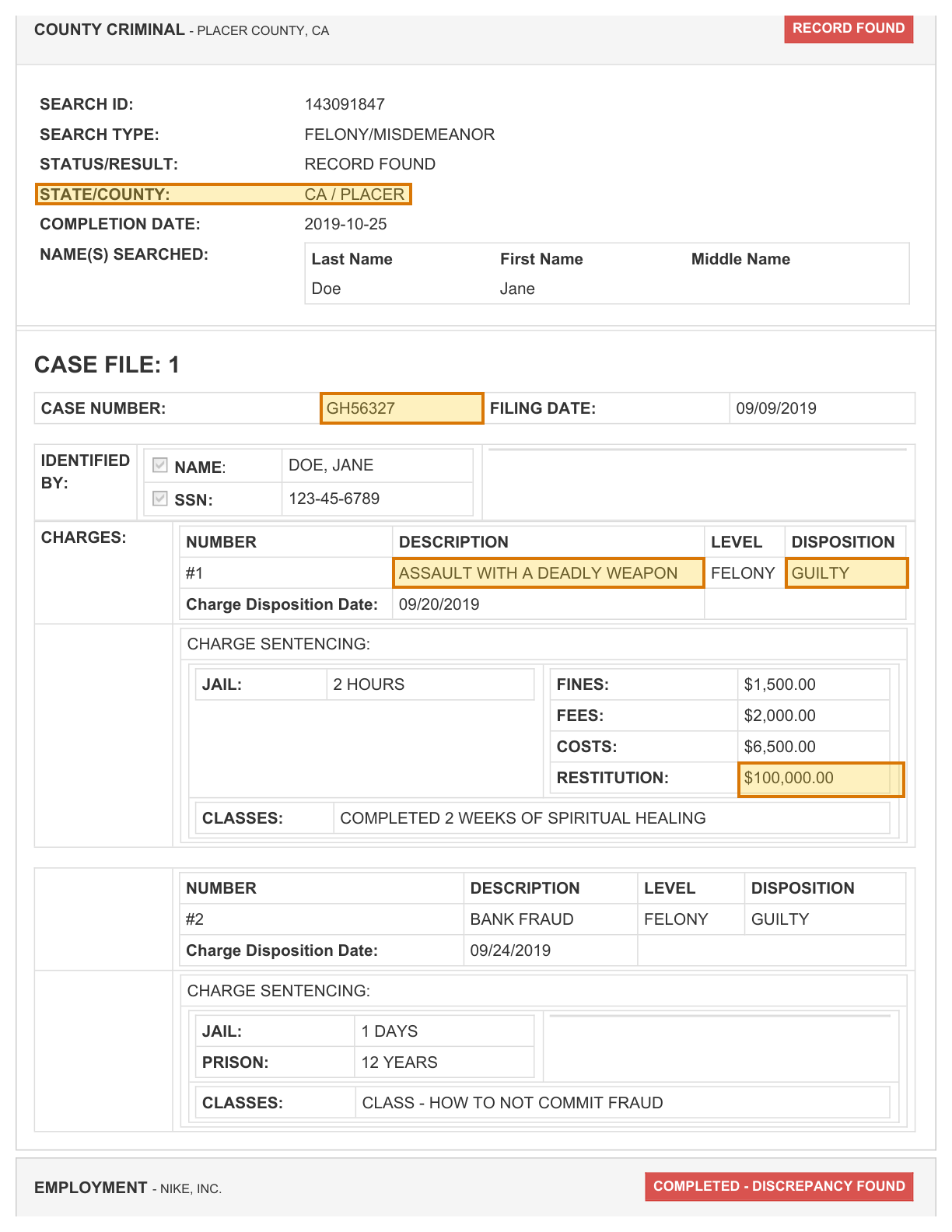
Charges and dispositionsCriminal Background CheckAdverse history review
Metrics

Business impact

KYC leaders measure onboarding in three ways: the clients it keeps, the analyst capacity it uses and the strength of the evidence behind each decision.

RevenueClients onboarded up
BeforeWith ADE

Open accounts sooner and keep the clients slow onboarding loses

Corporate clients judge a bank on how quickly they can transact. Files that clear review in days keep relationships that a weeks-long onboarding process puts at risk, and fewer applicants abandon the process midway.

70%of financial institutions lost clients to slow onboarding in the past year2

CostAnalyst hours per review down
BeforeWith ADE

Cut the analyst hours spent rereading files at every review

Periodic reviews repeat the onboarding work on a schedule set by risk. Extracting the refreshed file into the same schema turns a full reread into a check of what changed since the last review.

40–60%less manual document review time at a global tier-1 bank1
RiskUnsupported decisions down
BeforeWith ADE

Defend every KYC decision with values traced to their source

Examiners and auditors ask where each name, number and ownership percentage came from. Grounded values answer with the page and location in the customer's own documents, for every file and every review.

Customer Story

A global tier-1 bank serving corporate and ultra-high-net-worth clients reviews files that reach 200 to 300 pages per client and refresh several times a year. With Agentic Document Extraction in its client due diligence workflow, the bank cut manual document review time by 40 to 60 percent and saves hundreds of analyst hours each week.

Read the global tier-1 bank case study
“Trust is the product. Accuracy alone isn’t enough at enterprise scale—what matters is provenance, traceability, and control. LandingAI gives us confidence that every extracted value can be traced back to its source, audited, and defended. That’s what makes it deployable in regulated, real-world environments.”
Head of Data & Analytics, Global Financial Services Firm
Why LandingAI?

Documents into data

Accurate

The best accuracy on the difficult documents other tools get wrong, such as messy scans, complicated tables, checkboxes and handwriting.

Auditable

Every answer cites its sources. Values come back with an audit trail (page, bounding box, character range) so a human can review them.

Agentic

Applies multi-step reasoning, and plans before it acts. Handles documents it has never seen before and adapts to variations.

API-first

Composable APIs that drop into any tech stack and can be called from anywhere. Easy to build on and embed in your pipelines and products.

Affordable

Cost-competitive rates with complete price transparency. Spend controls before you run, and every job reports its exact cost.

Enterprise-grade

Built for production and scale from day one. Fully observable and monitored, running securely in our cloud or yours.

Built for high-volume, high-throughput production

  • Zero data retention
  • Priority rate limits
  • Enhanced support
  • VPC and on-prem deployment

Available on Team and Enterprise plans. VPC and on-prem deployment require an Enterprise plan.

Compare plans
Related

Explore related pages

FAQ

Questions, answered

Individual customers usually provide a government ID, proof of address and a tax identification number, plus source-of-funds records when the risk is higher. Business customers add formation documents, an EIN notice, licenses and ownership records, and each beneficial owner and control person provides their own identity documents.

It reads and structures what identity, address and entity documents say: names, numbers, dates, addresses and owners, each tied to its place on the page. Teams compare those values across documents and pass them to the identity verification, screening and case management tools they already run.

Ownership and control information sits across several documents. Extraction pulls partner names and ownership percentages from Schedule K-1s, managers from formation documents and agents from powers of attorney, with each value grounded to its source. Analysts then confirm who owns 25 percent or more and who controls the entity.

Yes. Parse handles files of more than 1,000 pages, including scans, tables and character-based languages, in a single pipeline. A global bank uses it on corporate client documents that reach 200 to 300 pages, in many formats and languages. Each extracted value stays linked to its source page.

At each review, the refreshed documents go through the same schema, so new values line up field by field with the values on file. Teams compare the two, changes to names, addresses, owners or licenses stand out, and every value still points to the page it came from.

Zero Data Retention (ZDR) is available on Team and Enterprise plans in the US and EU regions. With ZDR on, documents and results are not stored after processing and are not used for training. Teams processing protected health information pair ZDR with a Business Associate Agreement. LandingAI is SOC 2 Type II certified, and its security documentation is in the Trust Center at trust.landing.ai.

Yes. On the Enterprise plan, Agentic Document Extraction runs as a containerized application in your own AWS, Azure or Google Cloud environment, or on premises. Documents and results stay inside the boundary your security team controls, and the same APIs run there. The network boundary, support access and operating model are agreed during Enterprise scoping.

Start Extracting in Minutes, Not Months

Production-ready AI extraction pipeline with document understanding.

Sources

  1. Global tier-1 bank case study, LandingAI
  2. Fenergo, "Financial Crime Industry Trends 2025"