*** September 2026 Major Release ***Read and watch
Use case

Mortgage document processing, every value traced

A mortgage file runs from the loan application and income records to the appraisal, title commitment and closing package. Each value is read once and traced to its source page.

LandingAI transforms documents into highly accurate, verifiable, structured data so teams can reliably automate document-intensive workflows.

The Problem

Why mortgage files are hard to read

One PDF, many documents

Loan files arrive as stacked PDFs. A self-employed borrower's file can run past 80 pages, with pay stubs, W-2s, tax returns and bank statements interleaved.3

Income documents vary by issuer

Pay stub layouts change with every employer and payroll provider, and self-employed income spreads across a full return and its schedules. Income and appraisal issues cause more than half of GSE loan buybacks.4

One value, many documents

The loan amount, property value and borrower address appear on the application, appraisal, purchase agreement, title commitment and Closing Disclosure. Every copy has to agree before the loan closes.

One Pipeline

The same pipeline for every document

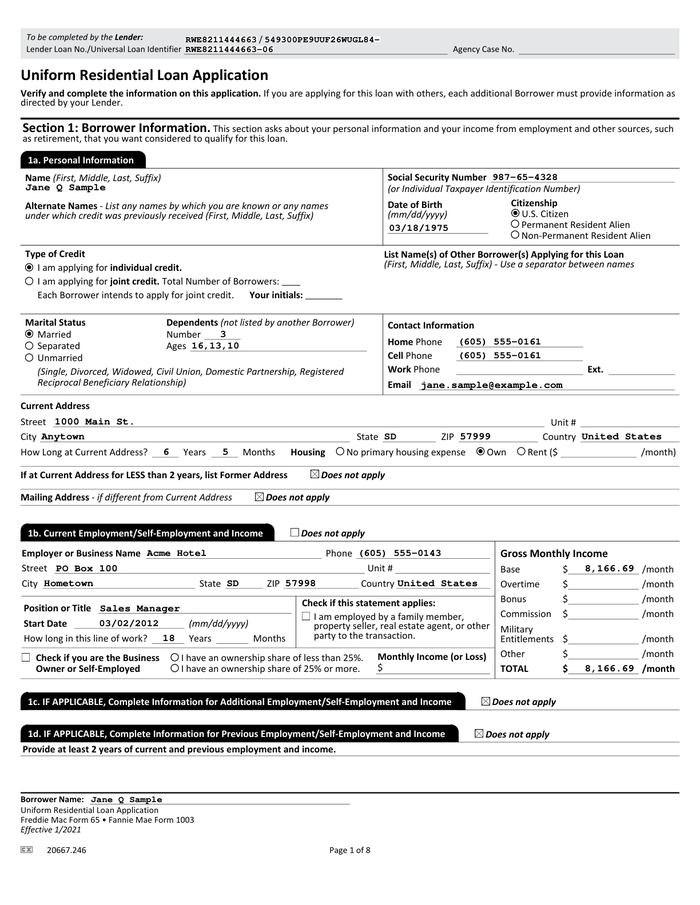
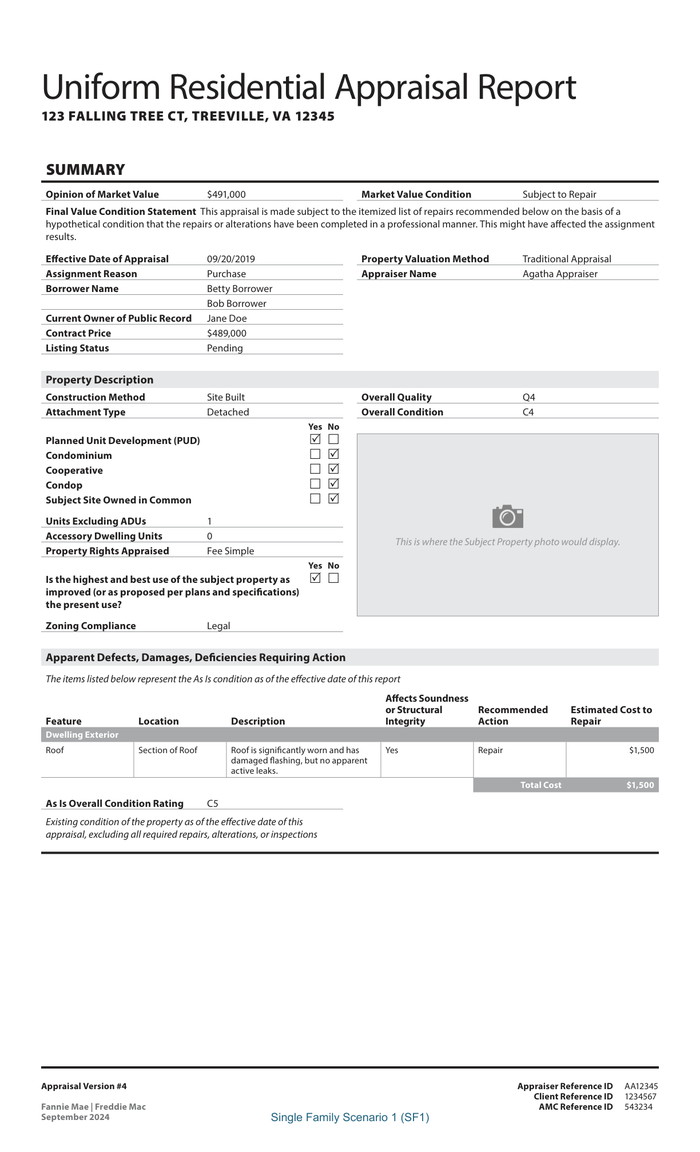
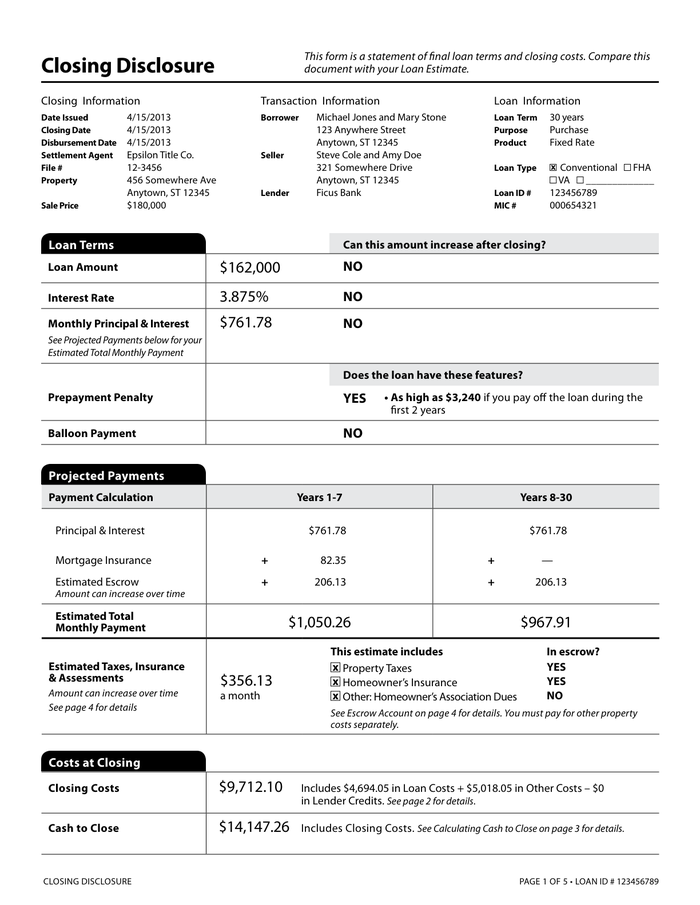
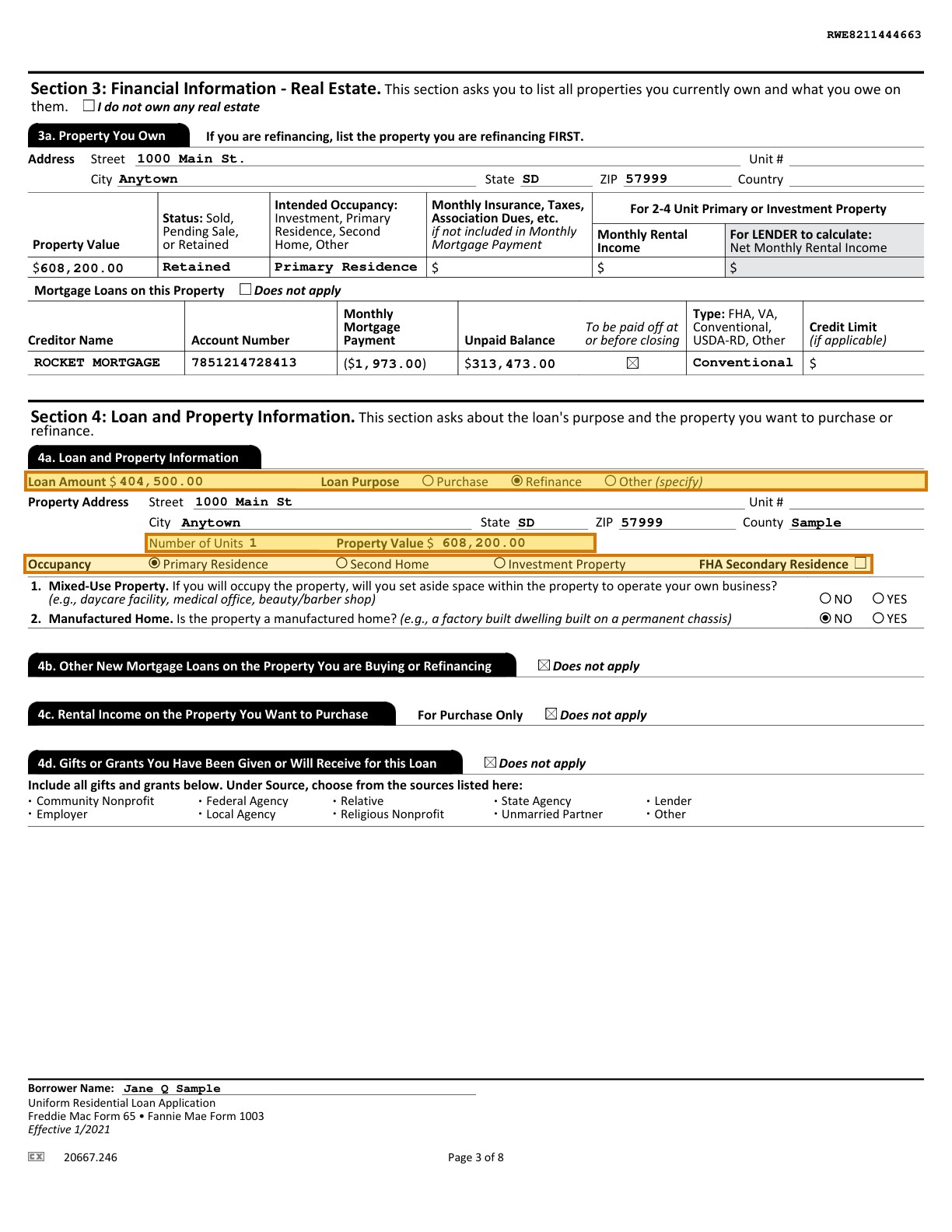
The same Parse call reads a uniform residential loan application, an appraisal report and a Closing Disclosure. Every document type uses one set of APIs, with zero templates to build and zero models to train or fine-tune.

  • No templates or training

    A new form, issuer or document type works on its first call, with nothing to configure.

  • Layout changes keep working

    If an issuer redesigns a form or a new version arrives, no pipeline changes are needed.

  • Test a new document in minutes

    Upload a sample in the Playground; agentic reasoning will immediately understand it.

Common pipelines

When documents arrive individually

Classify, then parse and extract each document into a databaseClassifyParseExtractDatabase

When documents arrive as a packet

Parse the packet, split it into documents, and extract each into its own databaseParseSplitExtractDatabaseExtractDatabaseExtractDatabase
How It Works

How it works for mortgage files

  1. 1

    Parse the loan package

    Parse reads the whole stacked PDF into structured Markdown and keeps dense tables intact, from the appraisal grid to the Closing Disclosure cost sections.

    Parse API →
  2. 2

    Split it into documents

    Split takes the Parse output and separates the file into its pay stubs, returns, statements and disclosures, with the page range of each.

    Split API →
  3. 3

    Extract the fields underwriting needs

    Extract returns the fields in your schema as JSON for each document. Build Extract Schema drafts a starting schema from a sample.

    Extract API →
  4. 4

    Ground every value

    Ground maps each extracted value to the block, page and bounding box it came from, so a reviewer checks a flagged figure on the original page.

    Ground docs →
Specific Documents Involved

The mortgage loan file

Trusted, high-volume processing of the documents involved in mortgage lending requires handling diverse document types and layouts. A pay stub is very different from an appraisal report, which is different from a Closing Disclosure. The pipeline must provide high accuracy and consistent outputs across all of them.

Our agentic approach is able to reason over each document type and return structured hierarchical Markdown and JSON outputs that downstream systems can rely on.

Worked examples

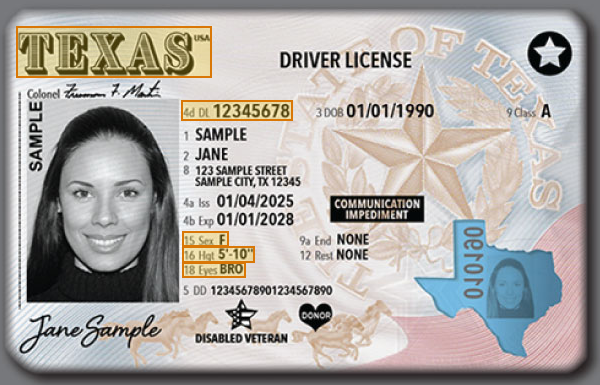
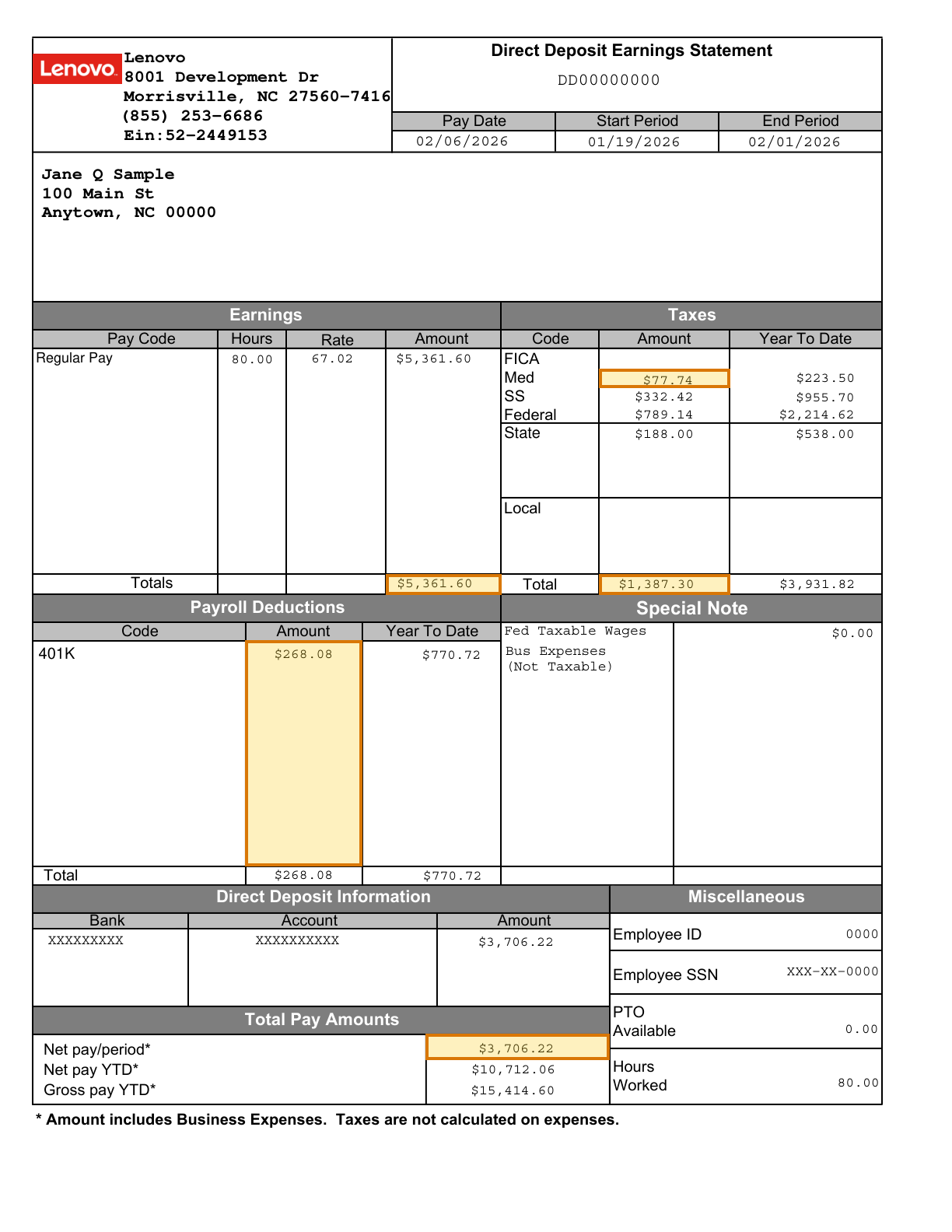
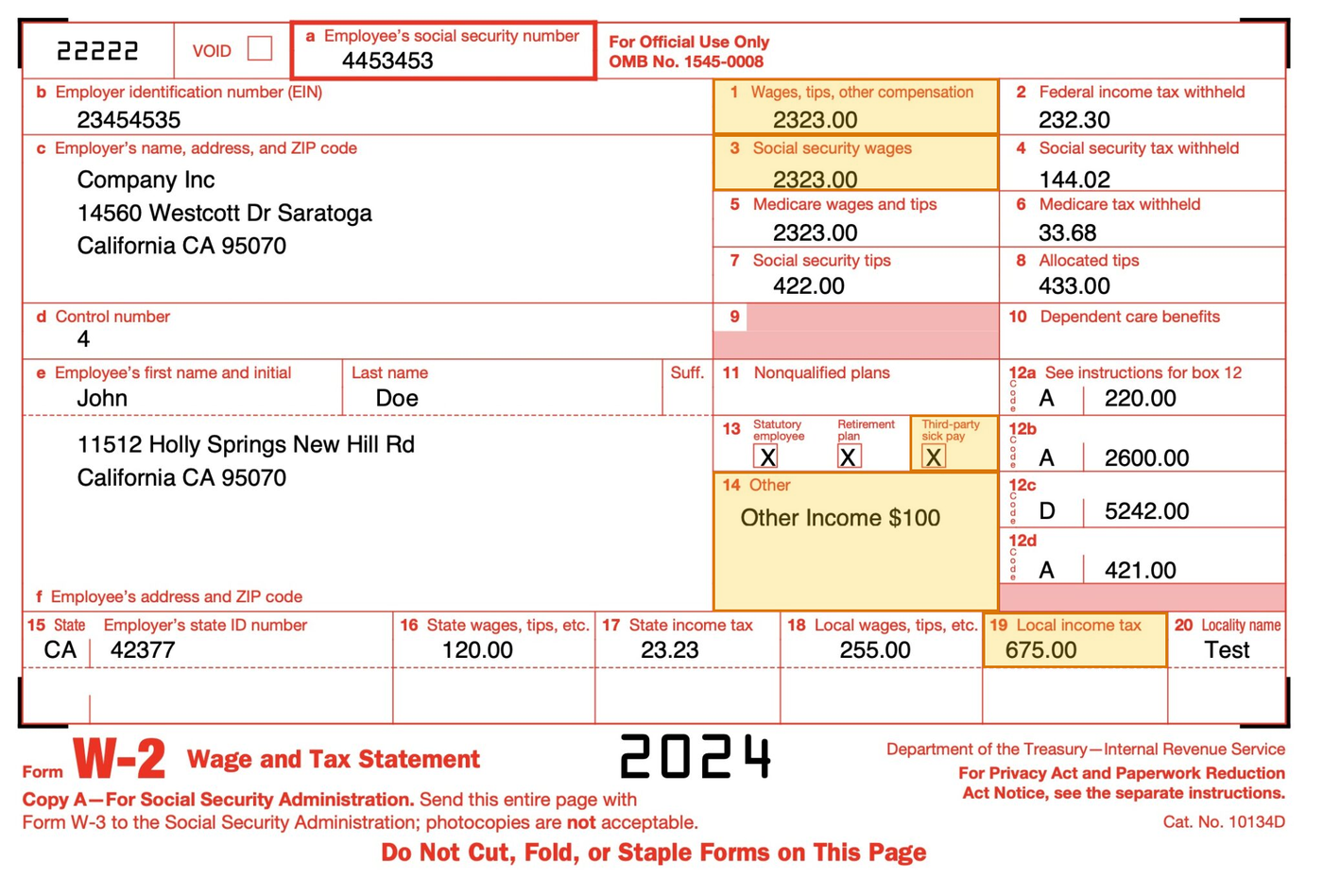
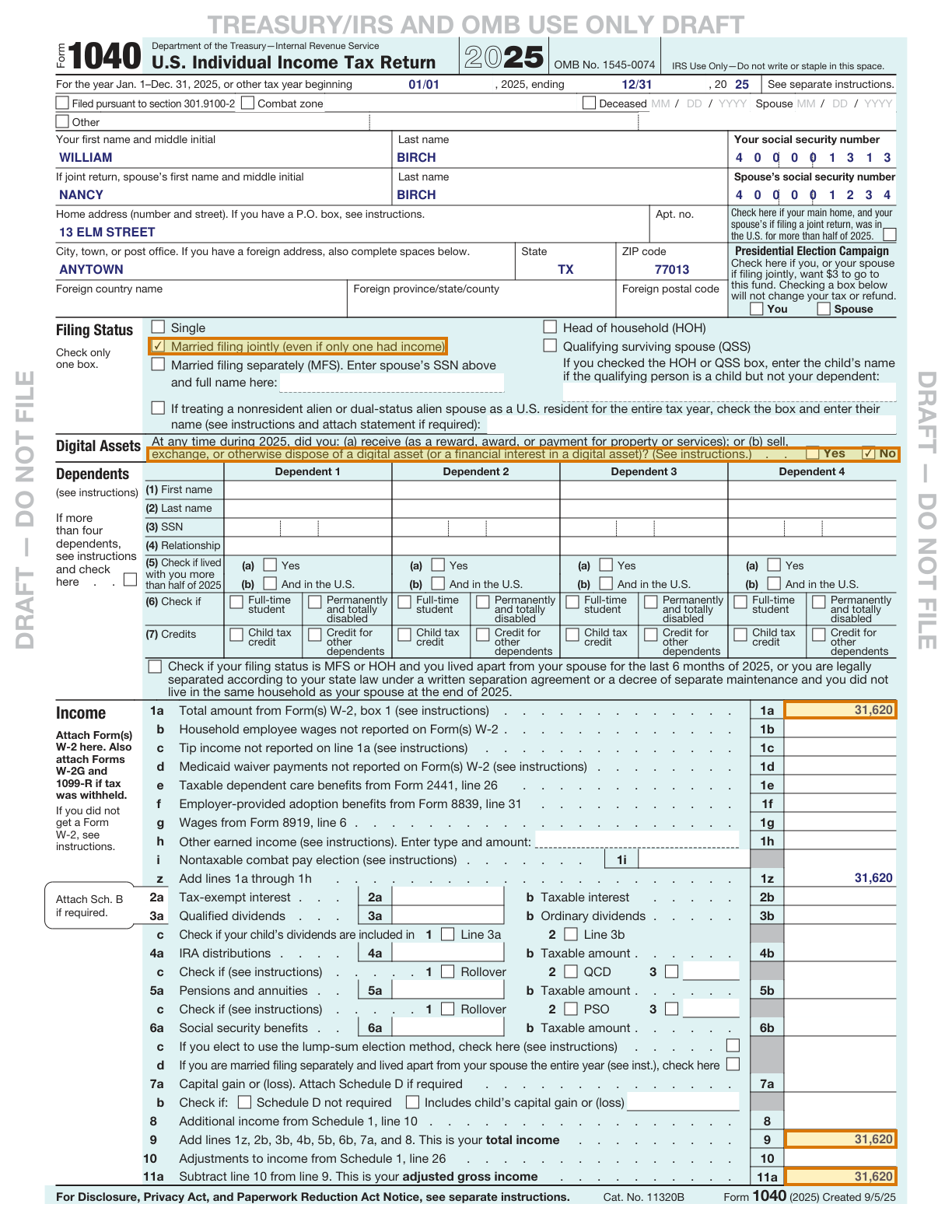
Each document below links to a worked example. The documents and schemas are available in full on GitHub and you are welcome to use them for your own testing.

Values to Extract

Key fields across the loan file

FieldSource documentUsed for
Loan amount, loan purpose and occupancyUniform Residential Loan ApplicationProgram eligibility and pricing
Gross pay and year-to-date gross payPay StubQualifying income
Wages, tips and other compensationW-2 FormIncome history and trend
Adjusted gross incomeForm 1040Income consistency across years
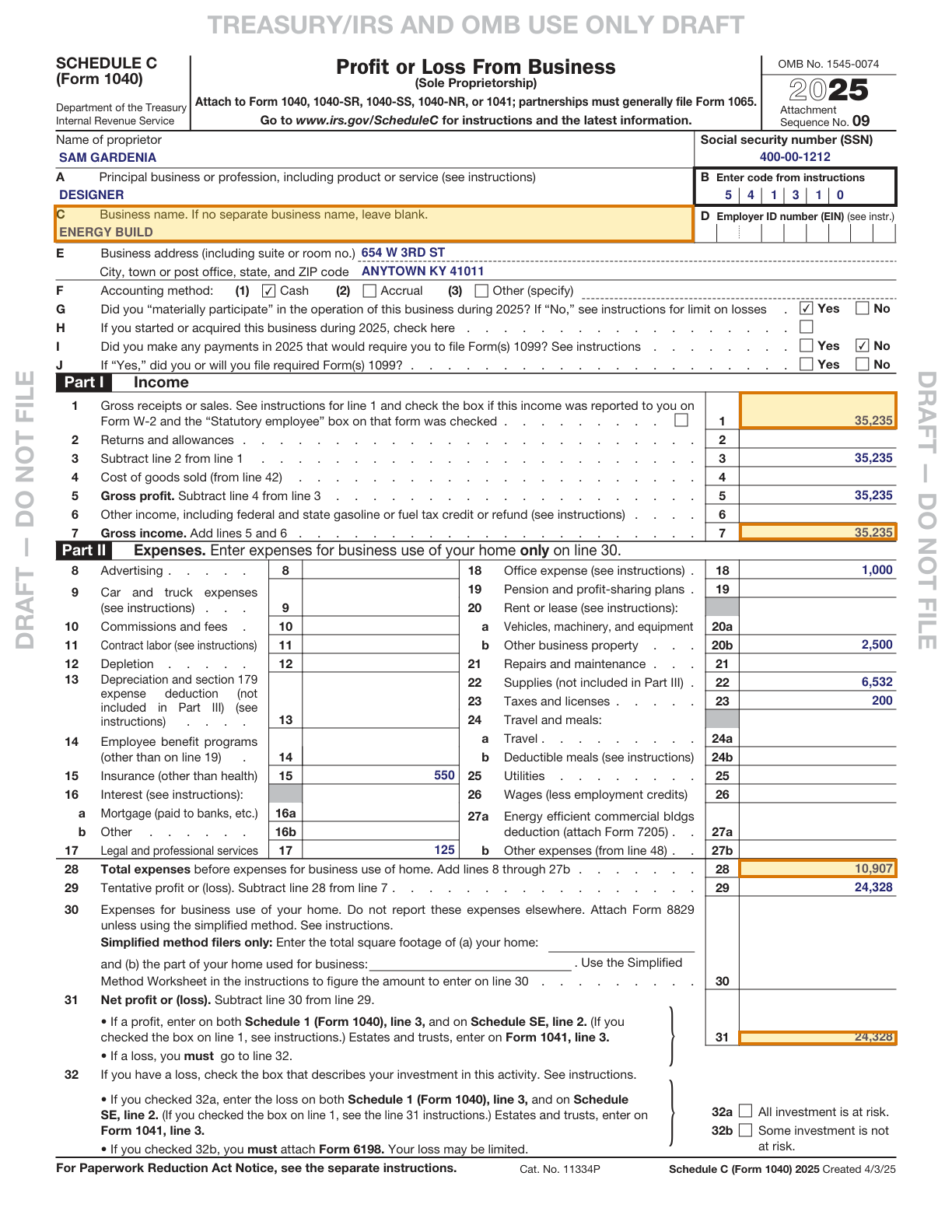
Net profit or lossSchedule CSelf-employed qualifying income
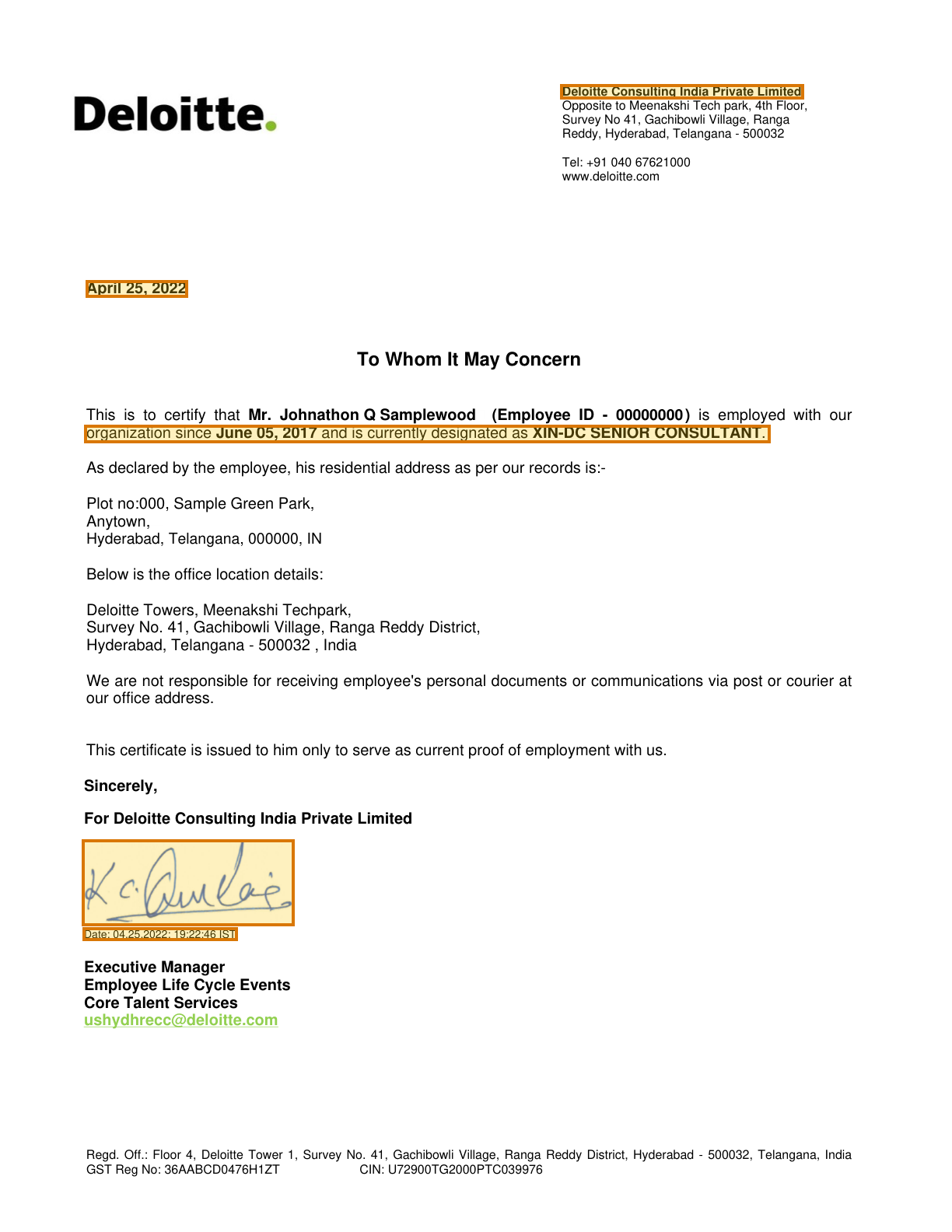
Employer, start date and positionEmployment Verification LetterEmployment stability
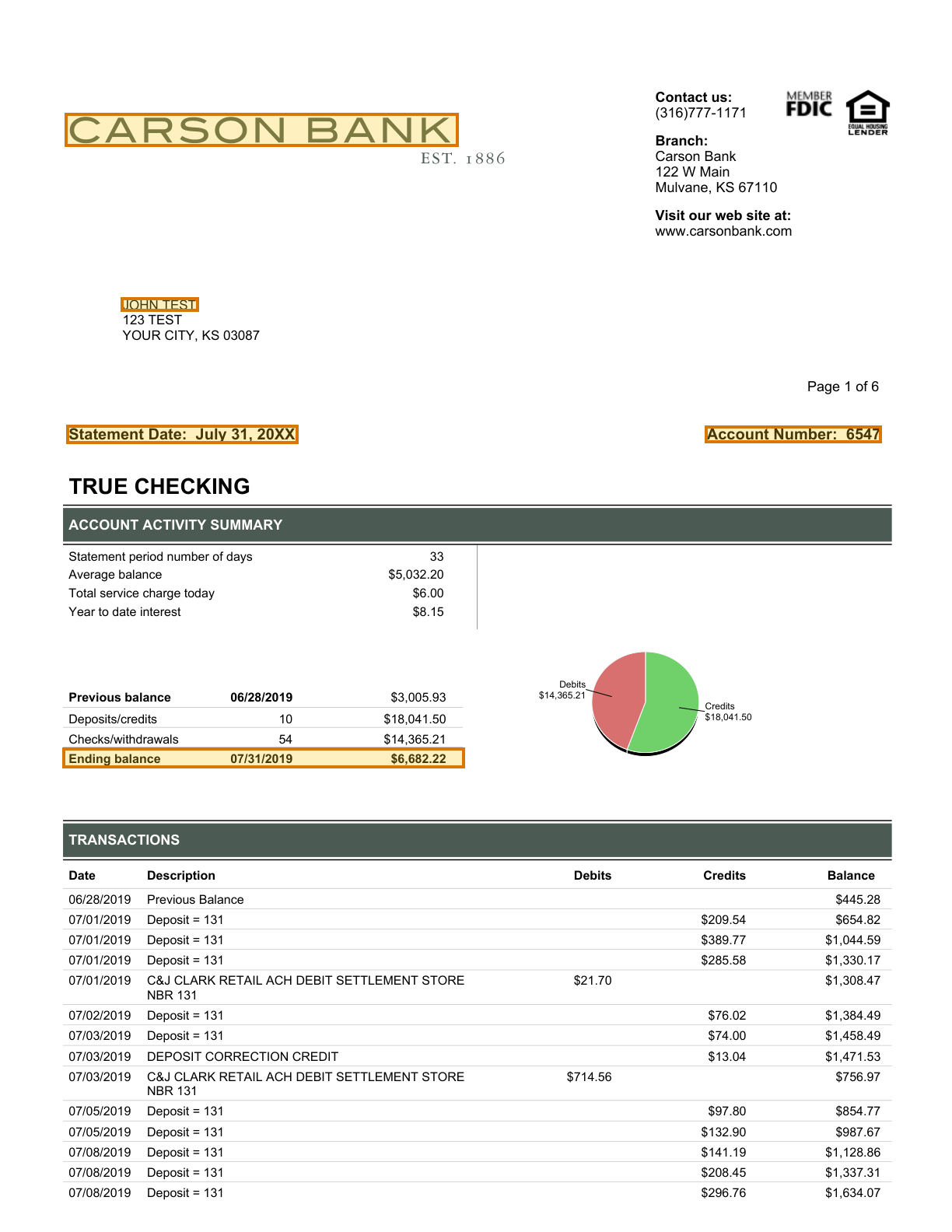
Ending balance and total depositsBank StatementFunds to close, reserves and deposit sourcing
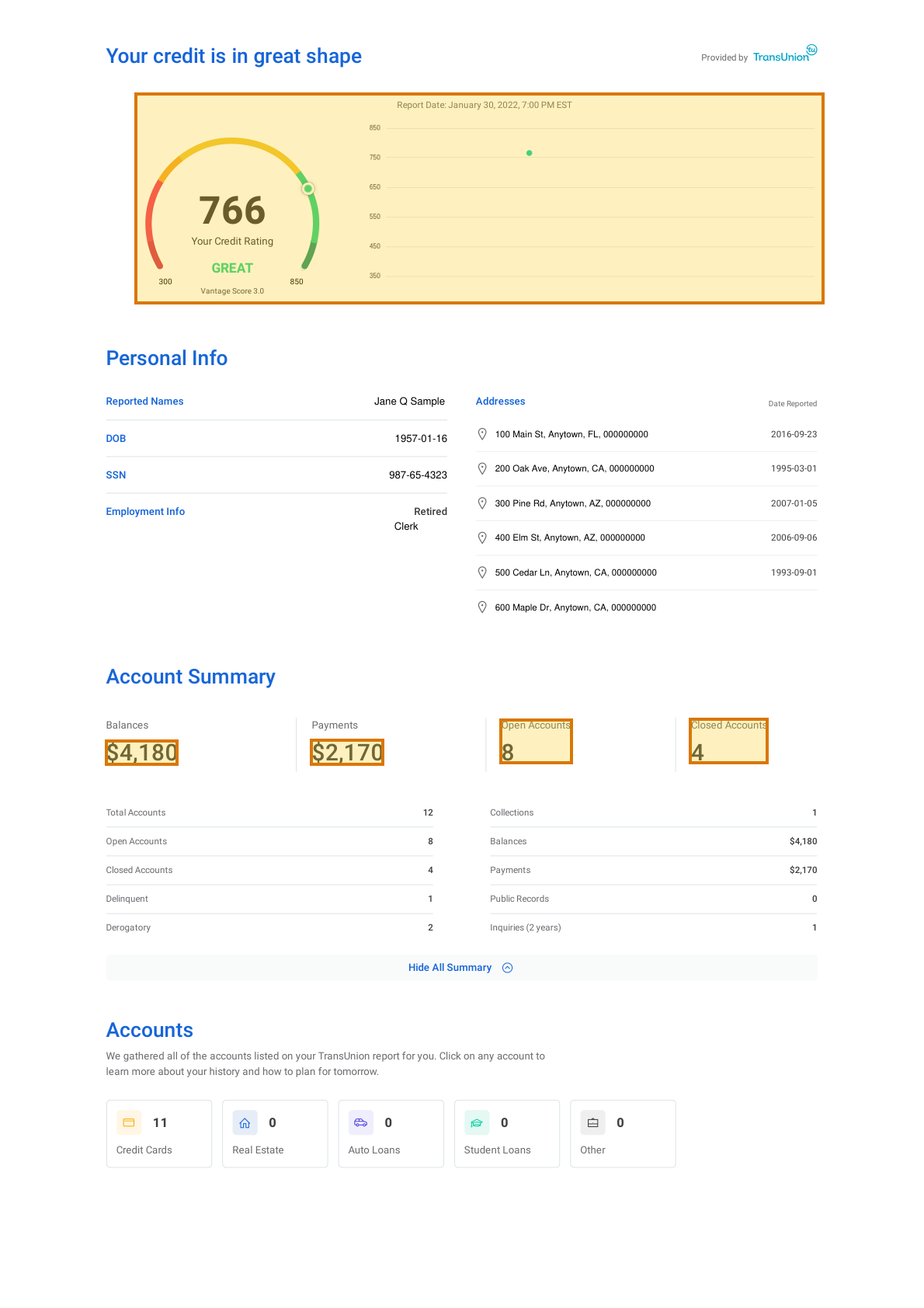
Credit score and total monthly paymentsCredit ReportEligibility and debt-to-income ratio
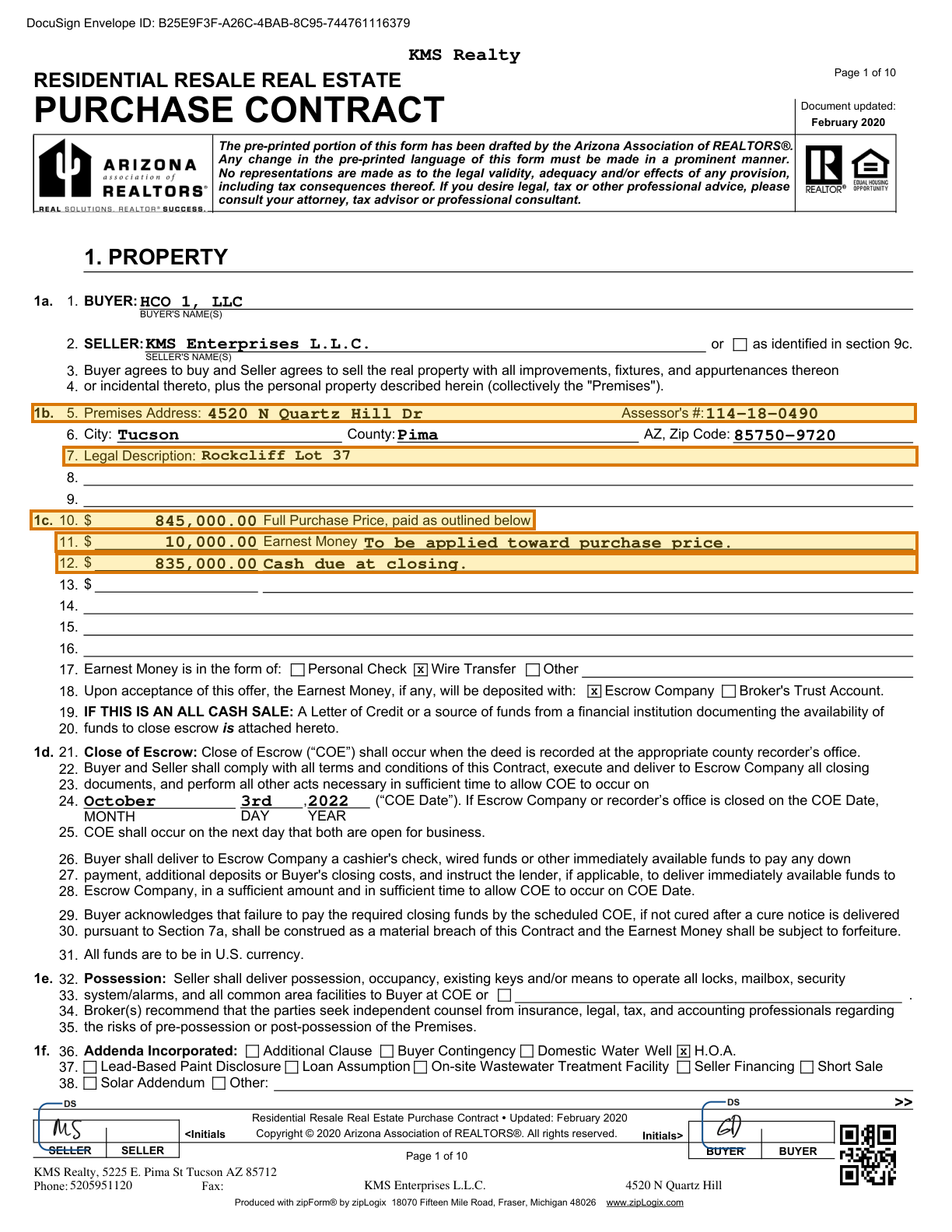
Purchase price and close of escrow datePurchase and Sale AgreementLoan-to-value basis and closing timeline
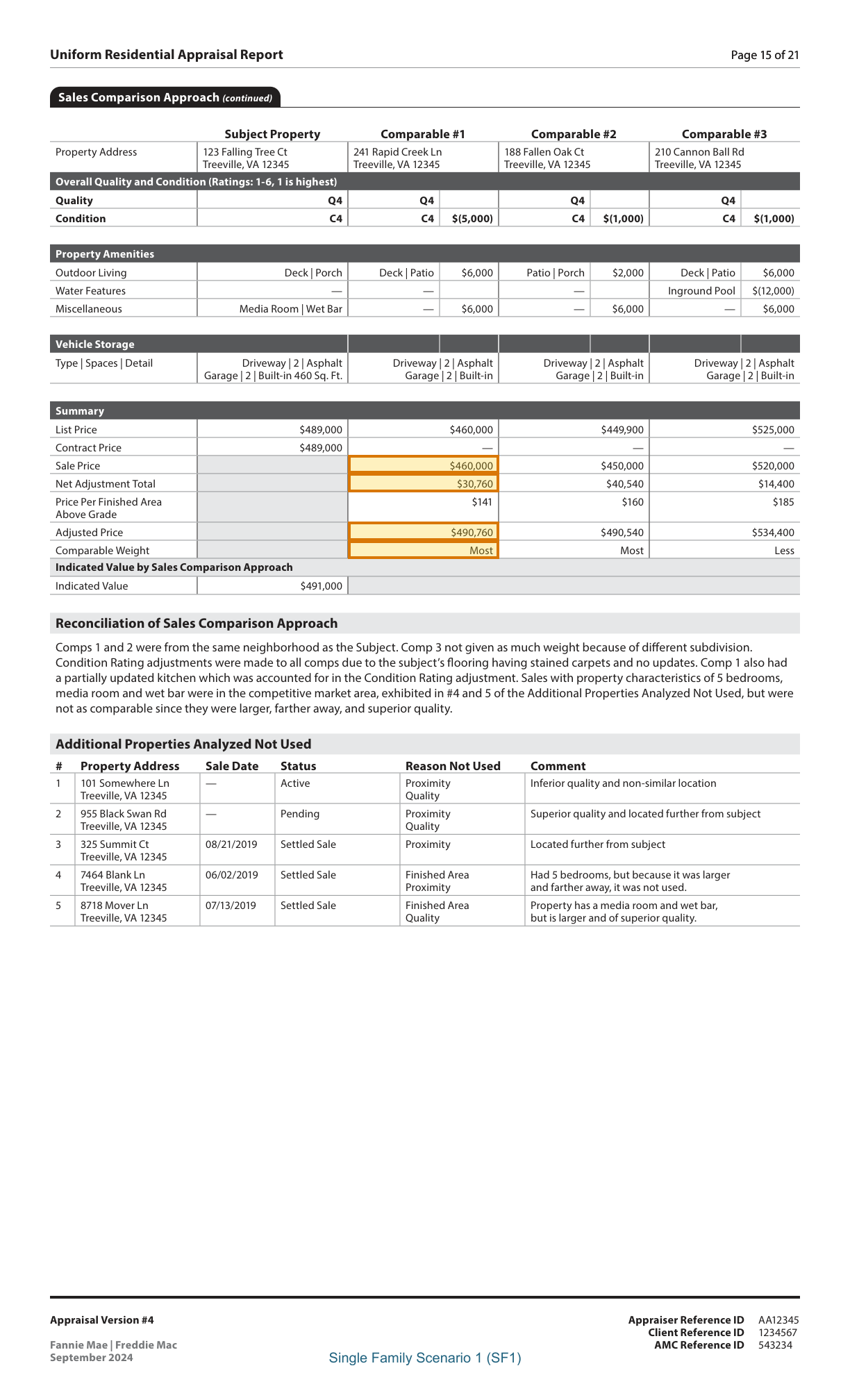
Opinion of market valueAppraisal ReportLoan-to-value ratio
Overall condition and quality ratingsAppraisal ReportCollateral eligibility and repair conditions
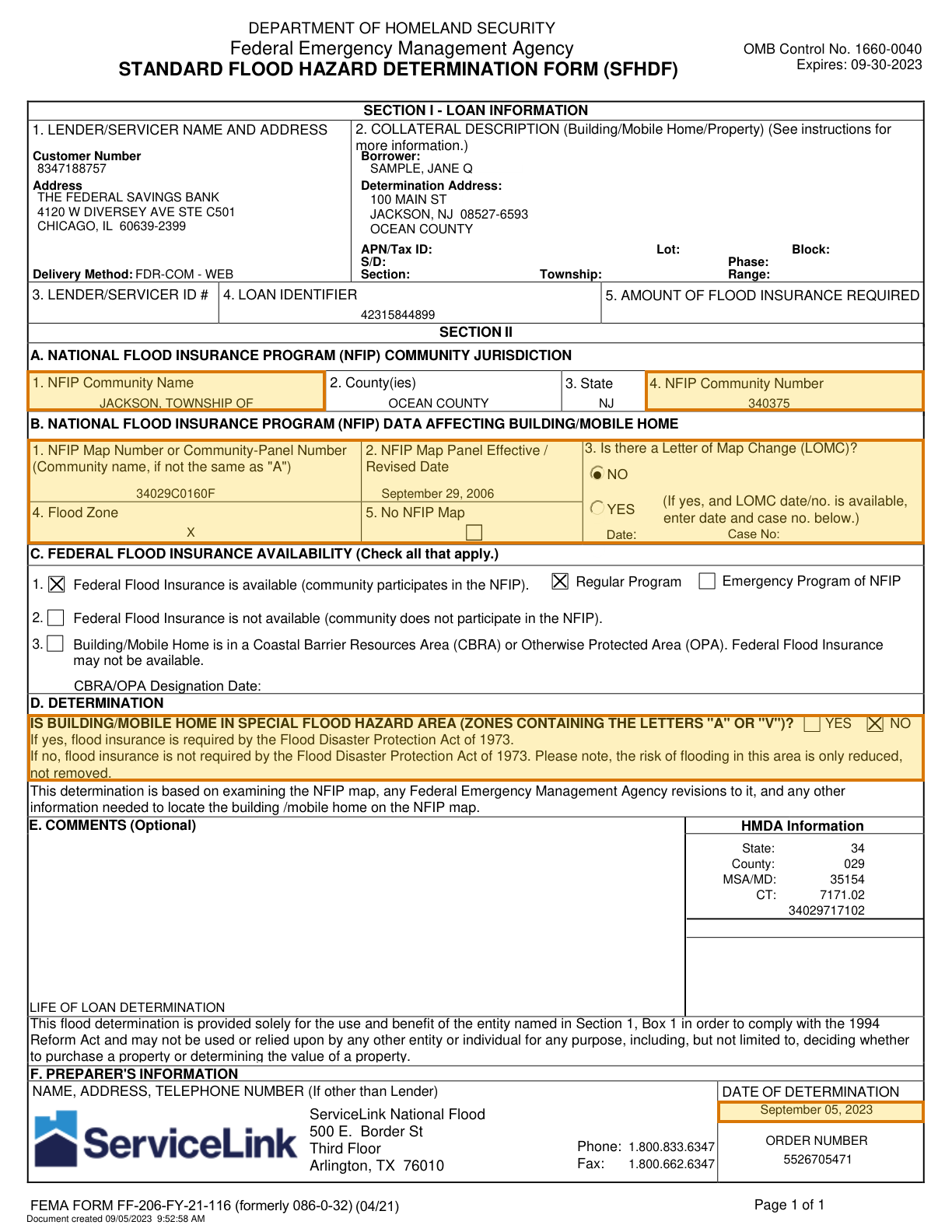
Flood zone and special flood hazard areaFlood CertificationFlood insurance requirement
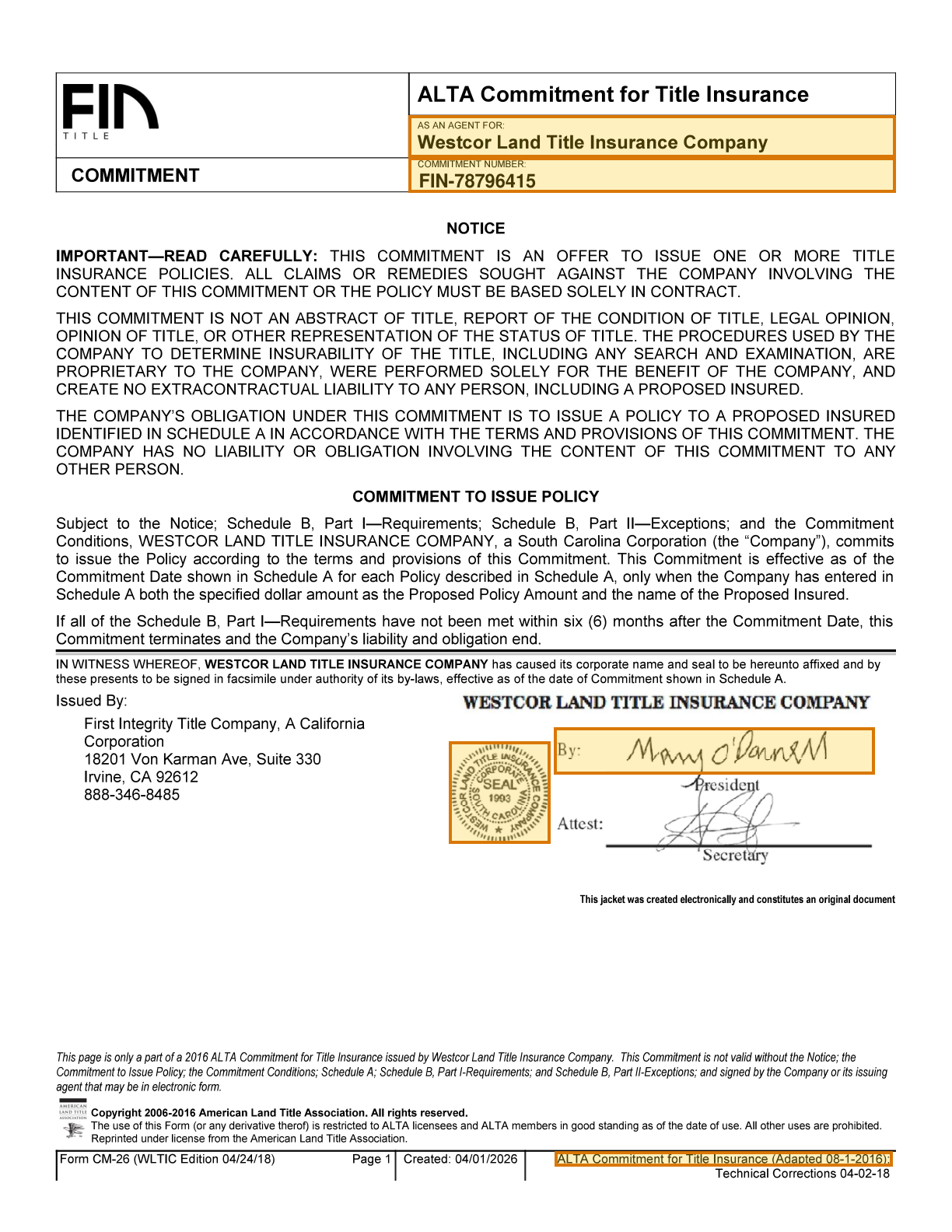
Vested owners, requirements and exceptionsCommitment for Title InsuranceClear title and closing conditions
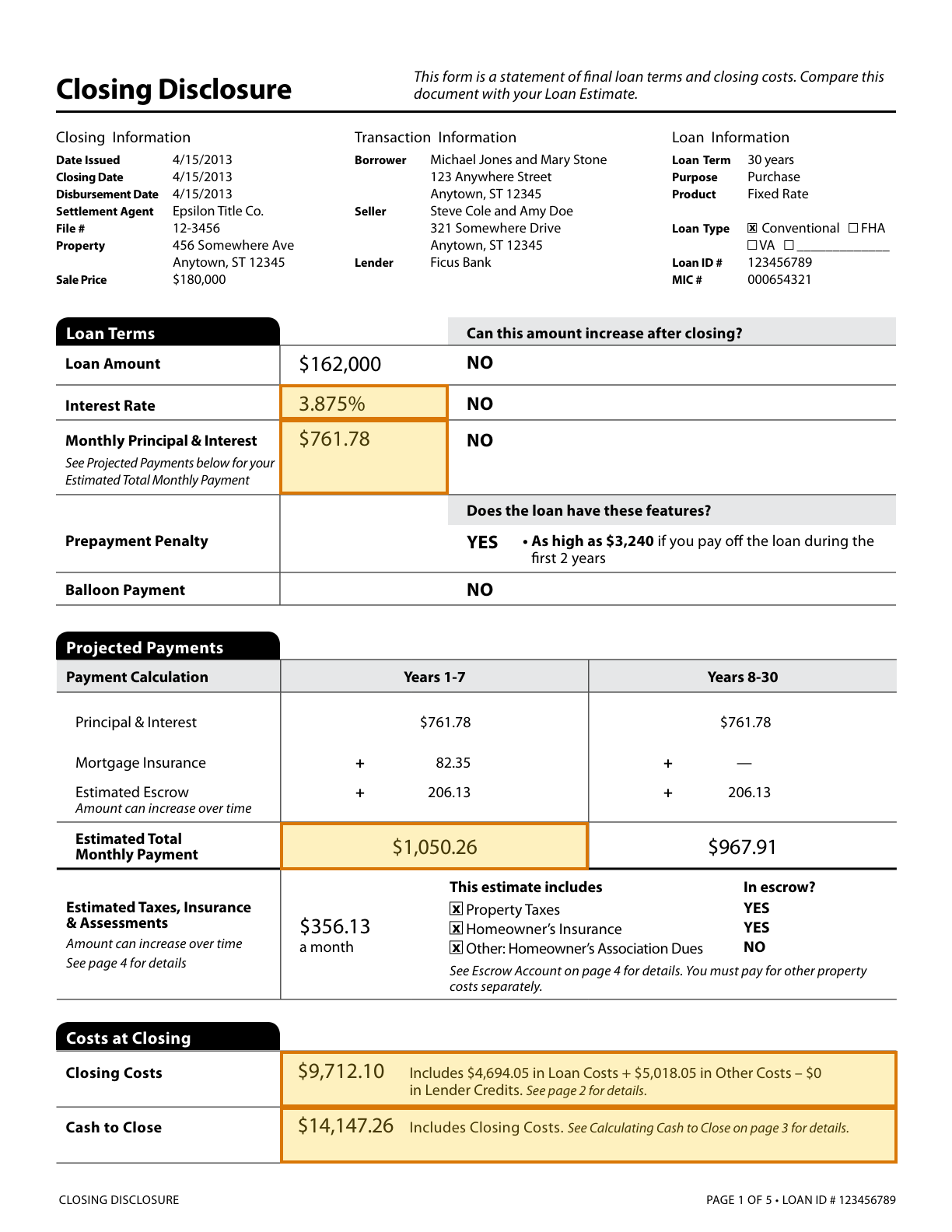
Interest rate and cash to closeClosing DisclosureFinal terms checked against the approved loan
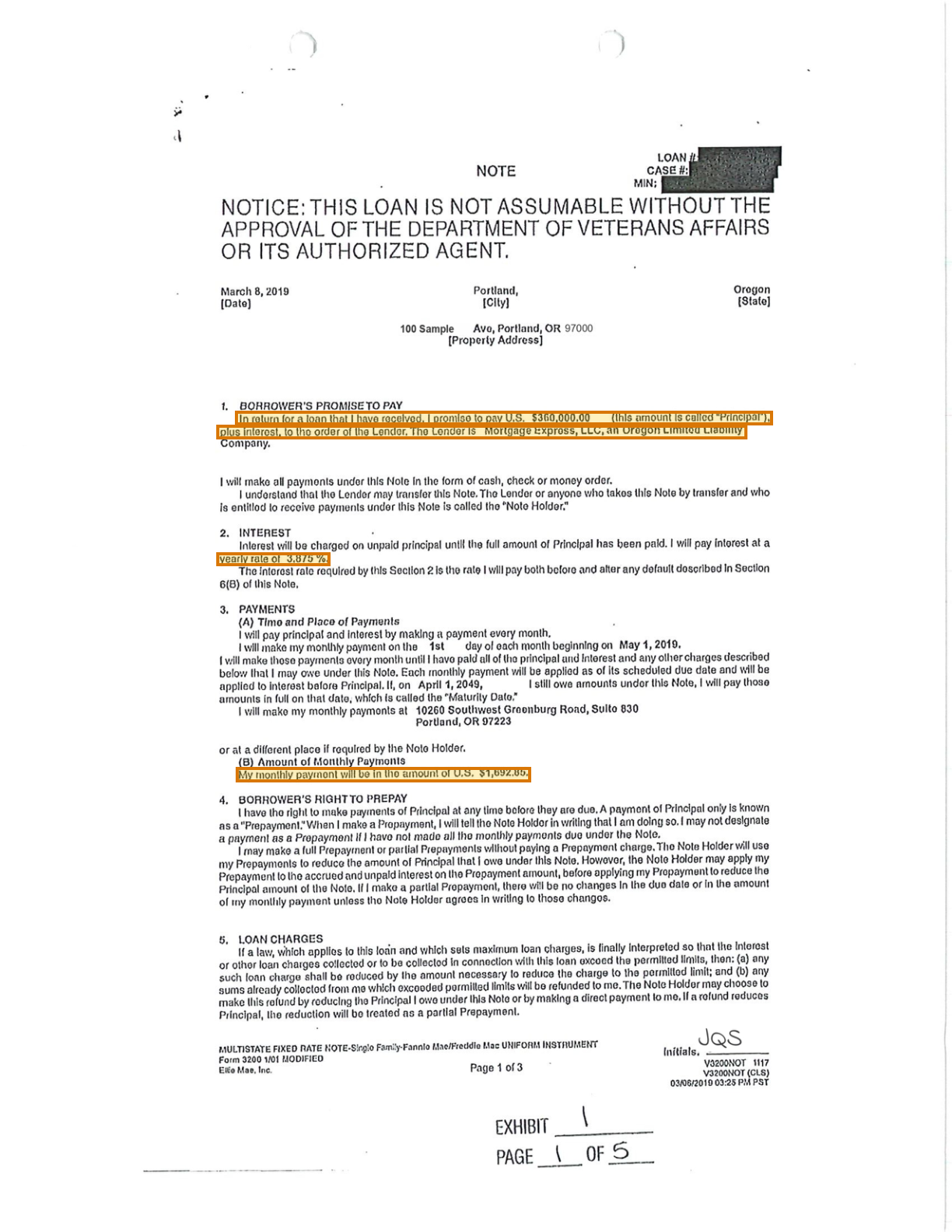
Principal amount, interest rate and maturity datePromissory NoteNote terms match the Closing Disclosure
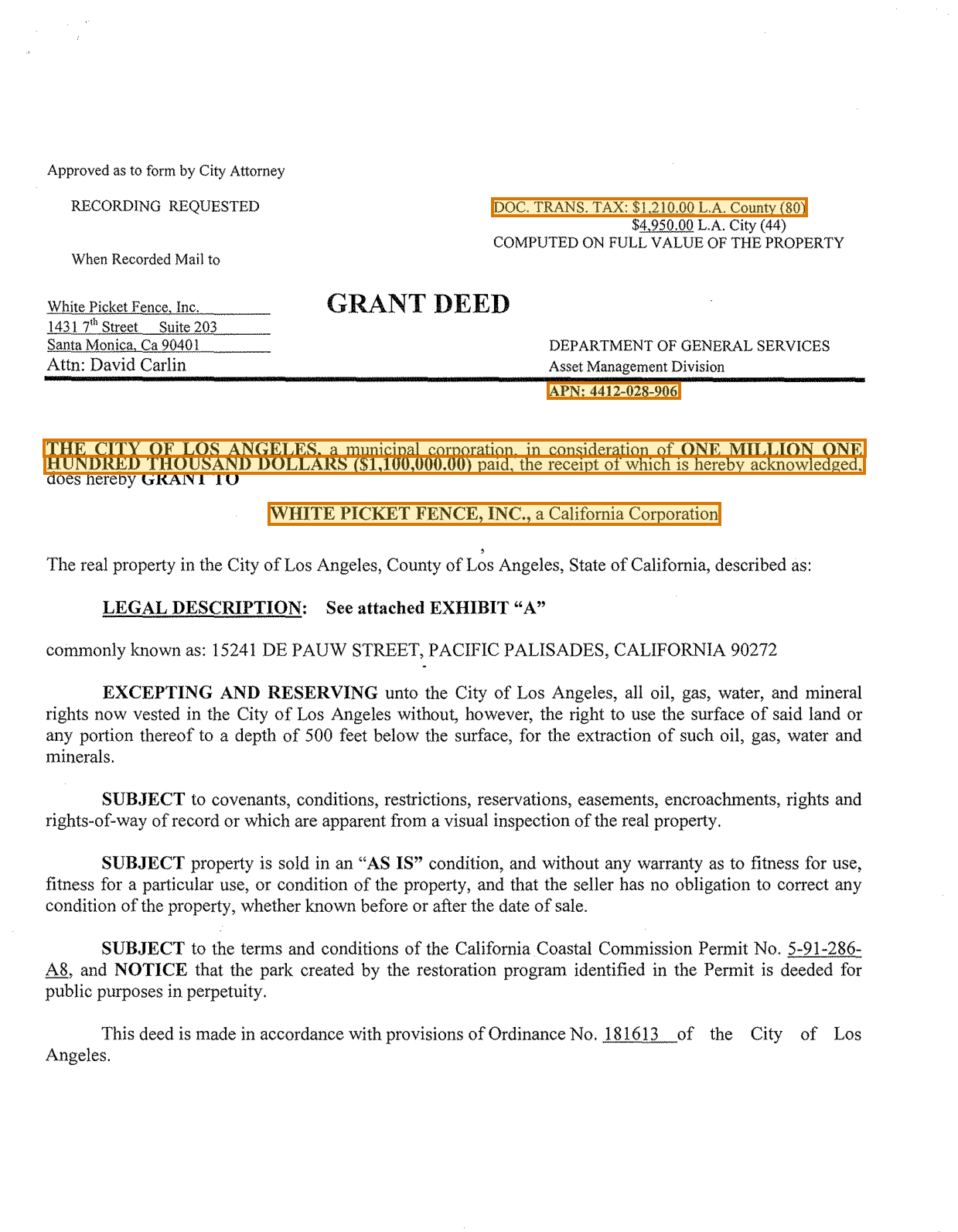
Grantee and legal descriptionDeedVesting matches the title commitment
Metrics

Business impact

Mortgage operations leaders measure document work in three places: how many applications close, what each loan costs to produce and how many loans come back as defects.

RevenueApplications that close up
BeforeWith ADE

Reach clear to close sooner and win more preapprovals

Borrowers and agents reward the lender that delivers a solid preapproval first. When income documents are read in minutes, a file reaches the underwriter the same day, and fewer applications stall while processors rekey pay stubs and returns.

55%retail pull-through at depositories in the first half of 2025, the lowest since 20001

CostProduction cost per loan down
BeforeWith ADE

Cut the hours processors spend rekeying borrower documents

Processors, underwriters and closers read the same figures from the same pages. Extracting each value once, with its source attached, removes repeat data entry at every stage of the file and lets each team handle more loans.

$11,102average loan production expense per loan in the fourth quarter of 20252
RiskBuyback exposure down
BeforeWith ADE

Reduce the income and appraisal defects behind loan buybacks

Income and appraisal issues caused 57 percent of GSE loan buybacks in an industry study of April 2023 to October 2024. Values traced to their source give QC teams a faster check of the figures most likely to be challenged.4

$32,000+average cost of one GSE loan buyback in the same study4
Customer Story

Autyn runs a mortgage operations platform for independent mortgage brokers, and income reconstruction is the slowest step in each file. Its income engine now extracts a full borrower package in one to three minutes, work that takes a person one to two hours, with 94 to 98 percent field-level accuracy on borrower documents.

Read the Autyn case study
“Very often a loan officer who gets a borrower a solid preapproval fastest earns the deal and the real estate agent’s referrals. Reconstructing income is the hardest part, and Agentic Document Extraction is the cornerstone to getting it right and traceable. Accurate data upfront means we can get a cleaner loan file to the underwriter and get to CTC faster. Get it wrong and everything downstream gets affected.”
Myra D'SouzaCEO, AutynAutyn
Why LandingAI?

Documents into data

Accurate

The best accuracy on the difficult documents other tools get wrong, such as messy scans, complicated tables, checkboxes and handwriting.

Auditable

Every answer cites its sources. Values come back with an audit trail (page, bounding box, character range) so a human can review them.

Agentic

Applies multi-step reasoning, and plans before it acts. Handles documents it has never seen before and adapts to variations.

API-first

Composable APIs that drop into any tech stack and can be called from anywhere. Easy to build on and embed in your pipelines and products.

Affordable

Cost-competitive rates with complete price transparency. Spend controls before you run, and every job reports its exact cost.

Enterprise-grade

Built for production and scale from day one. Fully observable and monitored, running securely in our cloud or yours.

Built for high-volume, high-throughput production

  • Zero data retention
  • Priority rate limits
  • Enhanced support
  • VPC and on-prem deployment

Available on Team and Enterprise plans. VPC and on-prem deployment require an Enterprise plan.

Compare plans
Related

Explore related pages

FAQ

Questions, answered

A purchase loan file usually holds the loan application, identity documents, income and asset records, the credit report, the purchase agreement, the appraisal, title and flood documents, and the closing package. Self-employed borrowers add full tax returns with Schedule C or Schedule E. The loan file above links each document to a worked extraction example.

Yes. Split separates one PDF into its individual documents and returns the page range of each, and Classify labels every document by type. Each document then goes to the extraction schema for its type, so a long stacked file becomes a set of pay stubs, returns, statements and disclosures, each with its own fields.

Autyn, a mortgage operations platform, reports 94 to 98 percent field-level accuracy on the borrower documents its earlier OCR pipeline struggled with. Agentic Document Extraction reads each document from its layout, so pay stubs from different payroll providers and returns with attached schedules go through one pipeline without templates. Every value also carries a confidence score for review.

Every extracted value returns with its page number, a bounding box and a character range in the parsed text. A review screen can draw that box on the original page, so the underwriter sees the exact cell or line behind a figure. Each document above links to an example with those boxes drawn on the page.

Extraction returns JSON that matches your schema, through the REST API or the Python and TypeScript libraries. Teams map those fields into their loan origination system, pricing engine or QC tools with the integrations they already run, and each value keeps its source location.

Zero Data Retention (ZDR) is available on Team and Enterprise plans in the US and EU regions. With ZDR on, documents and results are not stored after processing and are not used for training. Teams processing protected health information pair ZDR with a Business Associate Agreement. LandingAI is SOC 2 Type II certified, and its security documentation is in the Trust Center at trust.landing.ai.

Yes. On the Enterprise plan, Agentic Document Extraction runs as a containerized application in your own AWS, Azure or Google Cloud environment, or on premises. Documents and results stay inside the boundary your security team controls, and the same APIs run there. The network boundary, support access and operating model are agreed during Enterprise scoping.

Start Extracting in Minutes, Not Months

Production-ready AI extraction pipeline with document understanding.

Sources

  1. MBA and STRATMOR Peer Group Roundtables, via MBA Newslink (November 2025)
  2. MBA Quarterly Mortgage Bankers Performance Report (March 2026)
  3. Autyn case study, LandingAI
  4. Reggora and STRATMOR repurchase study, via National Mortgage News