*** September 2026 Major Release ***Read and watch
Use case

Life underwriting automation, grounded in evidence

A life underwriting file holds the application, prescription history, lab results and physician records, plus financials for larger cases. Underwriters see each risk signal beside the page it came from.

LandingAI transforms documents into highly accurate, verifiable, structured data so teams can reliably automate document-intensive workflows.

The Problem

Why underwriting evidence is slow to read

Medical records run long

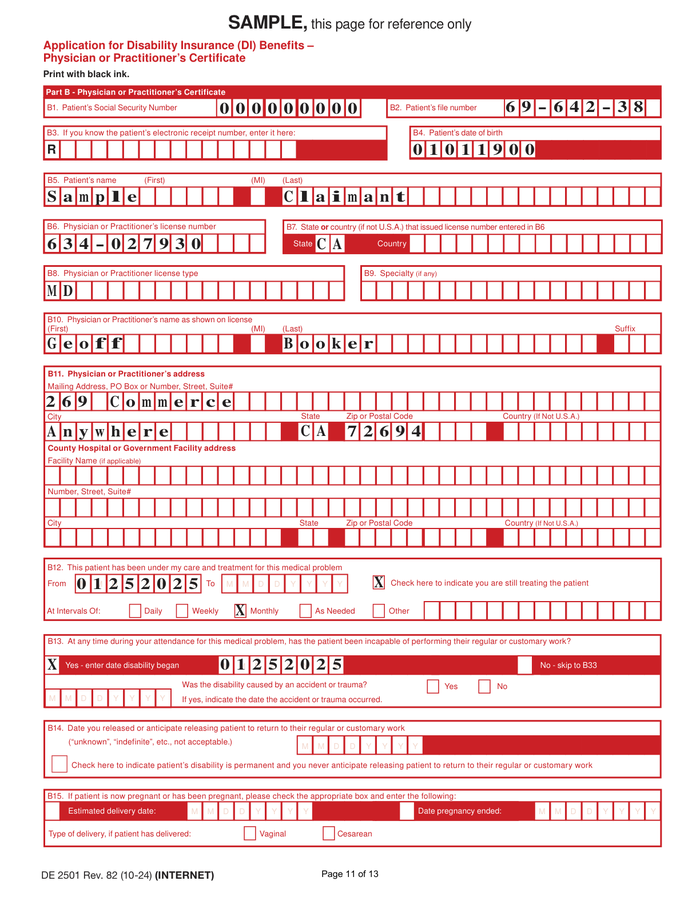
An attending physician statement arrives as scanned pages of typed notes, handwritten annotations, charts and lab results. Munich Re notes that its length and scan quality can drive review time more than the medical case itself.2

Every source prints its own layout

Labs, cardiograph vendors, prescription databases and state motor vehicle agencies each format results their own way, so underwriters meet a new layout with almost every report.

Answers have to match the evidence

Tobacco use, income and net worth on the application are checked against prescription history, labs and financial records. New York's insurance regulator expects carriers that use AI or external data in underwriting to show how that data relates to risk.3

One Pipeline

The same pipeline for every document

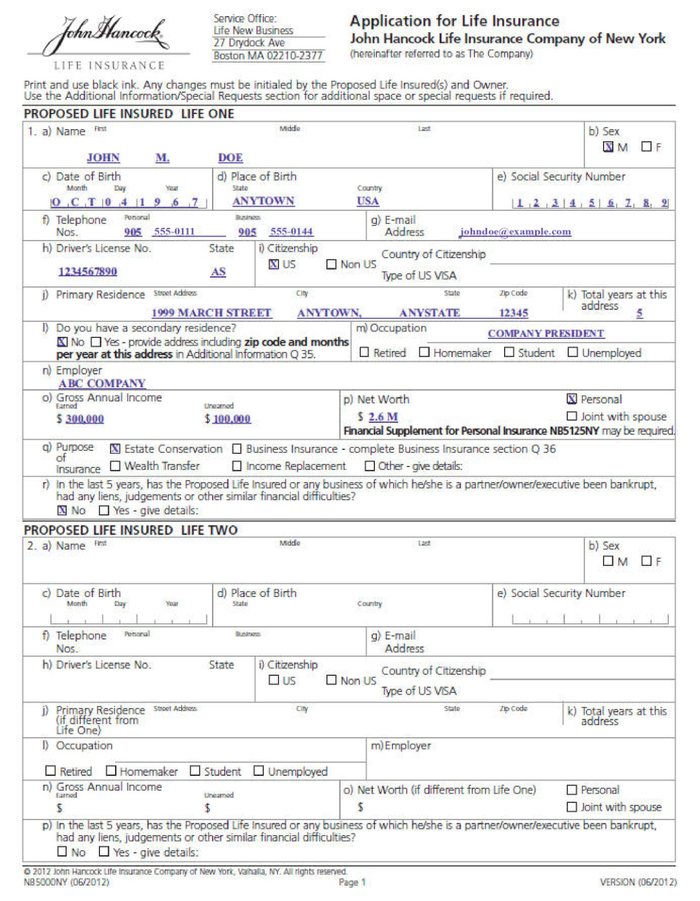
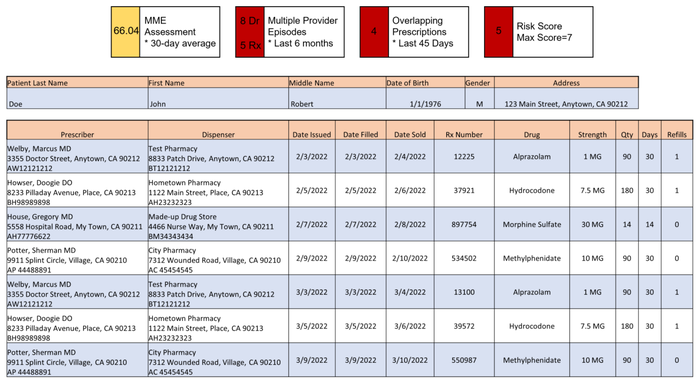
The same Parse call reads a life insurance application, a prescription history report and an attending physician statement. Every document type uses one set of APIs, with zero templates to build and zero models to train or fine-tune.

  • No templates or training

    A new form, issuer or document type works on its first call, with nothing to configure.

  • Layout changes keep working

    If an issuer redesigns a form or a new version arrives, no pipeline changes are needed.

  • Test a new document in minutes

    Upload a sample in the Playground; agentic reasoning will immediately understand it.

Common pipelines

When documents arrive individually

Classify, then parse and extract each document into a databaseClassifyParseExtractDatabase

When documents arrive as a packet

Parse the packet, split it into documents, and extract each into its own databaseParseSplitExtractDatabaseExtractDatabaseExtractDatabase
How It Works

How it works for underwriting evidence

  1. 1

    Classify arriving evidence

    Classify labels each document as it arrives, so prescription histories, lab reports, EKGs and records each go to the schema built for them.

    Classify API →
  2. 2

    Parse every page

    Parse reads scanned records, handwriting, charts and lab tables into structured Markdown, page by page.

    Parse API →
  3. 3

    Section long medical records

    Section takes the Parse output of a long physician statement and builds a table of contents, so encounters, lab results and imaging reports can be found by heading.

    Section API →
  4. 4

    Extract the risk signals

    Extract returns the fields your rules engine reads, such as fills, intervals and test results, as JSON that matches your schema.

    Extract API →
  5. 5

    Ground every value

    Ground maps each extracted value to the block, page and bounding box it came from, so an underwriter checks a flagged result on the original record before rating the case.

    Ground docs →
Specific Documents Involved

The life underwriting evidence file

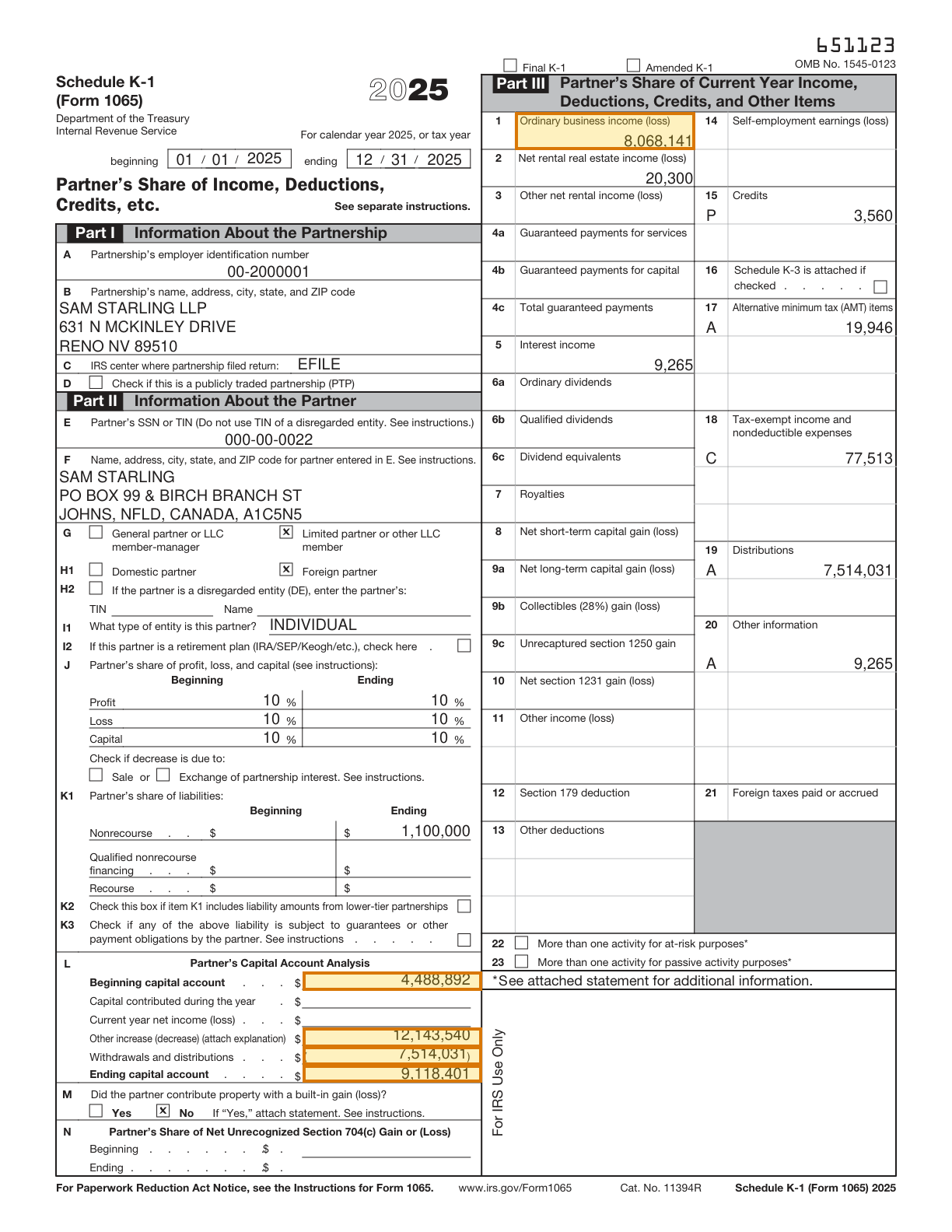
Trusted, high-volume processing of the documents involved in life insurance underwriting requires handling diverse document types and layouts. A prescription history report is very different from an attending physician statement, which is different from a Schedule K-1. The pipeline must provide high accuracy and consistent outputs across all of them.

Our agentic approach is able to reason over each document type and return structured hierarchical Markdown and JSON outputs that downstream systems can rely on.

Worked examples

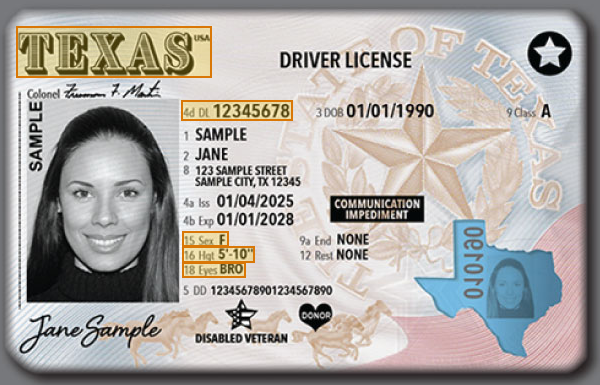
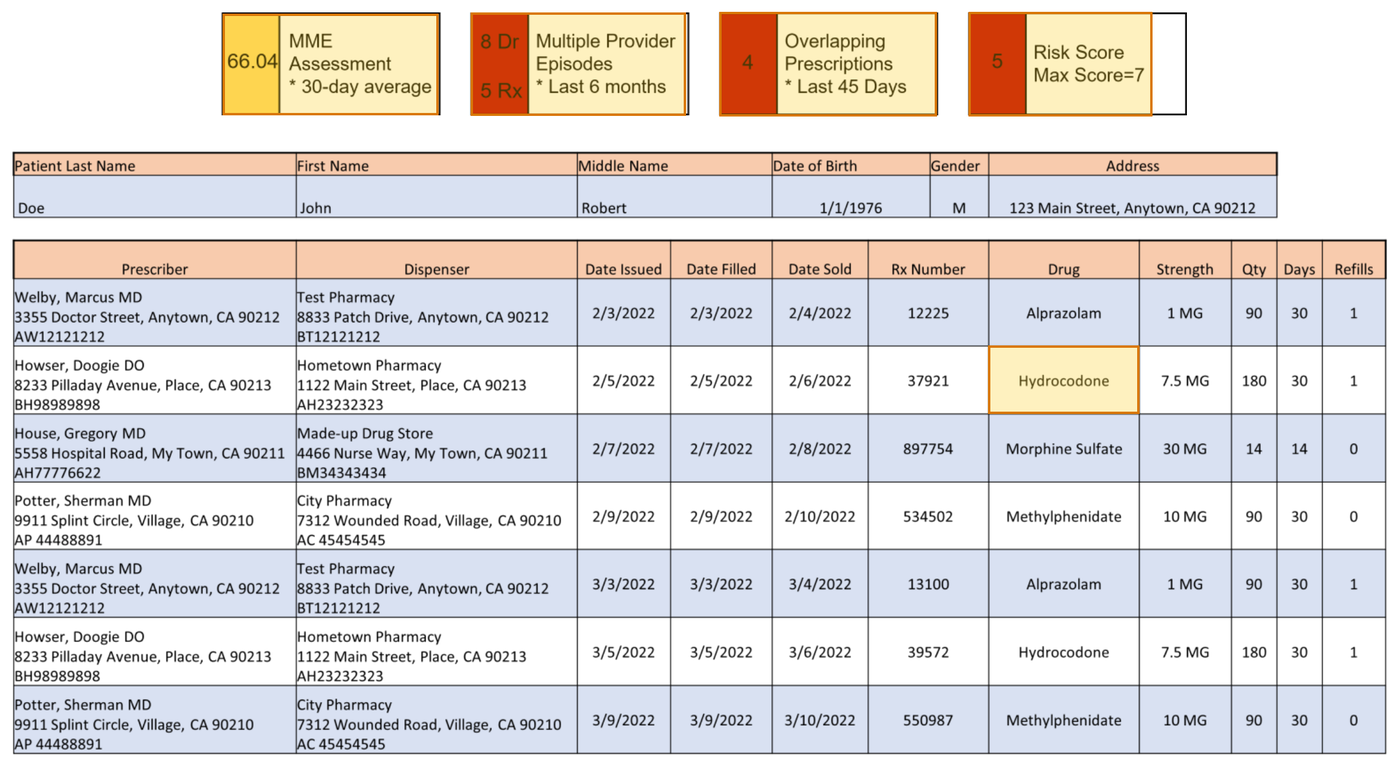
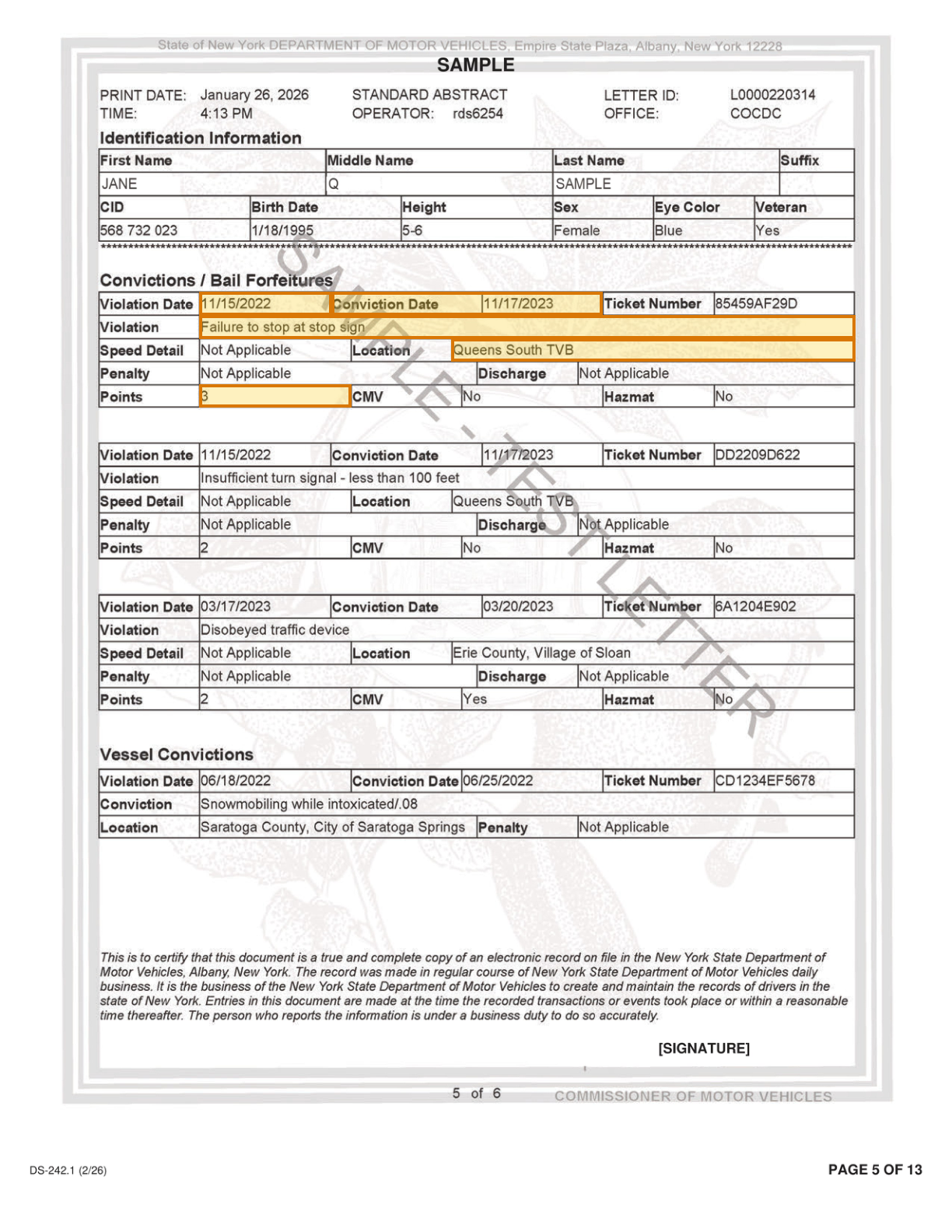
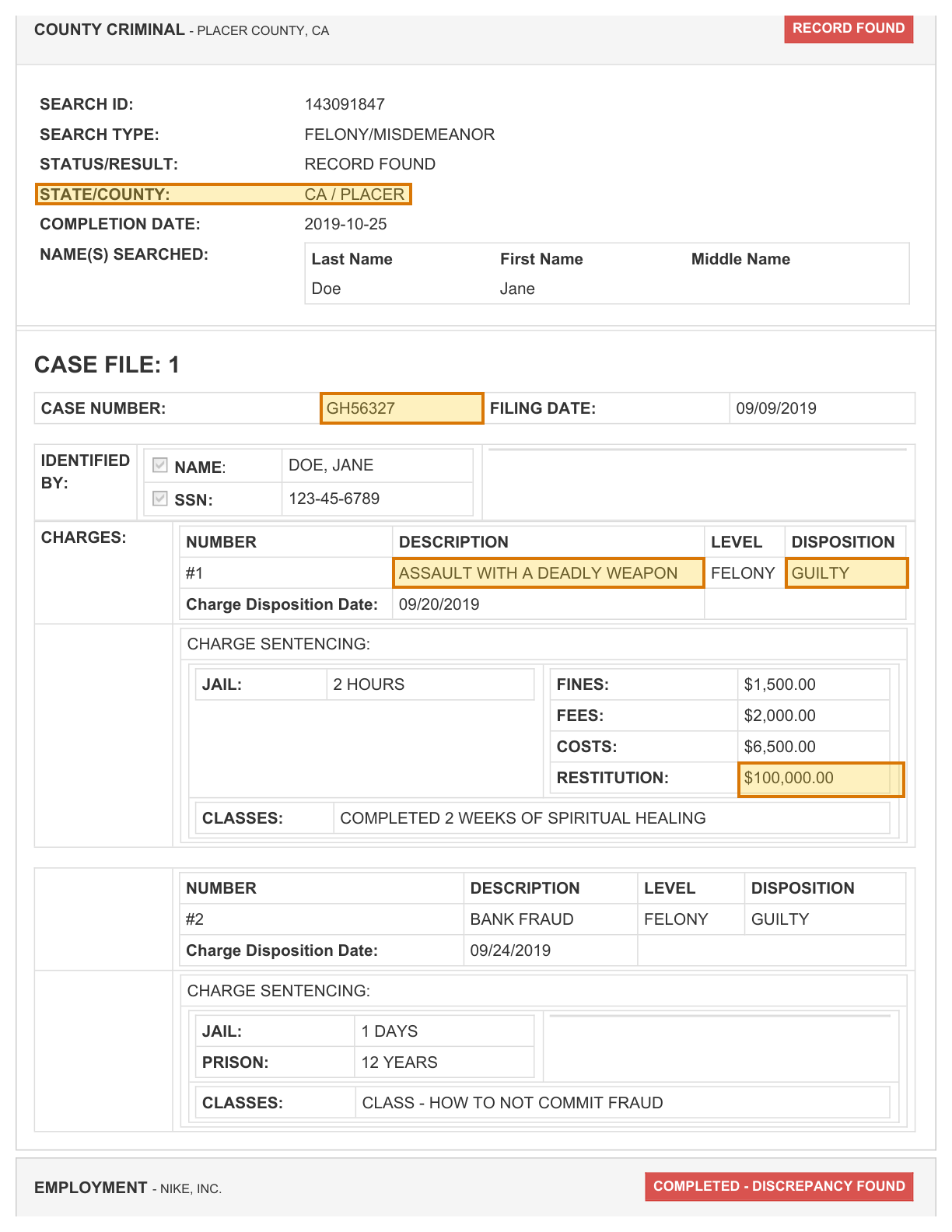
Each document below links to a worked example. The documents and schemas are available in full on GitHub and you are welcome to use them for your own testing.

Values to Extract

Key fields across the evidence file

FieldSource documentUsed for
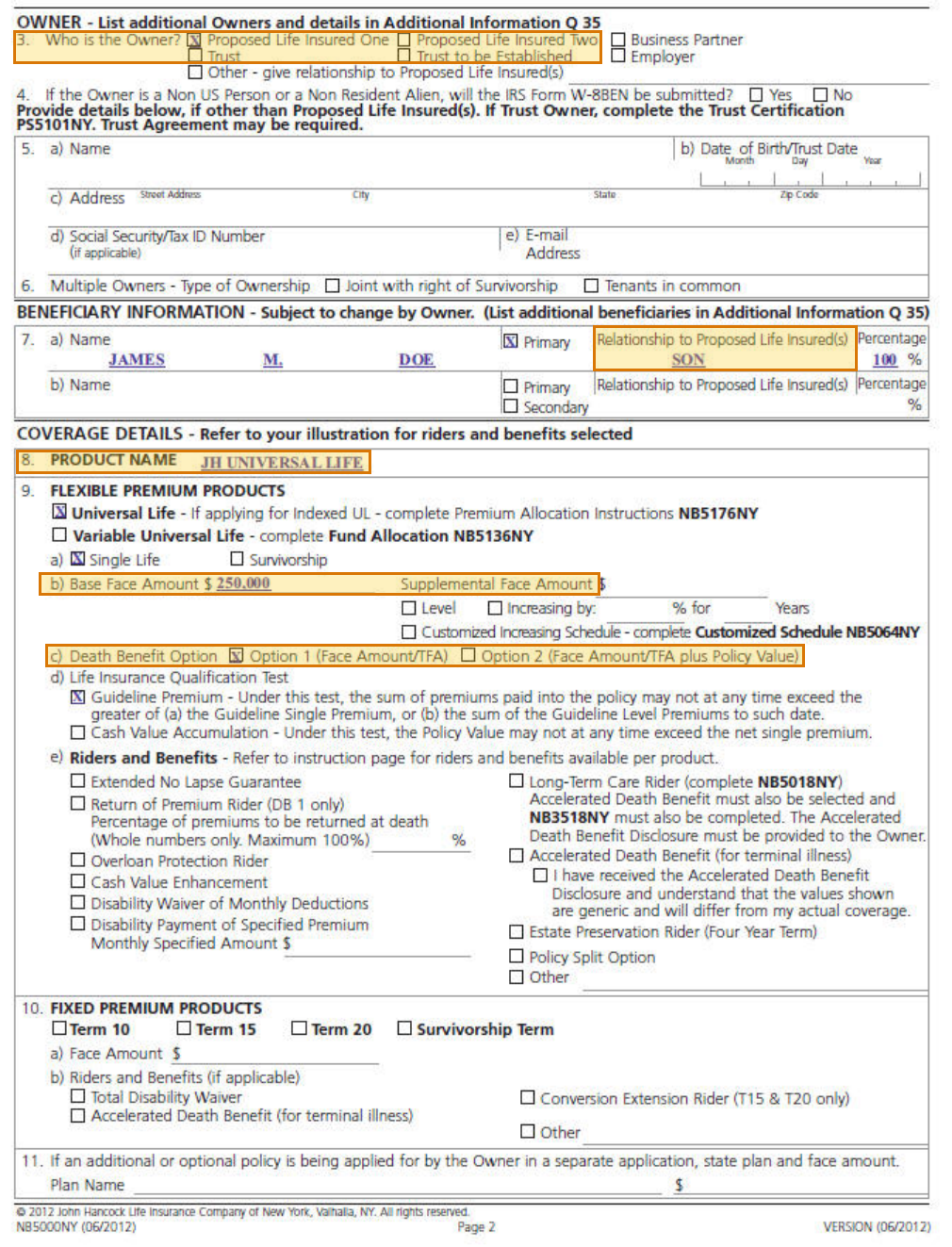
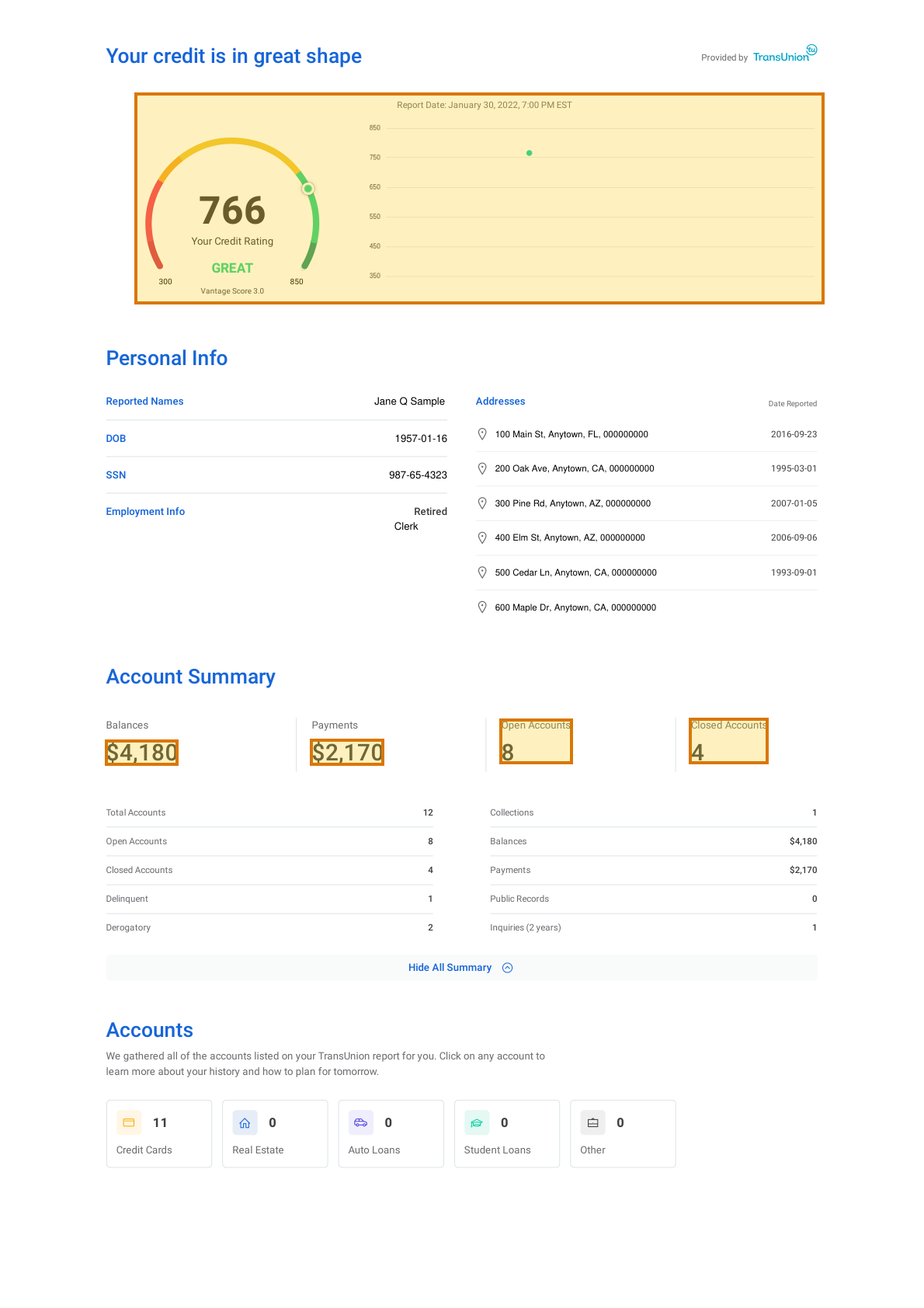
Face amount, tobacco use, earned income and net worthLife Insurance ApplicationEvidence requirements and rate class
Drug, strength, fill date and prescriberPrescription History ReportAccelerated path eligibility
Convictions, points and suspensionsMotor Vehicle ReportRisk class
Charges and dispositionsCriminal Background CheckEligibility
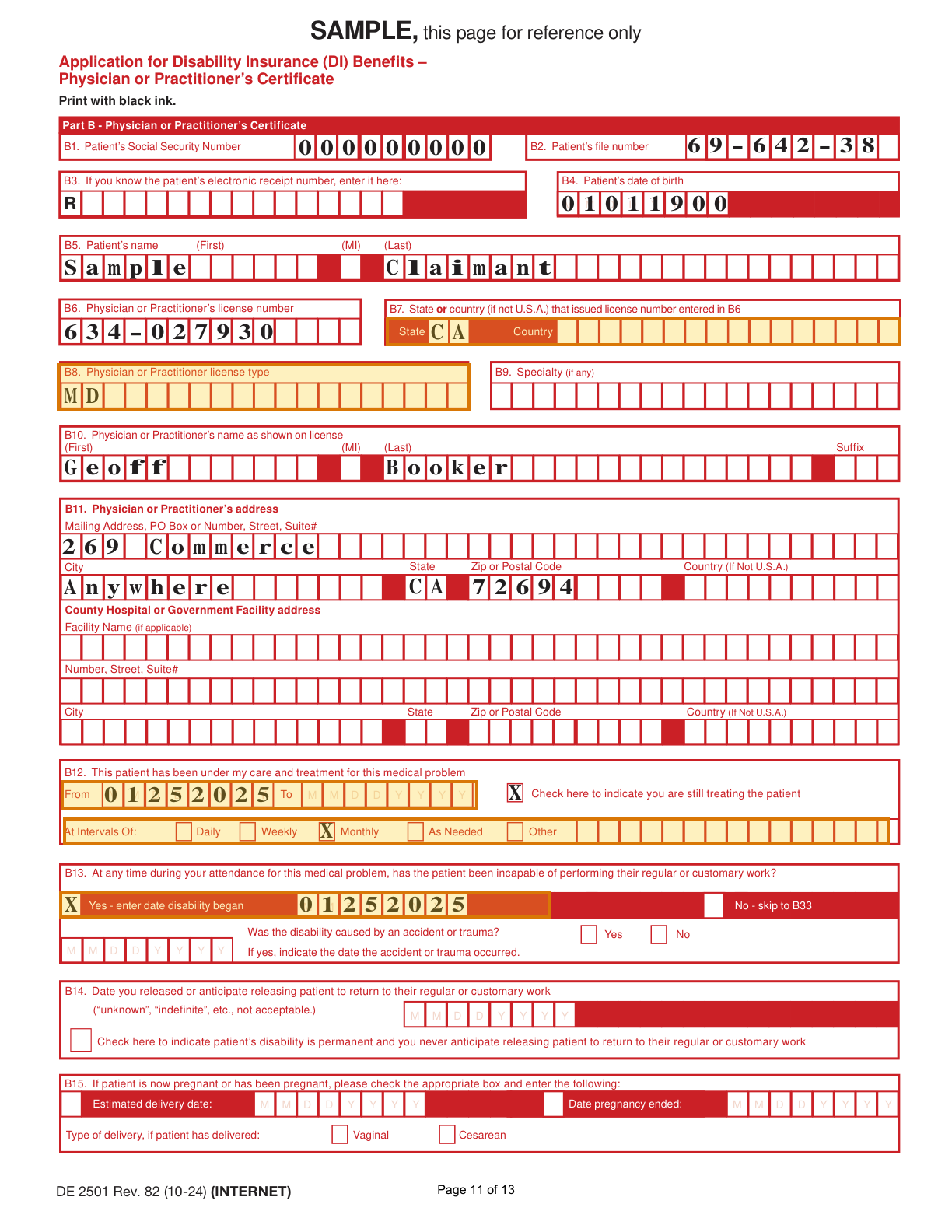
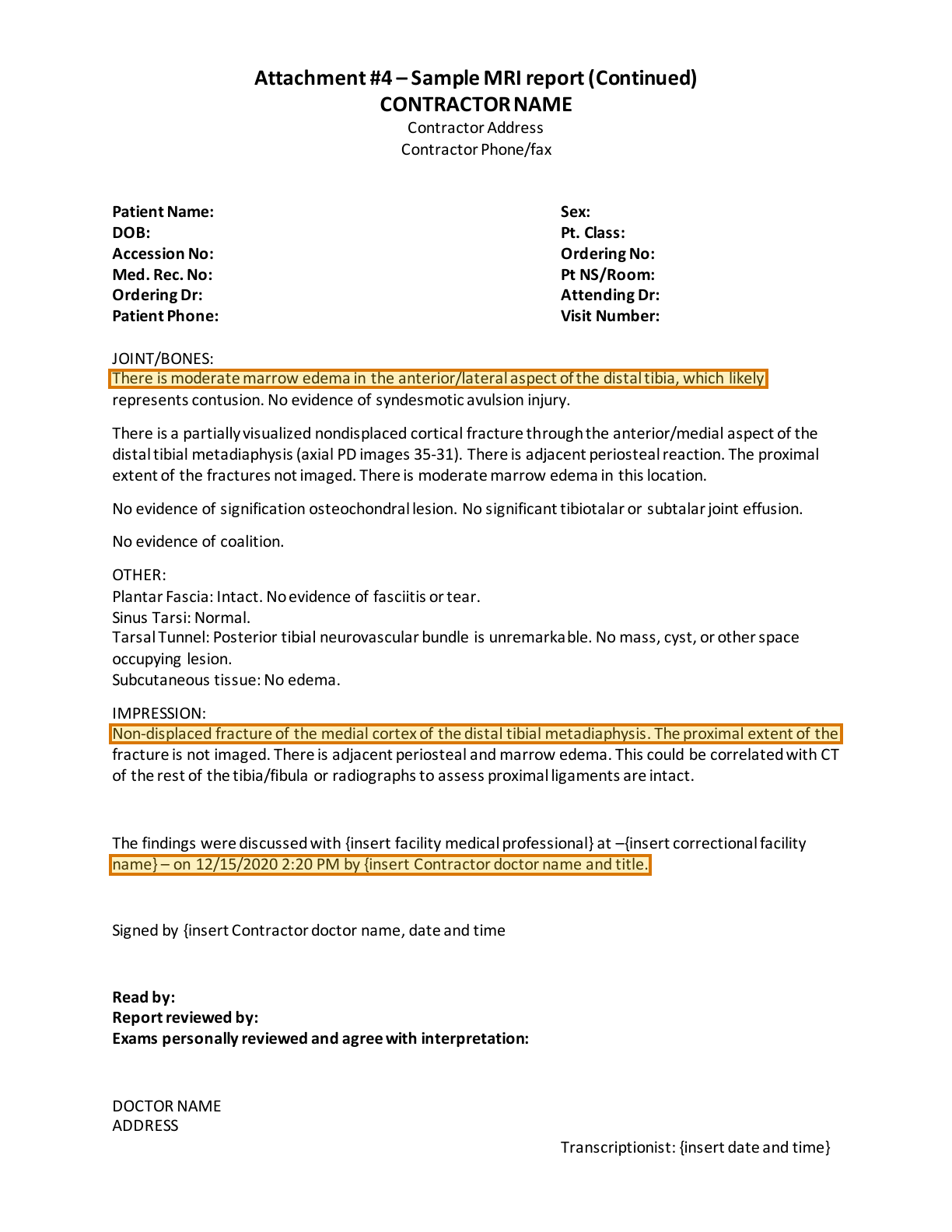
Diagnosis, treatment and dates under careAttending Physician StatementImpairment rating
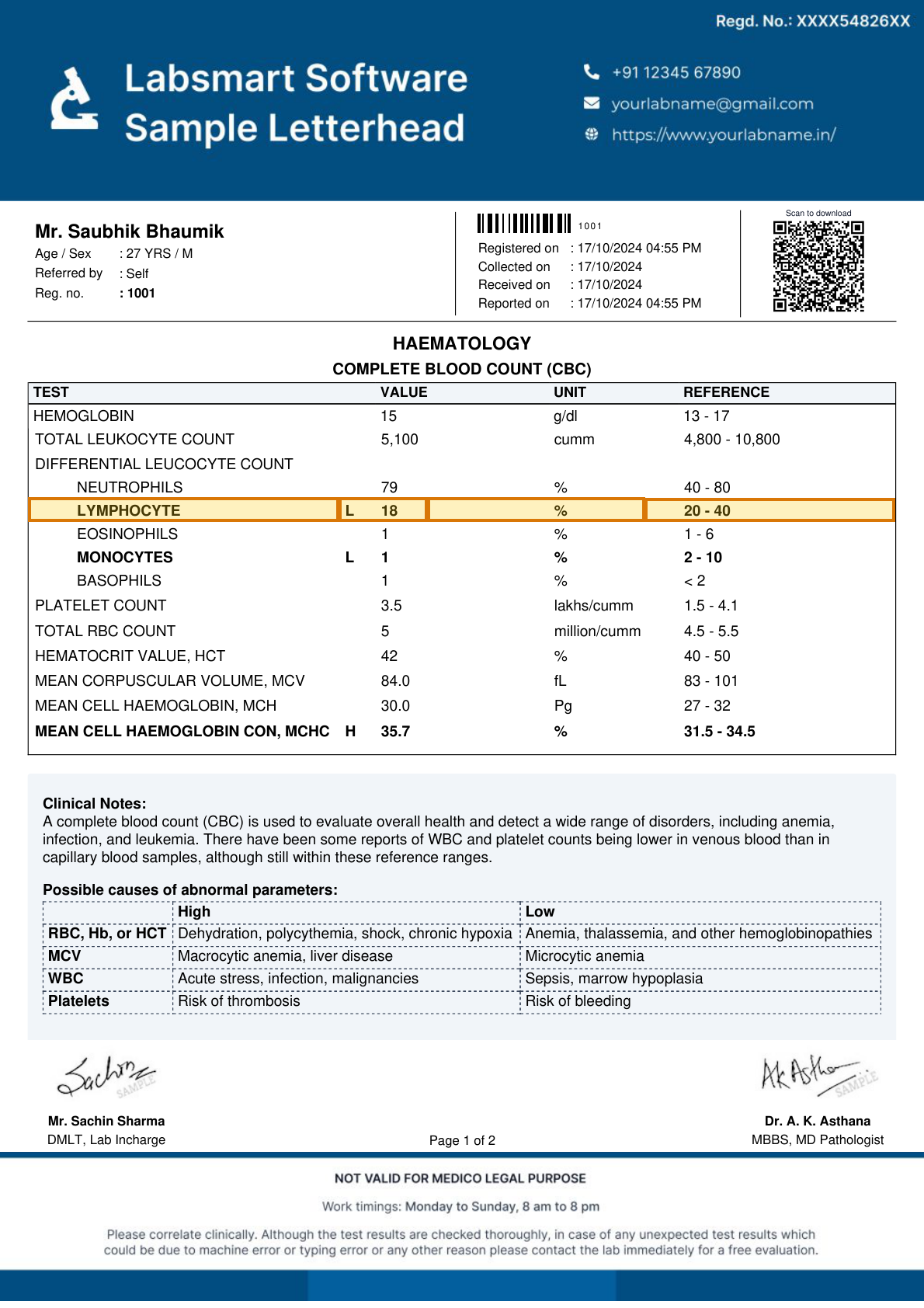
Test name, result and reference rangeLab ReportRating debits and credits
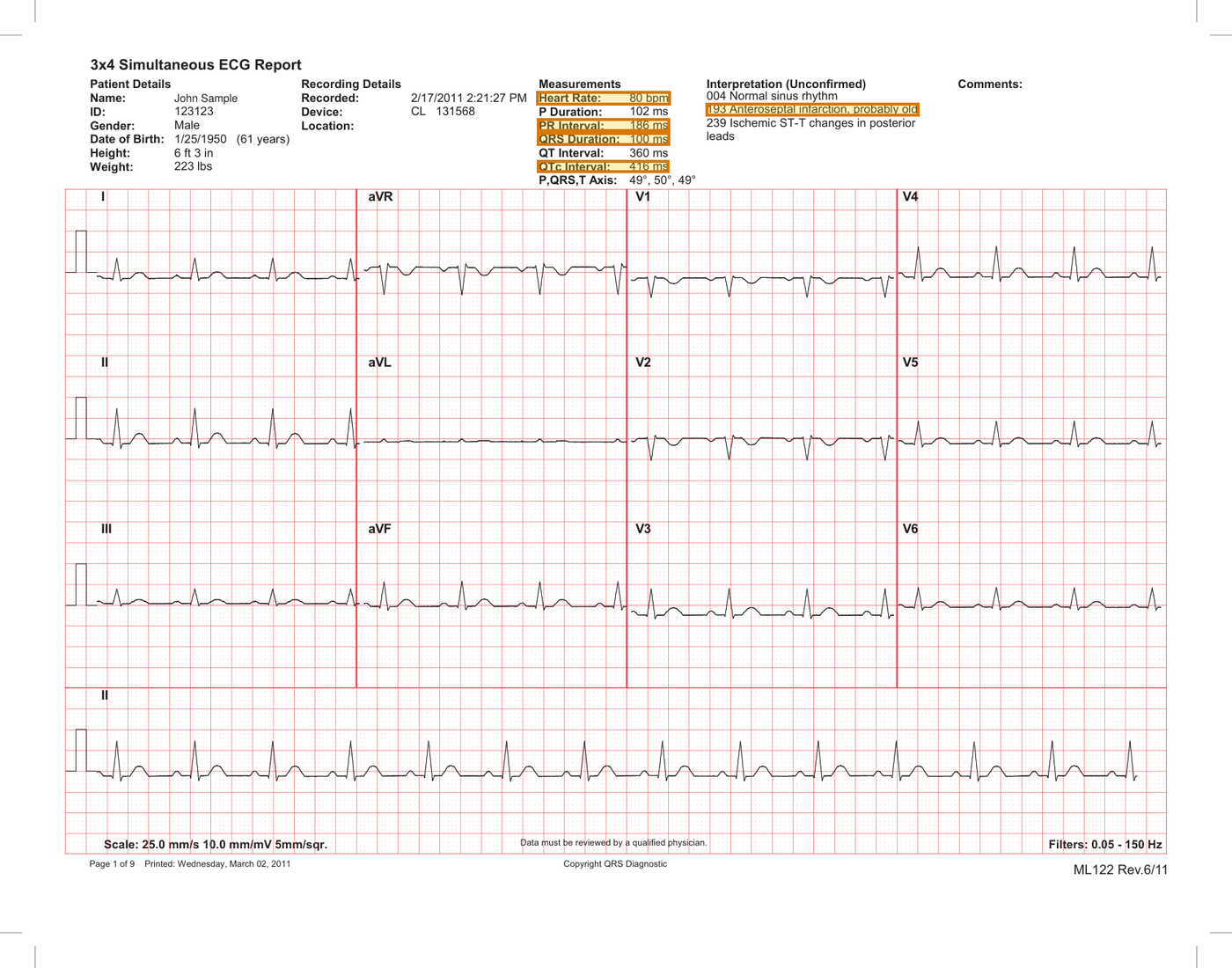
Heart rate, interval measurements and interpretationEKG ReportCardiac rating
Impression and primary diagnosisMedical Imaging ReportImpairment rating
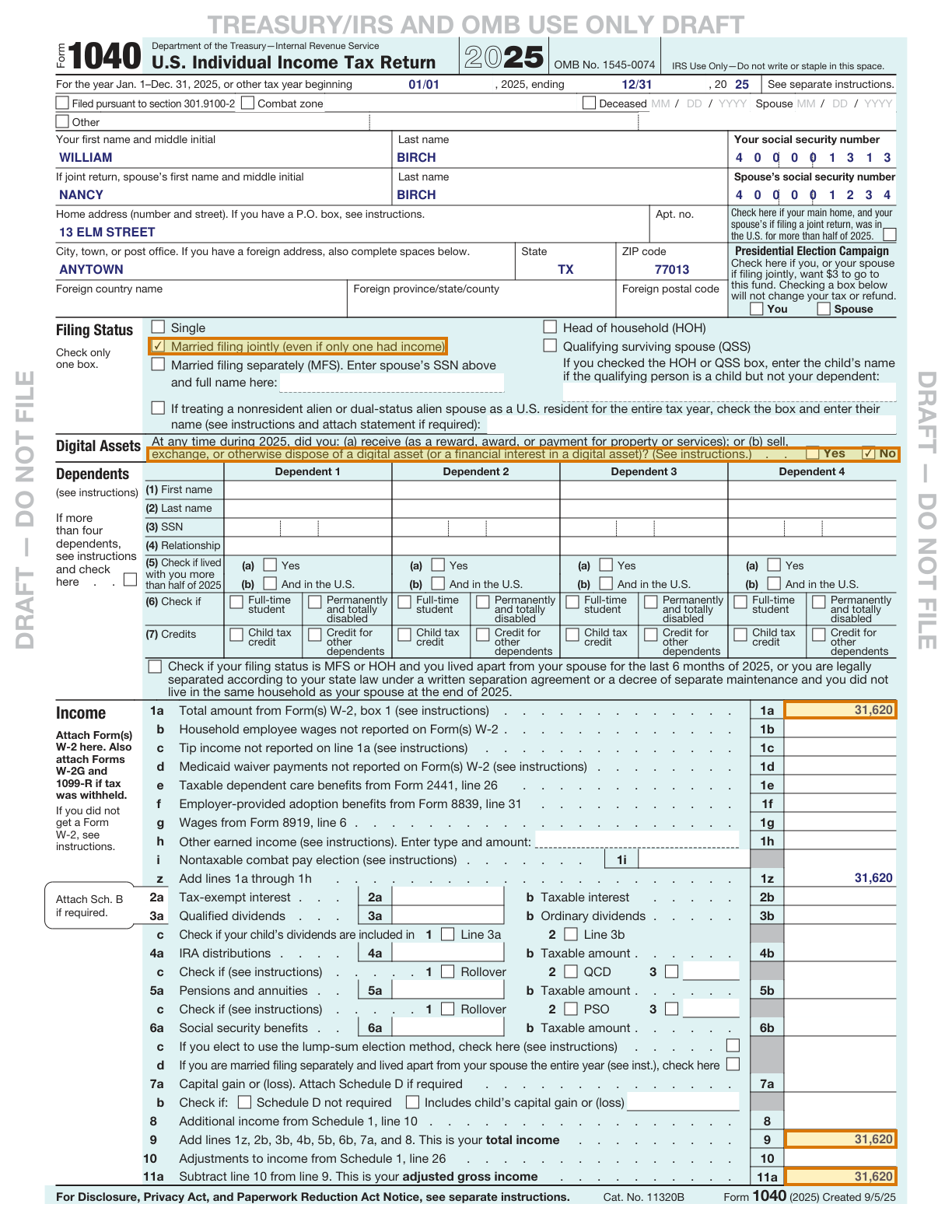
Adjusted gross incomeForm 1040Financial justification
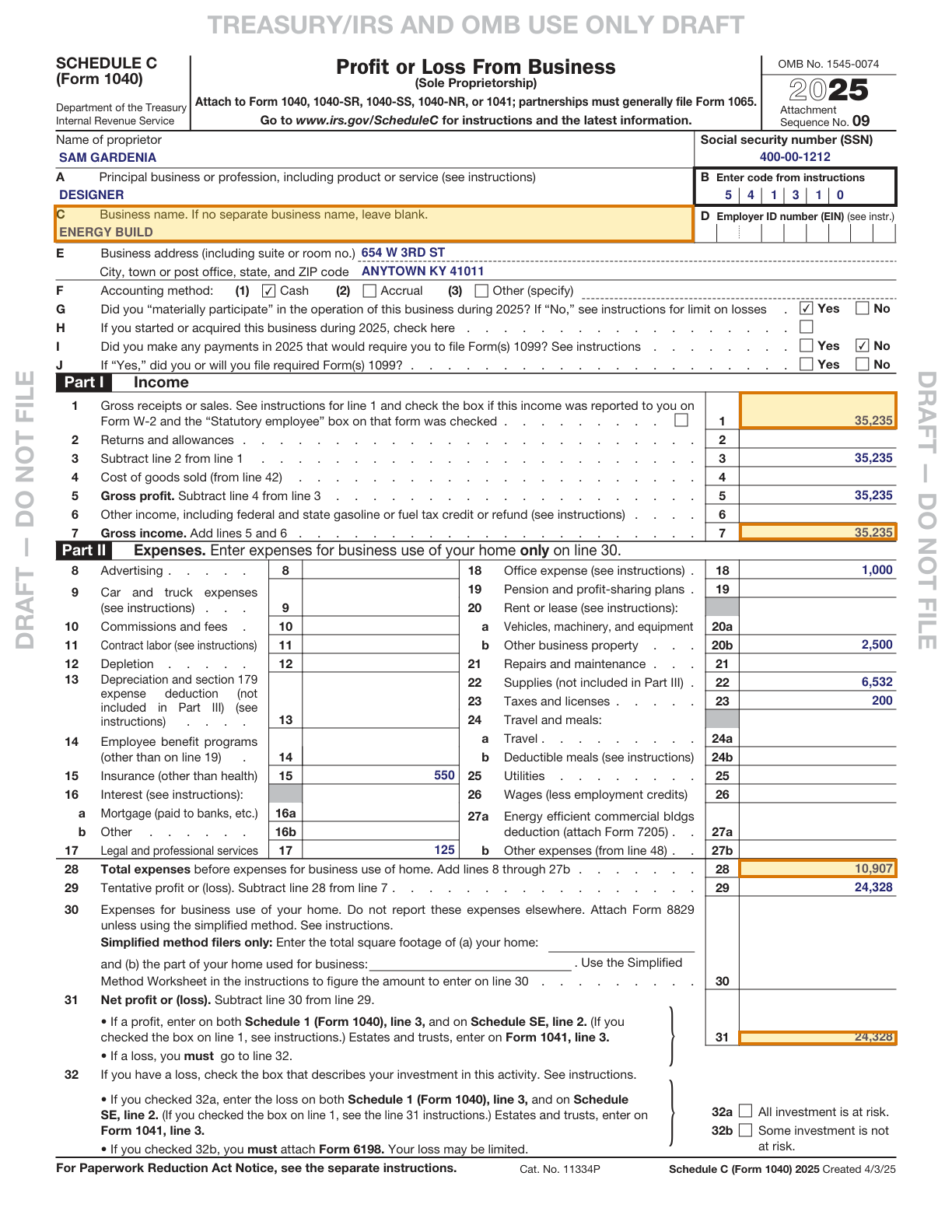
Net profit or lossSchedule CSelf-employed income justification
Ordinary business incomeSchedule K-1Owner income justification
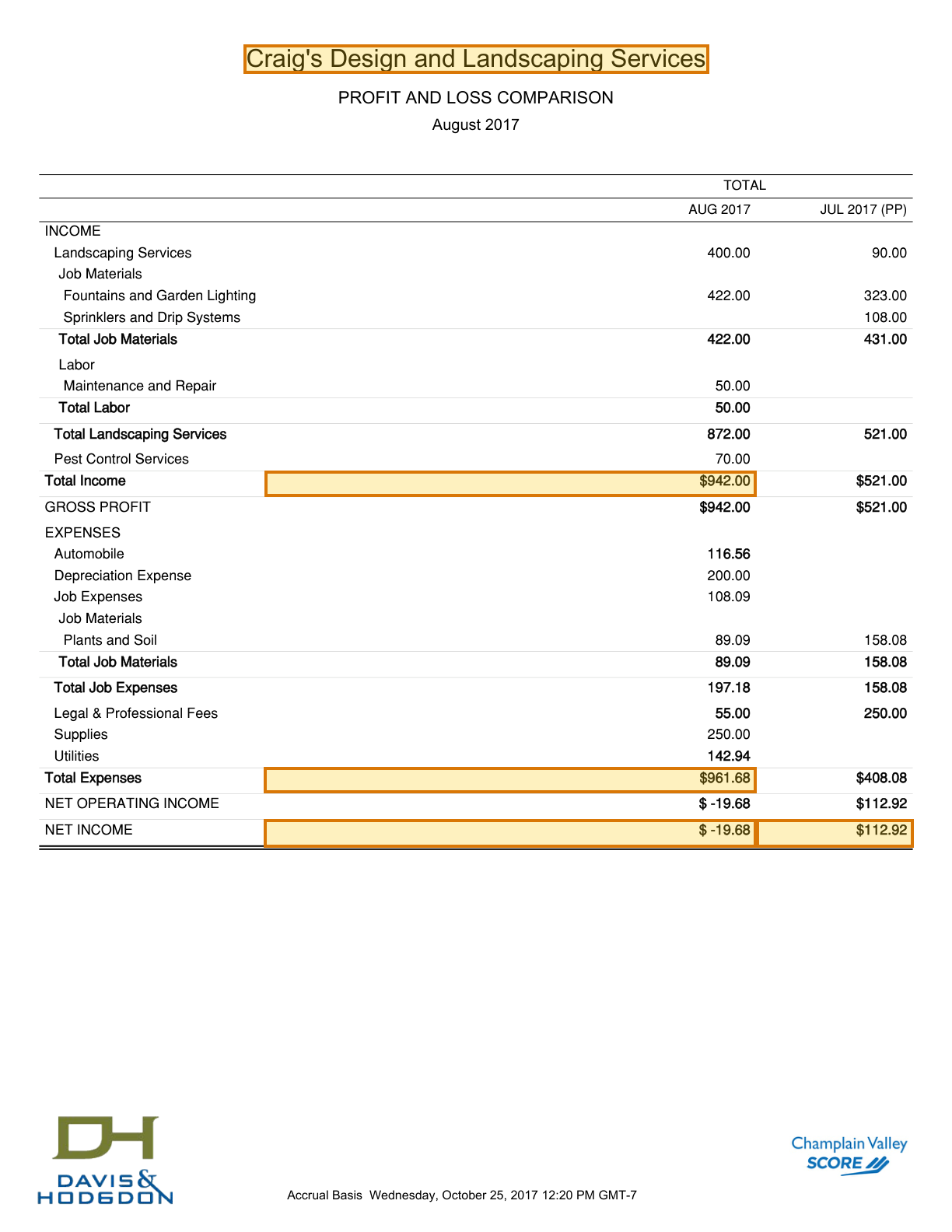
Net incomeBusiness Profit and Loss StatementKey person and buy-sell cover amounts
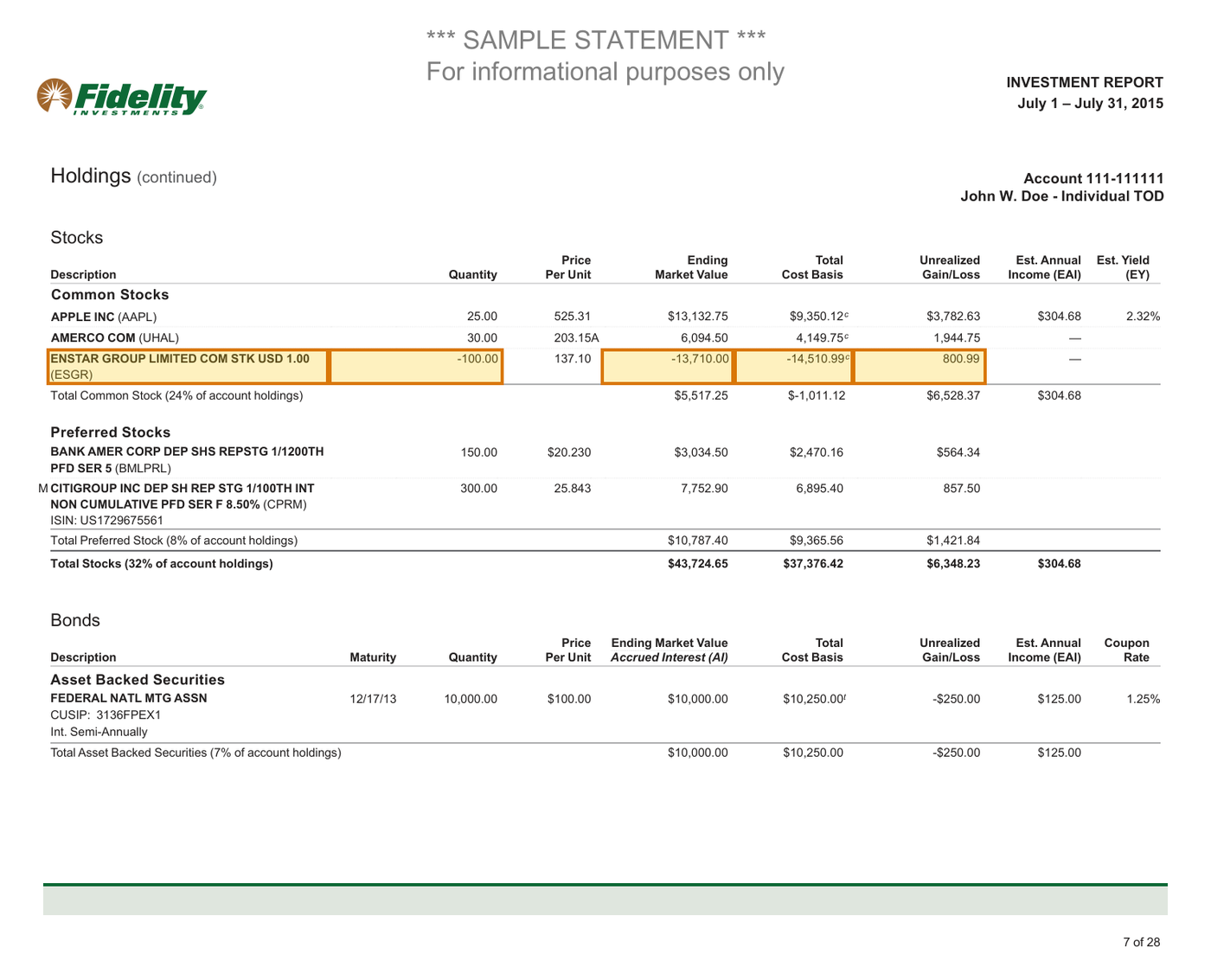
Ending portfolio valueInvestment StatementNet worth justification
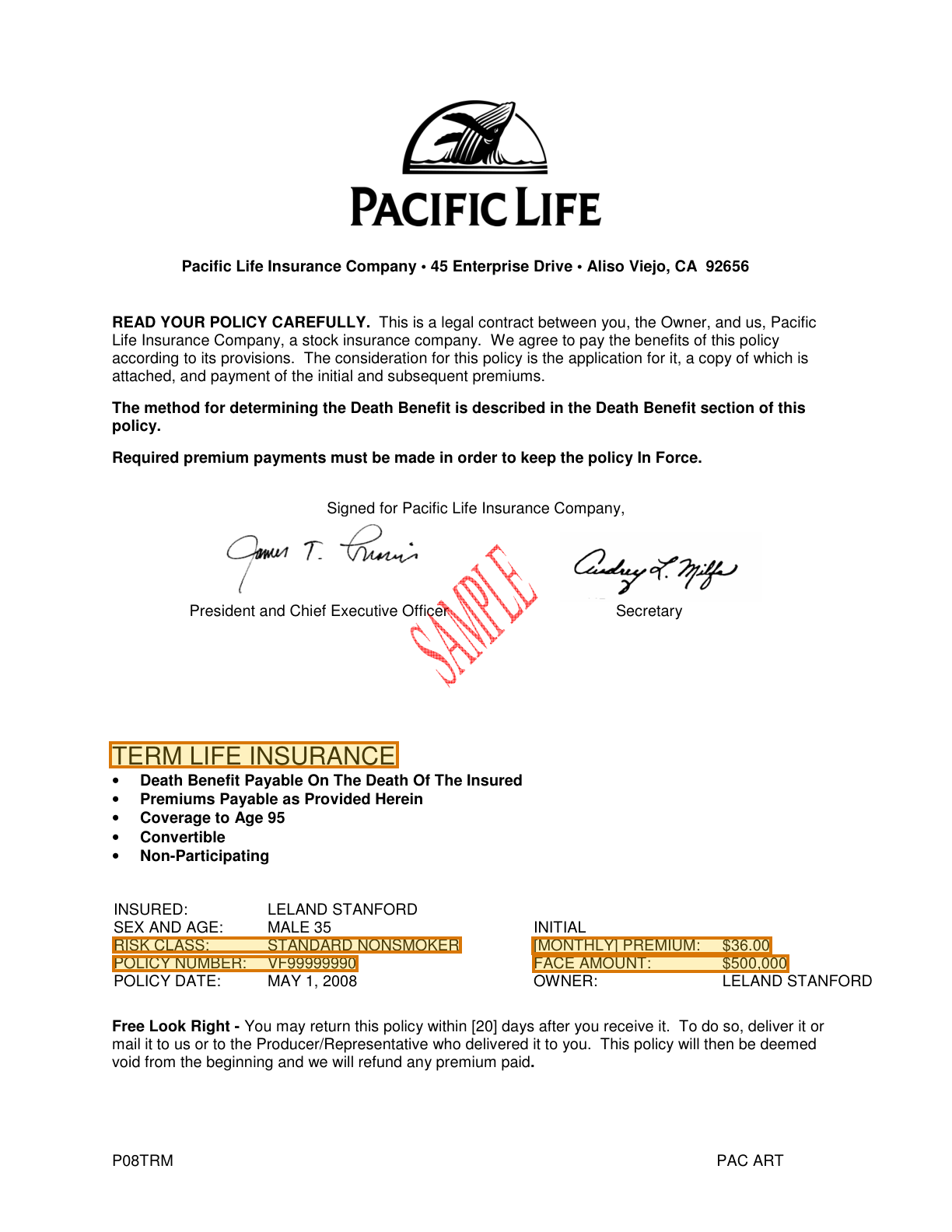
Face amount, risk class and initial premiumLife Insurance PolicyIssued terms match the decision
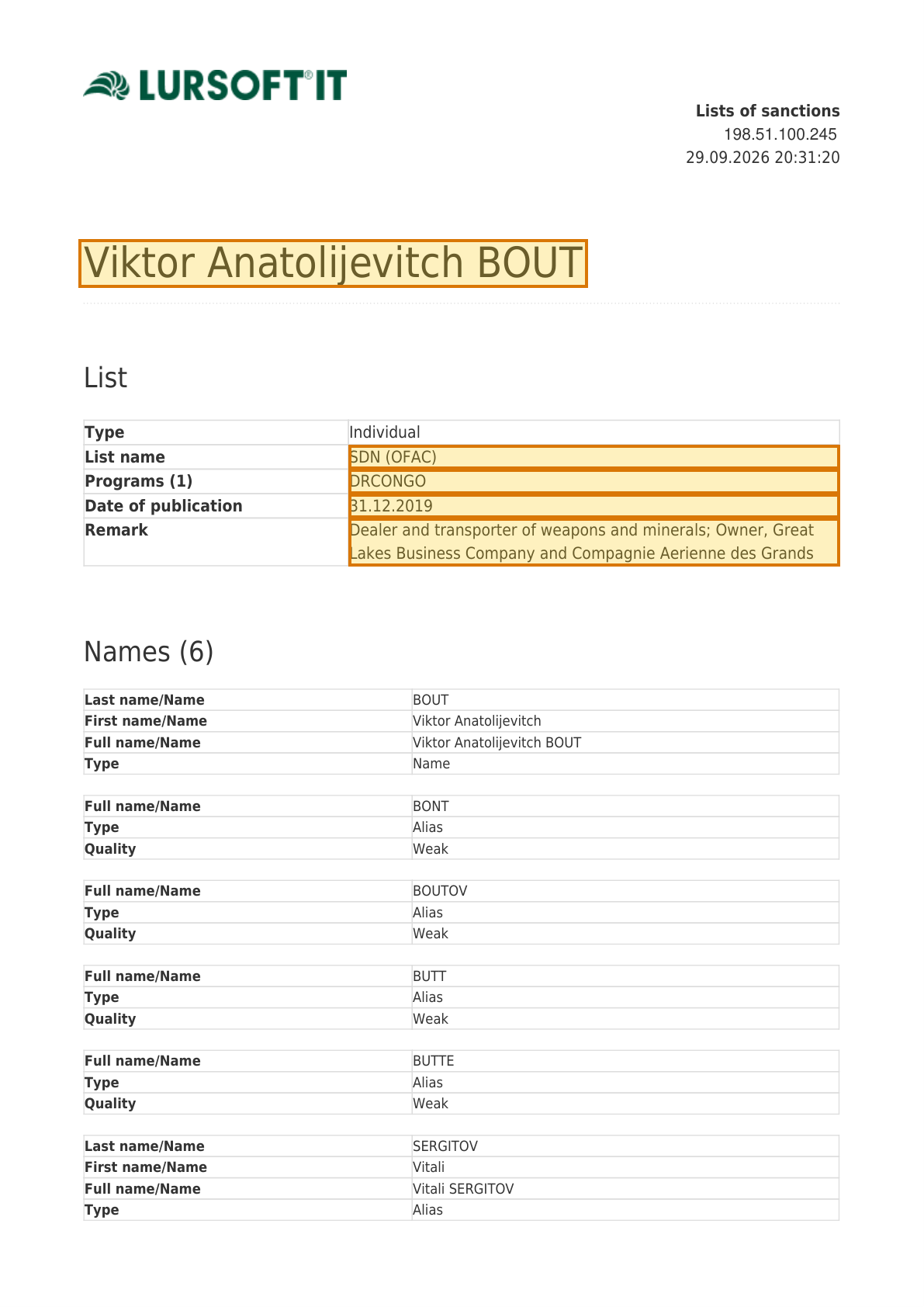
Subject name, sanctions list and programsSanctions ScreeningIssue clearance
Metrics

Business impact

Underwriting leaders track three things: how fast a case reaches a decision, what evidence review costs and how well each rating holds up to an audit.

RevenueCases placed up
BeforeWith ADE

Issue policies faster and place more of the cases agents submit

Applicants and agents wait on the slowest piece of evidence. Records and lab results read in minutes shorten full underwriting, and more cases reach a decision while the applicant is still committed.

5 vs. 23 daysaverage time to issue on accelerated paths against a full underwriting decision4

CostUnderwriter hours per case down
BeforeWith ADE

Cut the hours underwriters spend paging through medical records

The length and scan quality of an attending physician statement can drive review time more than the medical case itself. Extracted, grounded fields let underwriters start from the findings and open the record only where a value needs a closer look.2

RiskUnsupported ratings down
BeforeWith ADE

Rate every case on evidence an auditor can trace

Post-issue audits and regulators ask why a case received its rating. Each extracted value carries its page and location, so the evidence behind a rating can be shown on the original record.

86%of carriers use or plan pre- and post-issue audits1
Why LandingAI?

Documents into data

Accurate

The best accuracy on the difficult documents other tools get wrong, such as messy scans, complicated tables, checkboxes and handwriting.

Auditable

Every answer cites its sources. Values come back with an audit trail (page, bounding box, character range) so a human can review them.

Agentic

Applies multi-step reasoning, and plans before it acts. Handles documents it has never seen before and adapts to variations.

API-first

Composable APIs that drop into any tech stack and can be called from anywhere. Easy to build on and embed in your pipelines and products.

Affordable

Cost-competitive rates with complete price transparency. Spend controls before you run, and every job reports its exact cost.

Enterprise-grade

Built for production and scale from day one. Fully observable and monitored, running securely in our cloud or yours.

Built for high-volume, high-throughput production

  • Zero data retention
  • Priority rate limits
  • Enhanced support
  • VPC and on-prem deployment

Available on Team and Enterprise plans. VPC and on-prem deployment require an Enterprise plan.

Compare plans
Related

Explore related pages

FAQ

Questions, answered

It depends on the applicant's age, the face amount and the underwriting path. An accelerated case uses the application and third-party data such as prescription history and motor vehicle records. Full underwriting adds a paramedical exam, lab results, an EKG for older or larger cases, physician records and, for high face amounts, tax returns and business financials.

Yes. Parse handles files of more than 1,000 pages, including scans, handwriting, charts and tables, and Section builds a table of contents so encounters and lab results can be found by heading. Extract then returns the fields your underwriters rate on, each tied to the page it came from.

Agentic Document Extraction returns structured fields with their source locations, such as diagnoses, dates of care, test results and measurements. Teams use those fields to drive a rules engine or to build the summary an underwriter reads, and every line in that summary can point back to the record behind it.

Every value returns with its page number, a bounding box, a character range in the parsed text and a confidence score. A review screen draws the box on the original page, so the underwriter sees the exact line of the lab report or physician note behind a flagged result.

Accelerated programs depend on clean, structured data from the application and third-party reports. Extraction turns prescription histories, motor vehicle reports and applications into fields a rules engine reads, and low-confidence values go to an underwriter. The same grounded fields support post-issue audits of accelerated cases.

Zero Data Retention (ZDR) is available on Team and Enterprise plans in the US and EU regions. With ZDR on, documents and results are not stored after processing and are not used for training. Teams processing protected health information pair ZDR with a Business Associate Agreement. LandingAI is SOC 2 Type II certified, and its security documentation is in the Trust Center at trust.landing.ai.

Yes. On the Enterprise plan, Agentic Document Extraction runs as a containerized application in your own AWS, Azure or Google Cloud environment, or on premises. Documents and results stay inside the boundary your security team controls, and the same APIs run there. The network boundary, support access and operating model are agreed during Enterprise scoping.

Start Extracting in Minutes, Not Months

Production-ready AI extraction pipeline with document understanding.

Sources

  1. Gen Re, 2025 U.S. Individual Life Next Gen Underwriting Survey
  2. Munich Re North America Life, "Integrating Machine Learning for Efficient Underwriting of APS Records"
  3. New York State Department of Financial Services, Insurance Circular Letter No. 7 (2024)
  4. Gen Re, "From AU to Next Gen: Understanding the Latest Underwriting Trends"