Take a live AI-guided product tour with Lando.Launch AI demo
Use case

Auto loan document processing, every stip traced

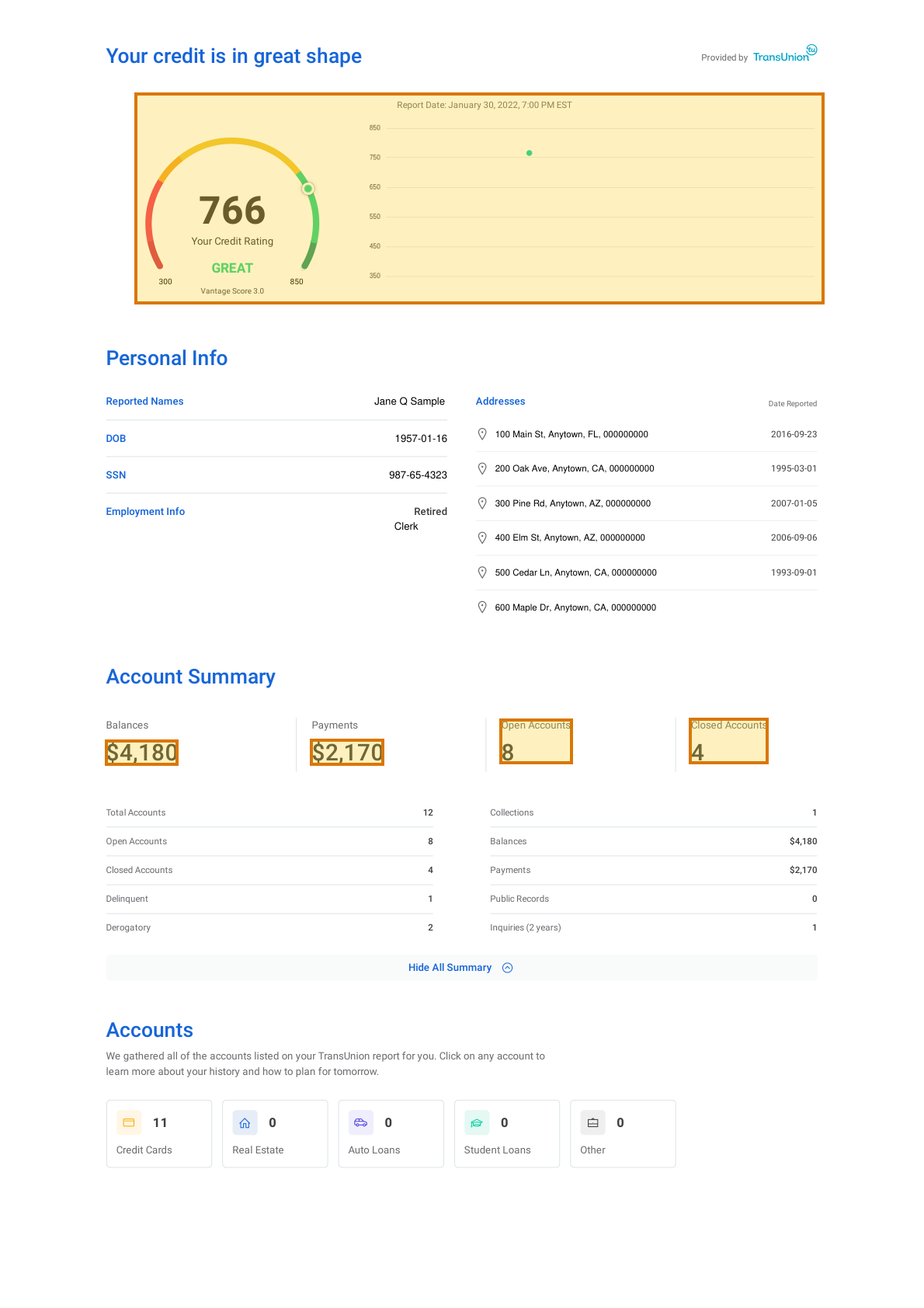
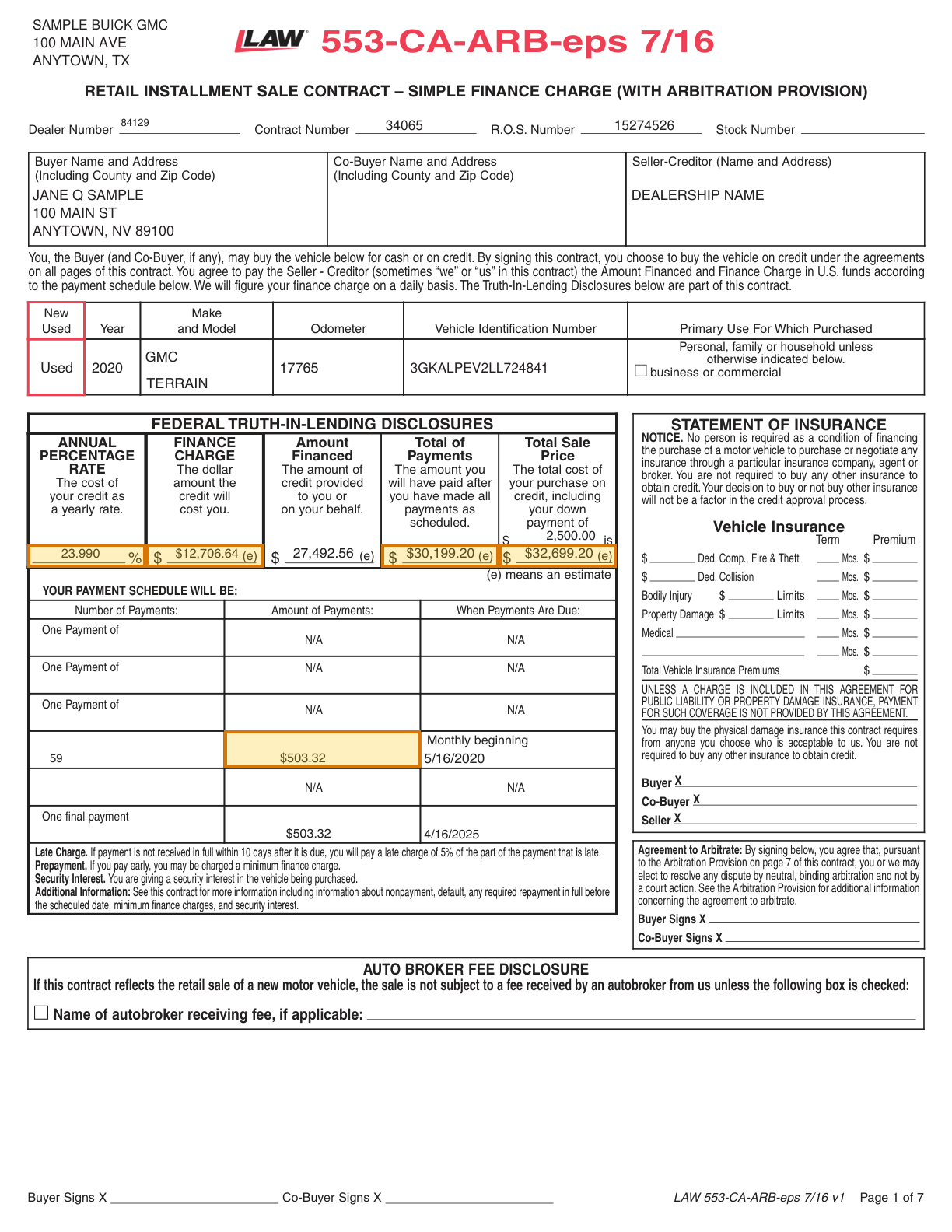
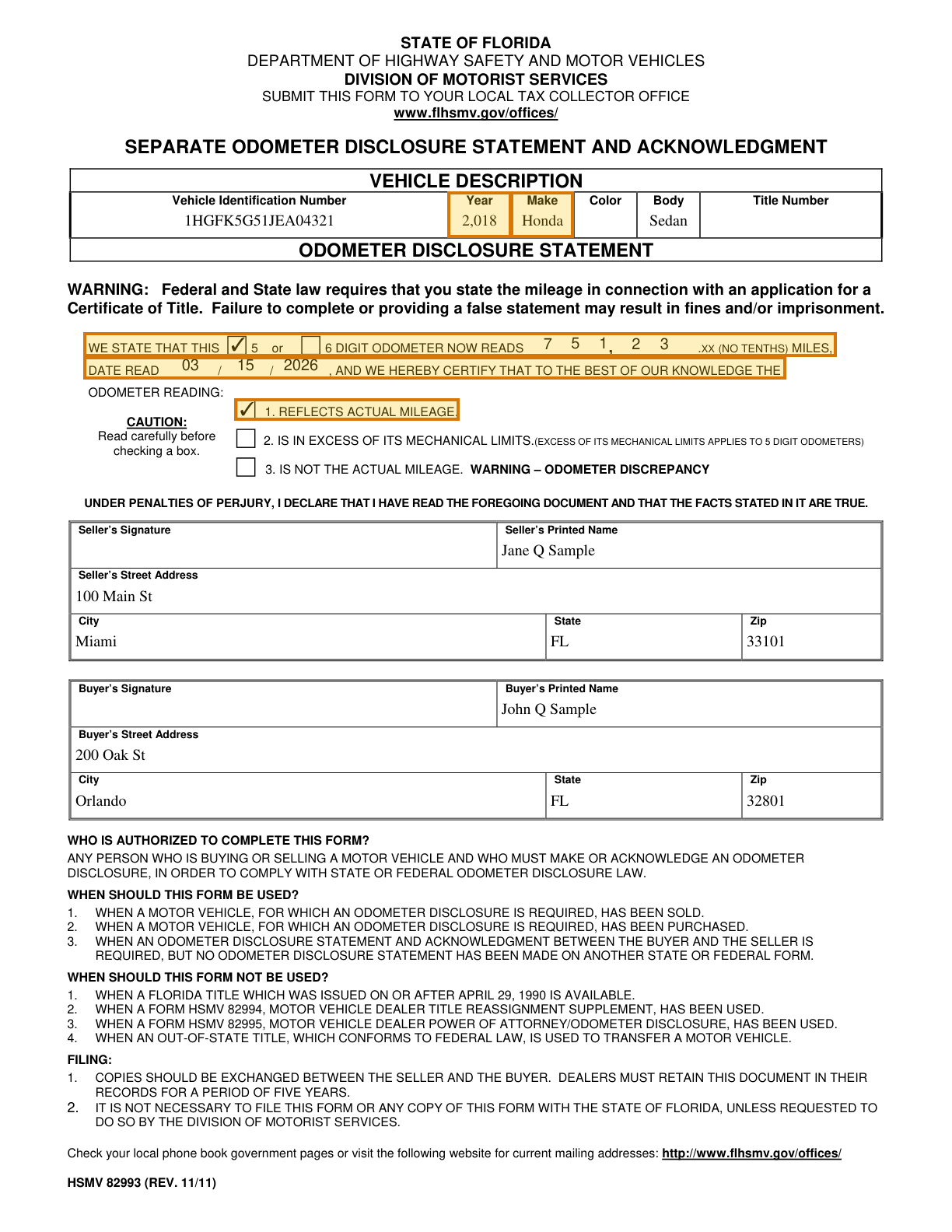
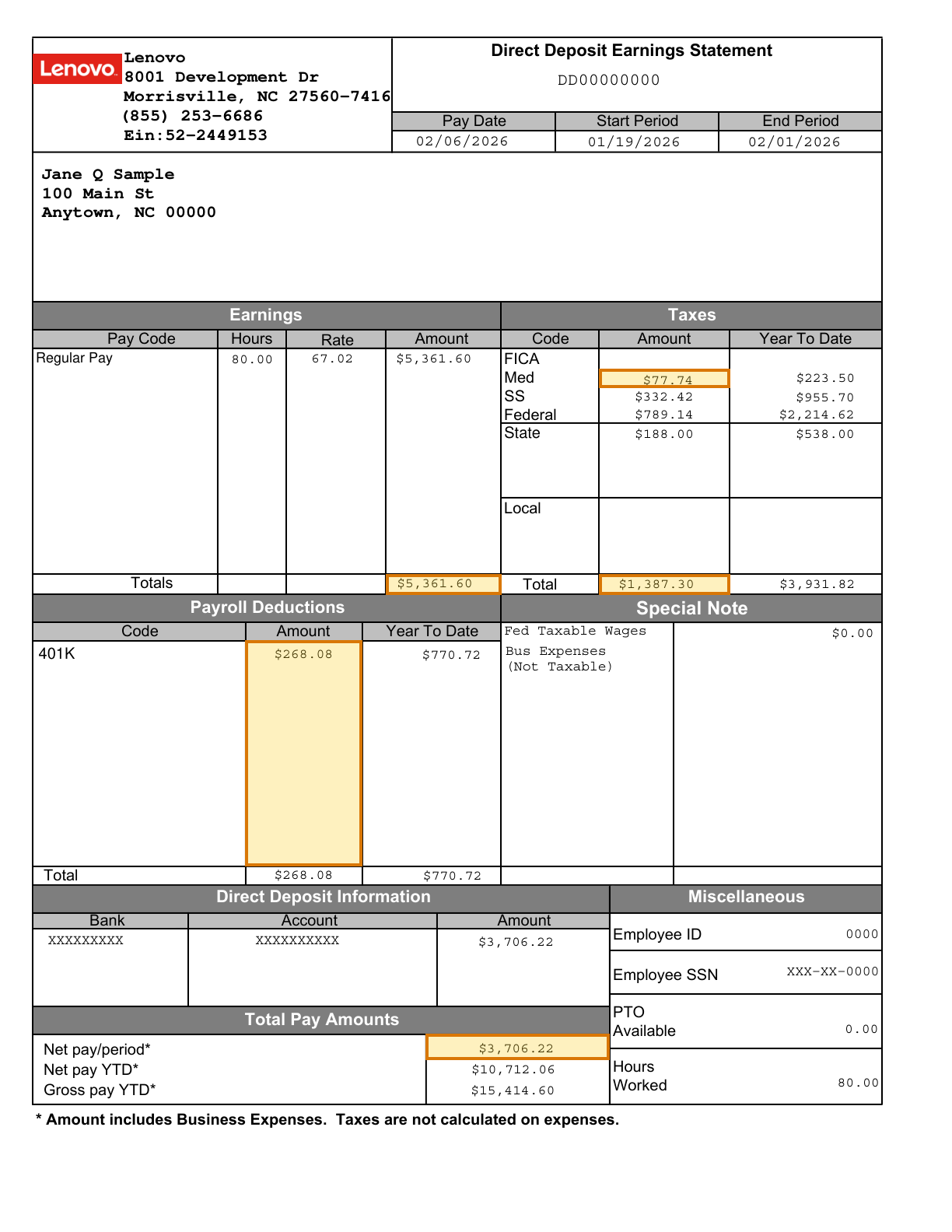
An auto loan funding packet holds the retail installment contract, odometer disclosure and title, plus the stips: pay stubs, bank statements, bills and proof of insurance.

LandingAI transforms documents into highly accurate, verifiable, structured data so teams can reliably automate document-intensive workflows.

The Problem

Why funding packets are slow to clear

One upload, many documents

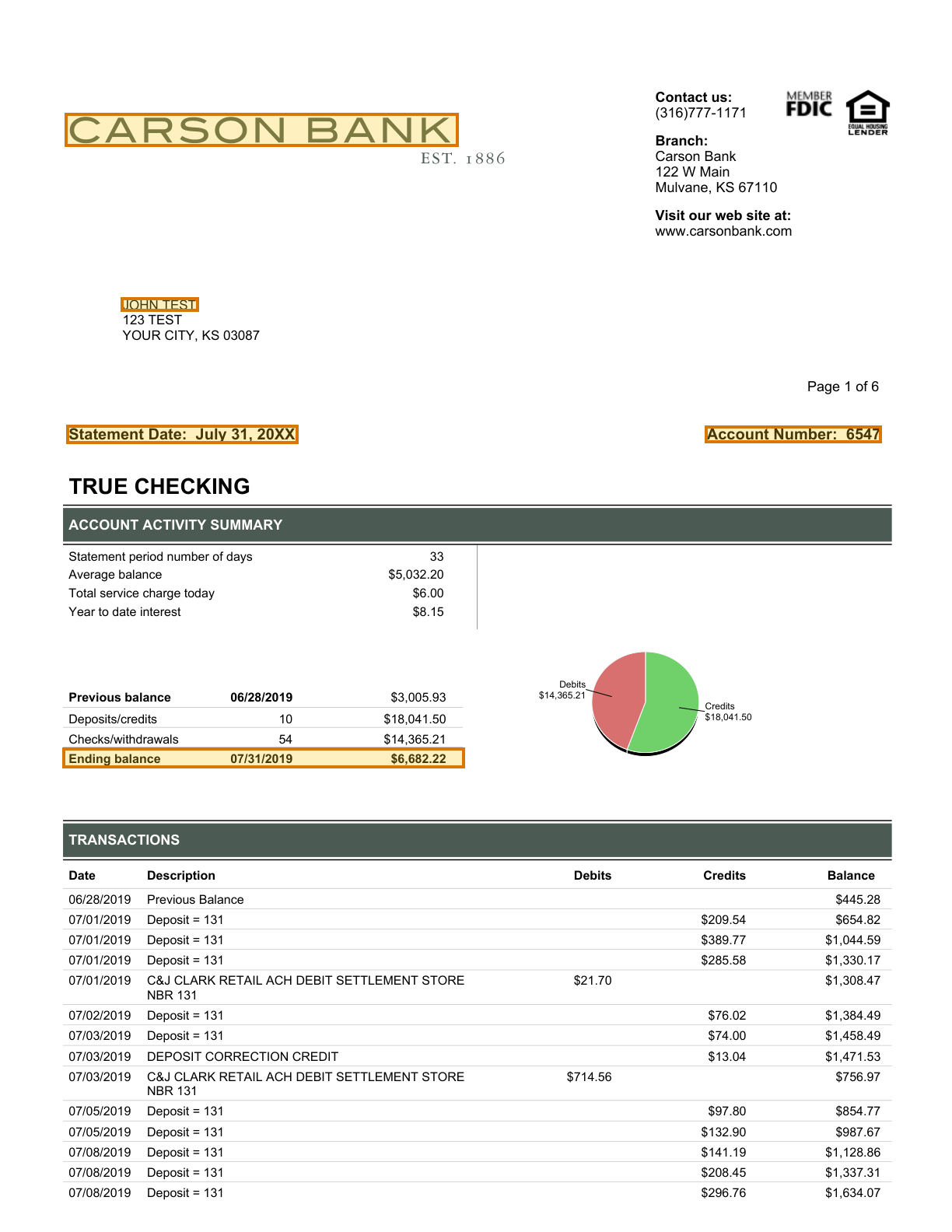
A dealer's packet stacks the contract, title paperwork and insurance with the buyer's pay stubs and bills. Lender checklists name a dozen documents.3

The same values repeat across documents

The buyer's name, address, VIN and amounts appear on the contract, title, license and stips, and every copy has to agree before funding.

Every employer and utility prints its own

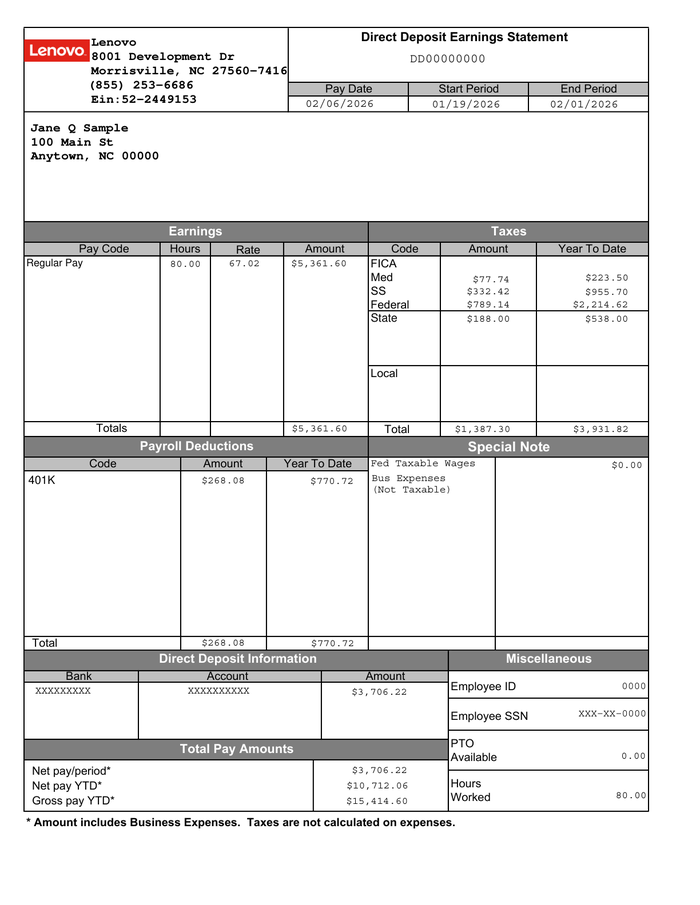
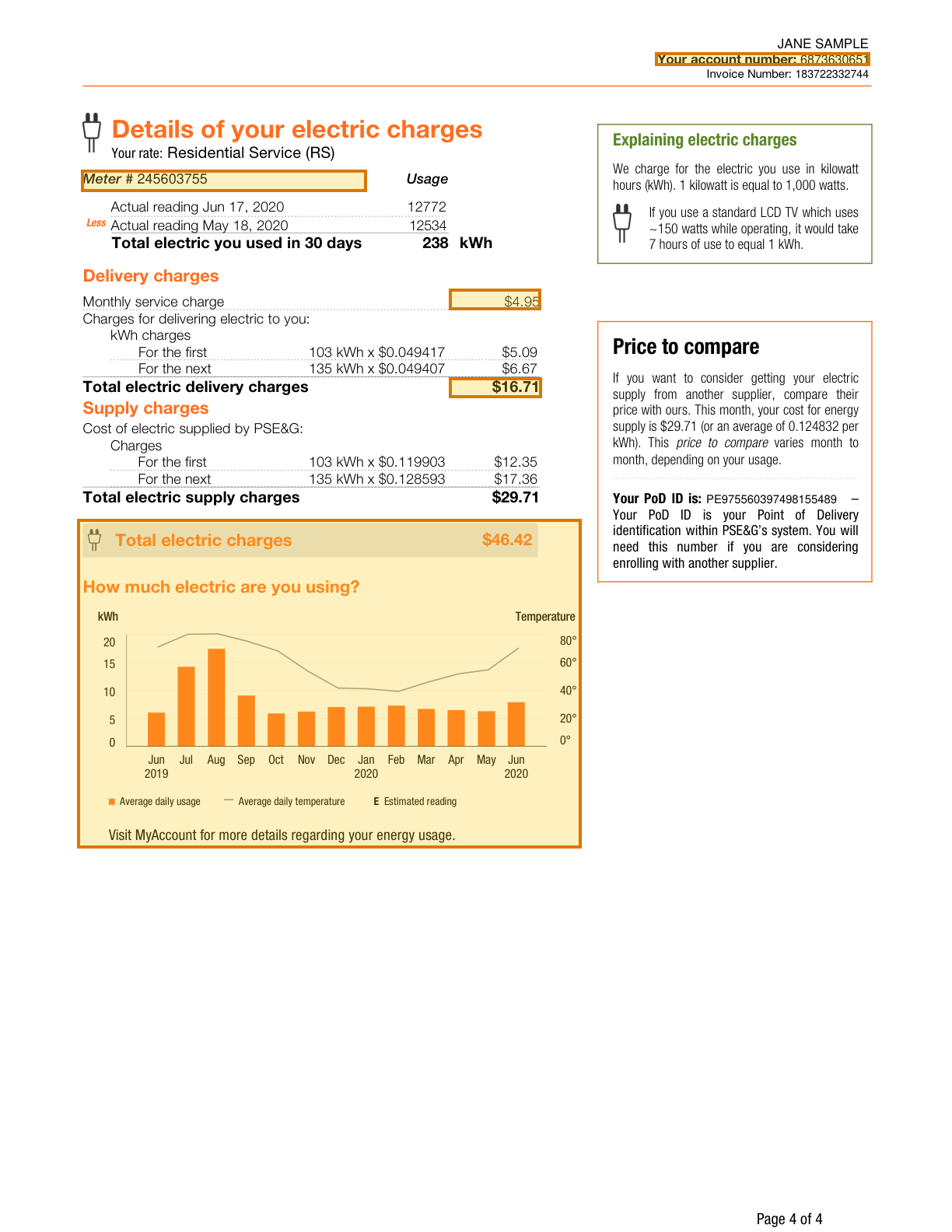
Each employer and utility prints its own layout, often sent as a phone photo, and lenders set recency rules, such as income dated within 30 days.2

One Pipeline

The same pipeline for every document

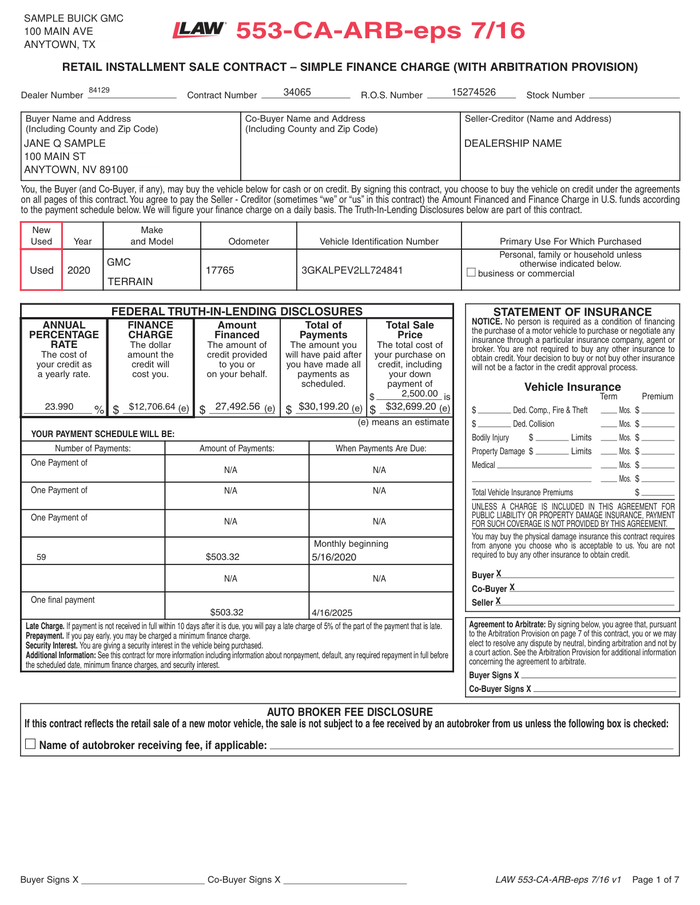
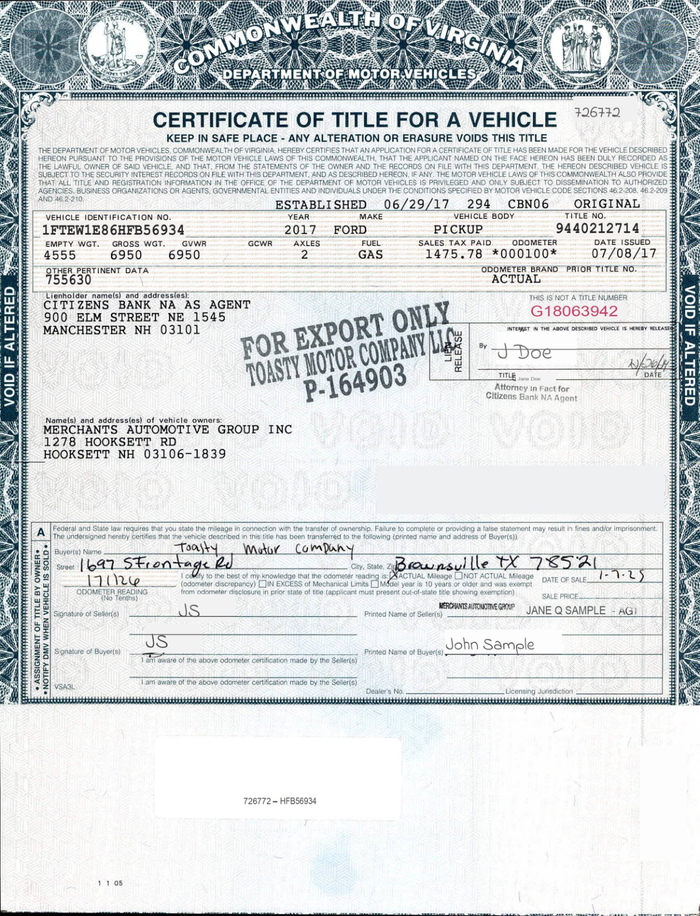
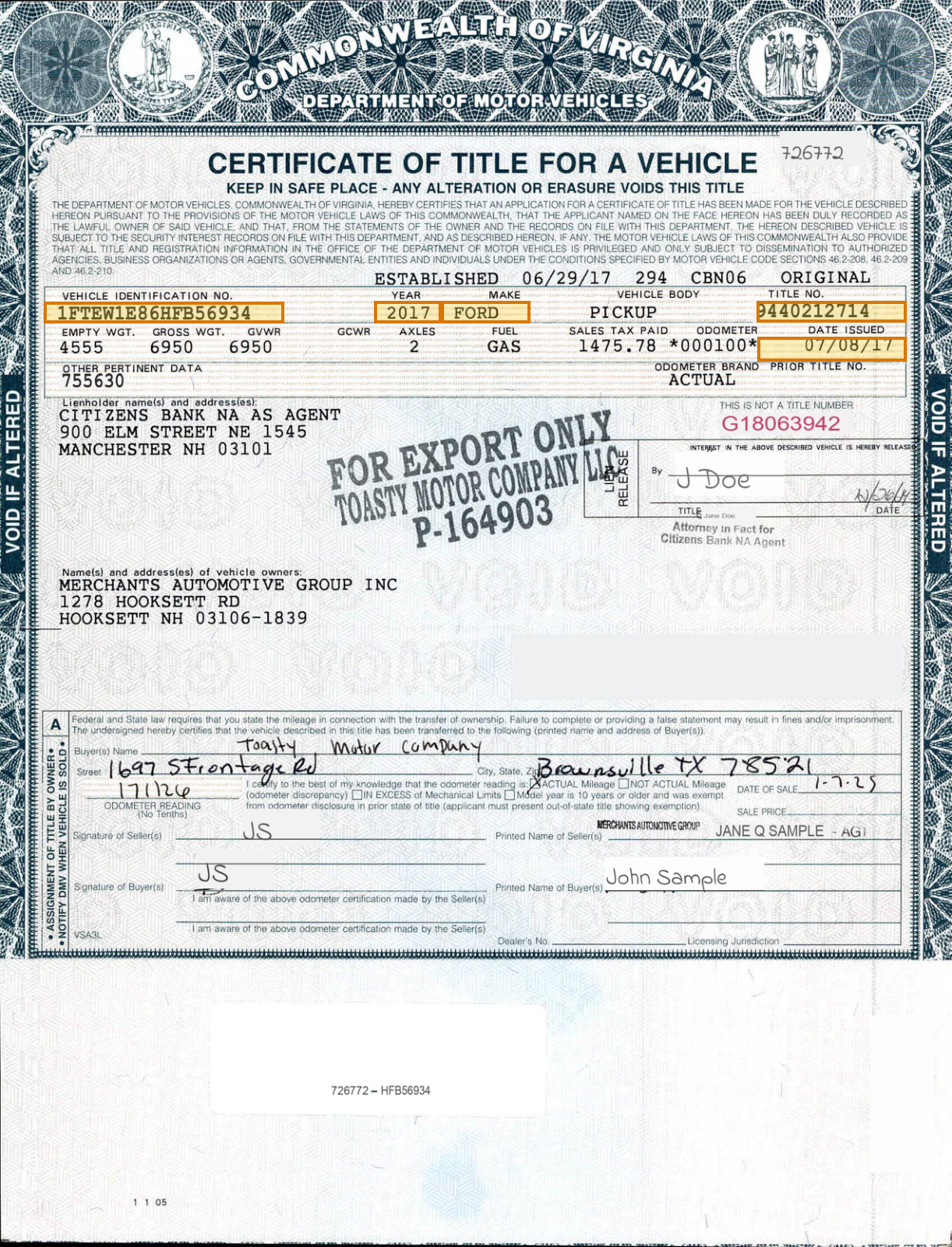
The same Parse call reads a retail installment sale contract, a pay stub and a vehicle title. Every document type uses one set of APIs, with zero templates to build and zero models to train or fine-tune.

  • No templates or training

    A new form, issuer or document type works on its first call, with nothing to configure.

  • Layout changes keep working

    If an issuer redesigns a form or a new version arrives, no pipeline changes are needed.

  • Test a new document in minutes

    Upload a sample in the Playground; agentic reasoning will immediately understand it.

Common pipelines

When documents arrive individually

Classify, then parse and extract each document into a databaseClassifyParseExtractDatabase

When documents arrive as a packet

Parse the packet, split it into documents, and extract each into its own databaseParseSplitExtractDatabaseExtractDatabaseExtractDatabase
How It Works

How it works for funding packets

  1. 1

    Parse the funding packet

    Parse reads the packet the dealer uploads, including the contract's disclosure boxes, scanned titles and phone photos of stips, into structured Markdown.

    Parse API →
  2. 2

    Split it into documents

    Split takes the Parse output and separates the contract, odometer disclosure, title and each pay stub, statement and bill, with the page range of each.

    Split API →
  3. 3

    Extract borrower, vehicle and contract values

    Extract returns names, addresses, income, VINs and contract terms as JSON that matches the schema for each document type.

    Extract API →
  4. 4

    Ground every value

    Ground maps each extracted value to the block, page and bounding box it came from, so a funding analyst checks a name, VIN or income figure on the original page before funding.

    Ground docs →
Specific Documents Involved

The auto loan funding packet

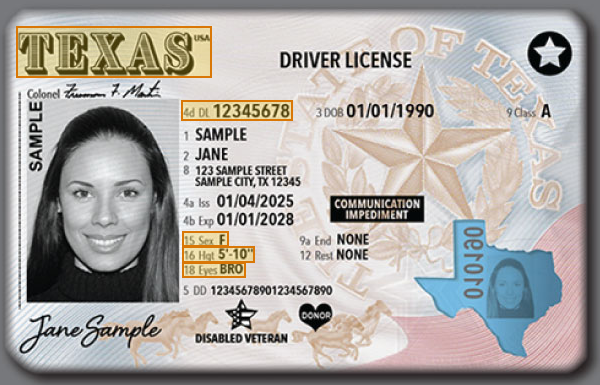
Trusted, high-volume processing of the documents involved in auto lending requires handling diverse document types and layouts. A driver's license is very different from a retail installment sale contract, which is different from a bank statement. The pipeline must provide high accuracy and consistent outputs across all of them.

Our agentic approach is able to reason over each document type and return structured hierarchical Markdown and JSON outputs that downstream systems can rely on.

Worked examples

Each document below links to a worked example. The documents and schemas are available in full on GitHub and you are welcome to use them for your own testing.

Values to Extract

Key fields across the funding packet

FieldSource documentUsed for
APR, amount financed, finance charge and total of paymentsRetail Installment Sale ContractContract terms match the approval
Number of payments and payment amountRetail Installment Sale ContractTerm, payment and payment-to-income
Cash price, net trade-in and total down paymentRetail Installment Sale ContractLoan-to-value and deal structure
Buyer, VIN, model year and makeRetail Installment Sale ContractBorrower and collateral match the stips and title
Title number, VIN, owner and lienholderVehicle TitleLien recorded in the lender's name
VIN, odometer reading and mileage certificationOdometer Disclosure StatementMileage matches the contract and title
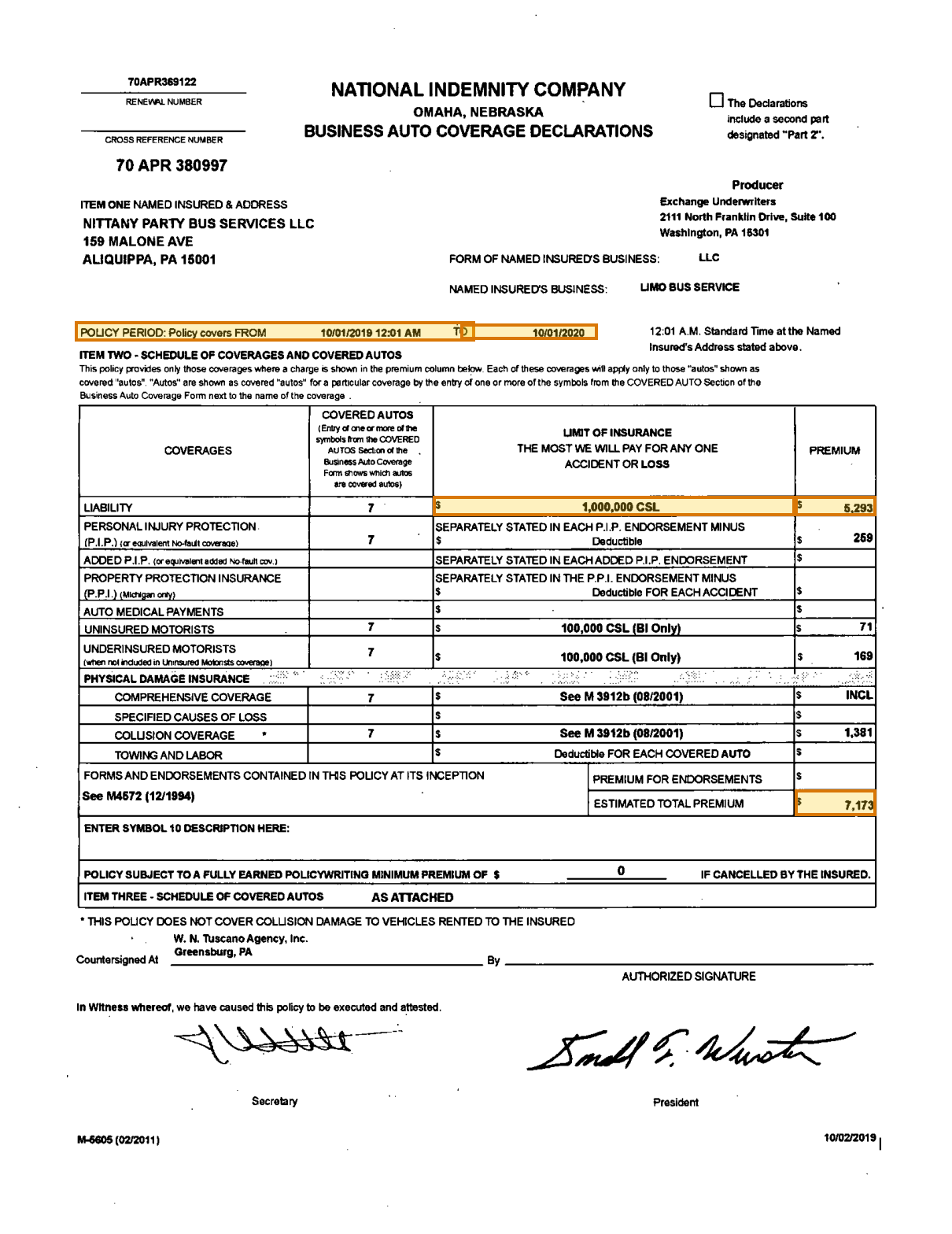
Insurer, named insured and policy periodAuto Policy Declarations PageCoverage in force at funding
Coverage and limitAuto Policy Declarations PageRequired coverage is on the policy
Name, date of birth, issuing state and expirationDriver's LicenseIdentity matches the application and contract
Credit score and total monthly paymentsCredit ReportCredit tier and payment-to-income
Creditor, account type and payment statusCredit ReportPrior auto credit history
Employer, pay date, gross pay and year-to-date gross payPay StubStated income and how recent the stub is
Account holder, statement period and total depositsBank StatementSelf-employed income and residence
Account holder, service address and bill dateUtility BillResidence stip
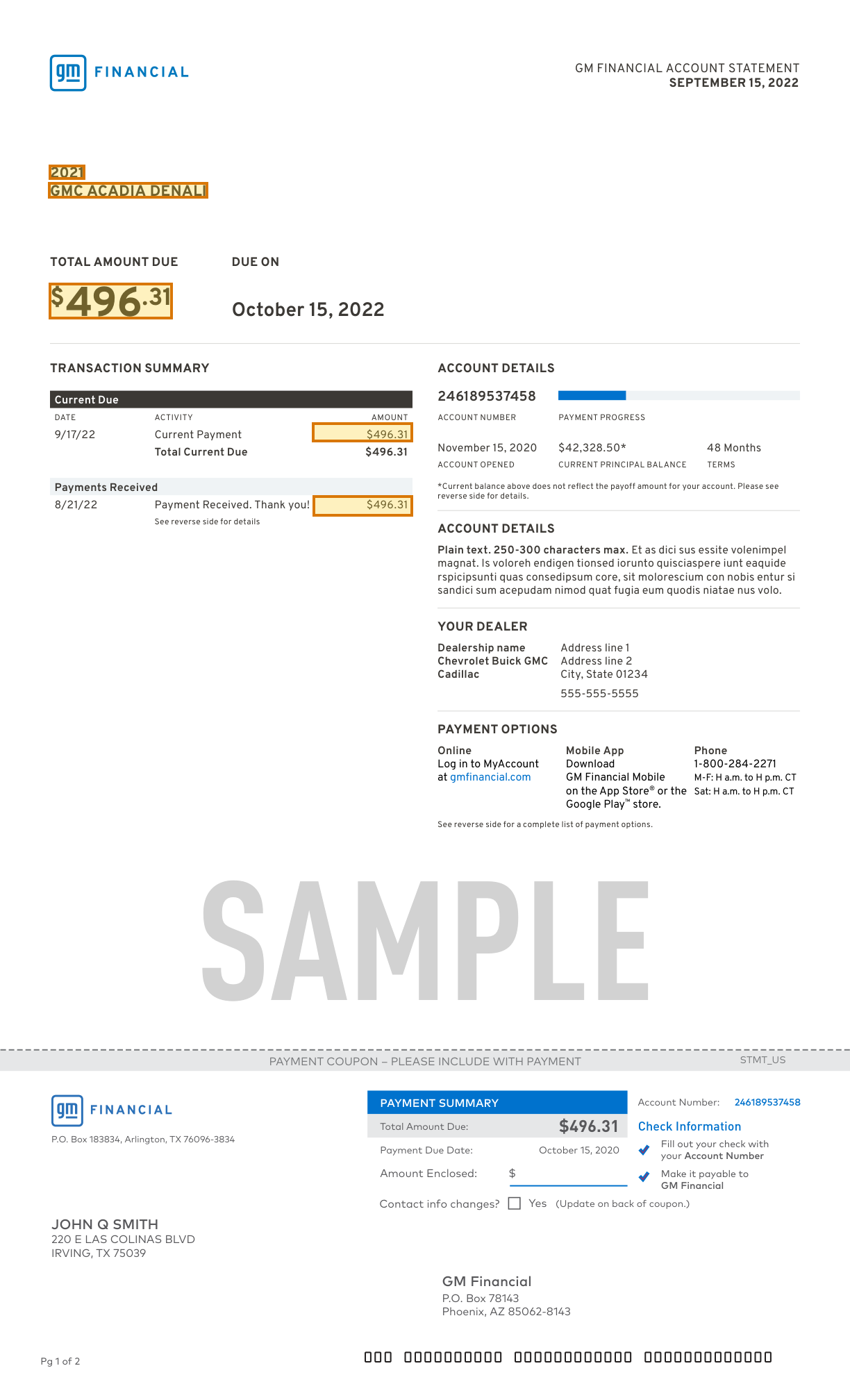
Lender, vehicle and principal balanceAuto Loan StatementTrade-in or refinance payoff
Employer and wagesW-2 FormAnnual income
Total income and adjusted gross incomeForm 1040Variable or self-employed income
Metrics

Business impact

Funding leaders measure document work in three places: how many approved deals fund, what each packet costs to review and how many funded loans carry a mismatch.

RevenueApproved deals funded up
BeforeWith ADE

Fund more approved deals while the buyer is still at the dealership

An approved deal that waits on a kickback can still go to another lender. When contracts and stips are read in minutes, a packet reaches a funding analyst the same day, and fewer deals stall before funding.

$211 billionin new US auto loan originations in the second quarter of 20261
CostReview time per funding packet down
BeforeWith ADE

Cut the hours analysts spend matching stips to the contract

Funding analysts read the same name, VIN and amounts on the contract, title and stips. Extracting each value once, with its source attached, lets them check the packet against the approval and open a page only where a value disagrees.

RiskLoans funded on mismatched documents down
BeforeWith ADE

Fund every loan on documents that agree with the application

Misstated income and mismatched names or VINs that get past funding become servicing and title problems later. Grounded values let rules and analysts compare each stip with the application and contract before the dealer is paid.

Why LandingAI?

Documents into data

Accurate

The best accuracy on the difficult documents other tools get wrong, such as messy scans, complicated tables, checkboxes and handwriting.

Auditable

Every answer cites its sources. Values come back with an audit trail (page, bounding box, character range) so a human can review them.

Agentic

Applies multi-step reasoning, and plans before it acts. Handles documents it has never seen before and adapts to variations.

API-first

Composable APIs that drop into any tech stack and can be called from anywhere. Easy to build on and embed in your pipelines and products.

Affordable

Cost-competitive rates with complete price transparency. Spend controls before you run, and every job reports its exact cost.

Enterprise-grade

Built for production and scale from day one. Fully observable and monitored, running securely in our cloud or yours.

Built for high-volume, high-throughput production

  • Zero data retention
  • Priority rate limits
  • Enhanced support
  • VPC and on-prem deployment

Available on Team and Enterprise plans. VPC and on-prem deployment require an Enterprise plan.

Compare plans
Related

Explore related pages

FAQ

Questions, answered

Yes. Split takes the Parse output of the packet and returns each document with its page range, such as the contract, the odometer disclosure, the title and each pay stub and bill. A Split rule can also give a type an identifier, such as a pay date, so two pay stubs come back as two documents with their own fields.

Yes. Parse accepts JPEG, PNG, WEBP and TIFF images as well as PDFs, so a photo of a pay stub or utility bill goes through the same pipeline as a scanned contract. One schema per document type reads every employer's stub and every utility's bill, and each value is grounded to its location on the image.

Define the APR, finance charge, amount financed and total of payments as number fields in the contract schema, along with the payment schedule. Each value comes back from its own box in the disclosure, so a funding rule can compare the contract with the approval before the dealer is paid.

Extraction returns the VIN, buyer name and address from each document as separate fields, so rules can compare the contract, the title, the license and the stips value by value. Any mismatch points to the two pages it came from, and the funding analyst opens only those.

Every value returns with its page number, a bounding box and a character range in the parsed text. A review screen draws the box on the original page, so the analyst sees the exact line of the pay stub or contract box behind a flagged income figure, VIN or payment.

Zero Data Retention (ZDR) is available on Team and Enterprise plans in the US and EU regions. With ZDR on, documents and results are not stored after processing and are not used for training. LandingAI is SOC 2 Type II certified, and its security documentation is in the Trust Center at trust.landing.ai.

Yes. On the Enterprise plan, Agentic Document Extraction runs as a containerized application in your own AWS, Azure or Google Cloud environment, or on premises. Documents and results stay inside the boundary your security team controls, and the same APIs run there. The network boundary, support access and operating model are agreed during Enterprise scoping.

Start Extracting in Minutes, Not Months

Production-ready AI extraction pipeline with document understanding.

Sources

  1. Federal Reserve Bank of New York, Household Debt and Credit Report (August 2026)
  2. Carvant Financial, Dealer Funding Checklist
  3. STCU, Dealership Loan Packet Checklist