Take a live AI-guided product tour with Lando.Launch AI demo
Use case

Private equity due diligence, traced to source

A private equity data room holds the CIM, audited financials, the quality of earnings report, the cap table and material contracts. Deal teams check each figure on its source page.

LandingAI transforms documents into highly accurate, verifiable, structured data so teams can reliably automate document-intensive workflows.

The Problem

Why a data room is slow to read

A data room holds thousands of files

A private target's data room averages 7,583 files, filed in folders the seller named. Financials, contracts, scans and slide decks sit side by side.1

One figure, many layouts

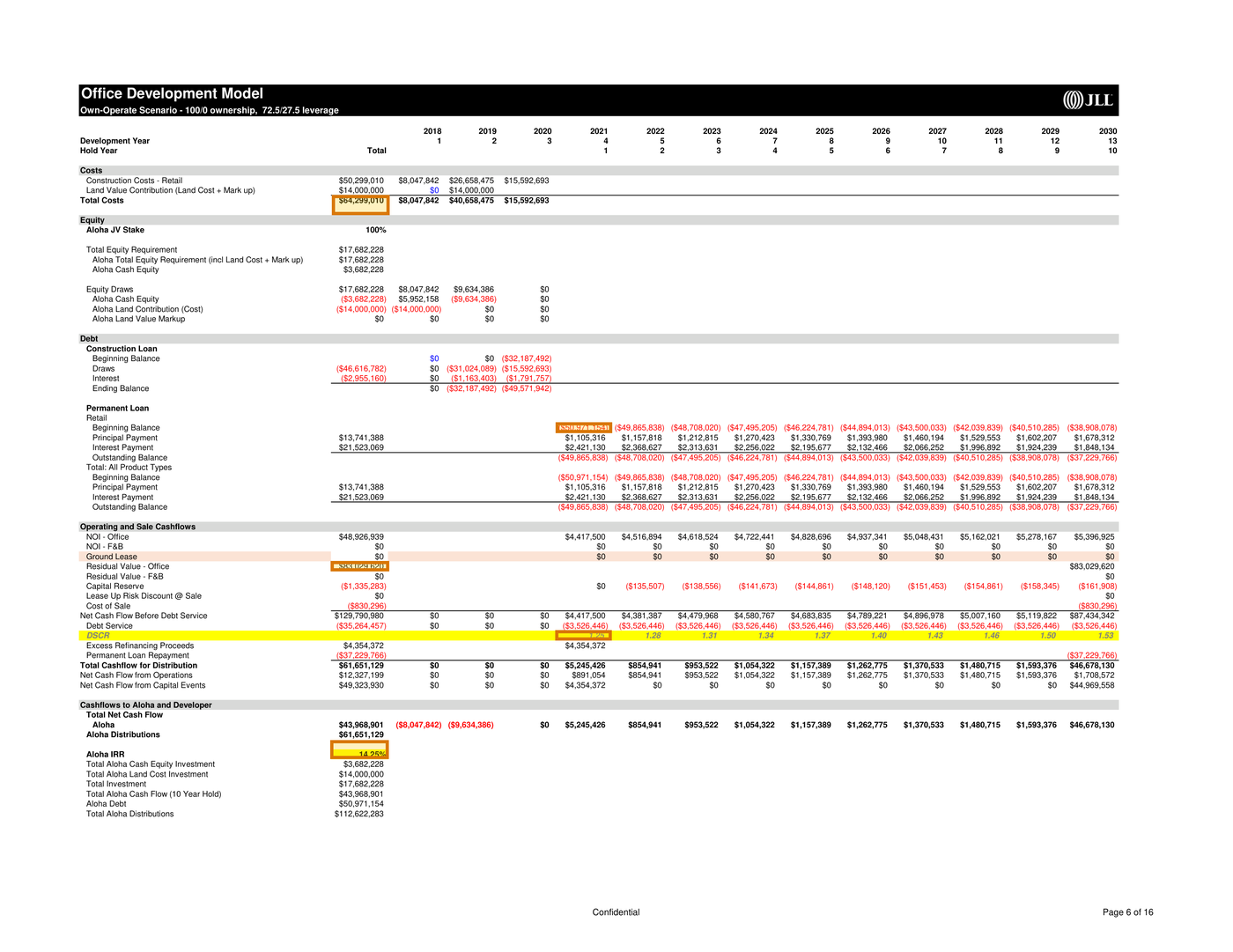
Revenue and EBITDA appear in the CIM, the monthly profit and loss statement, the audited statements and the quality of earnings report, and each one lays them out differently.

Working capital sets the final price

Working capital adjustments appear in more than 90% of private-target deals. Values from aging reports and balance sheets set the peg that the post-close true-up is measured against.4

One Pipeline

The same pipeline for every document

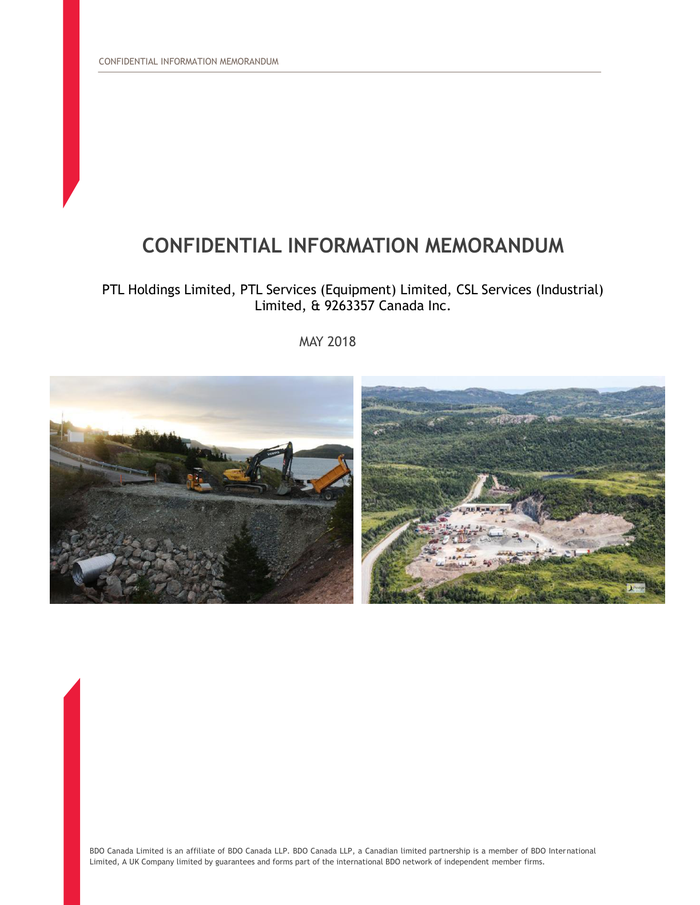
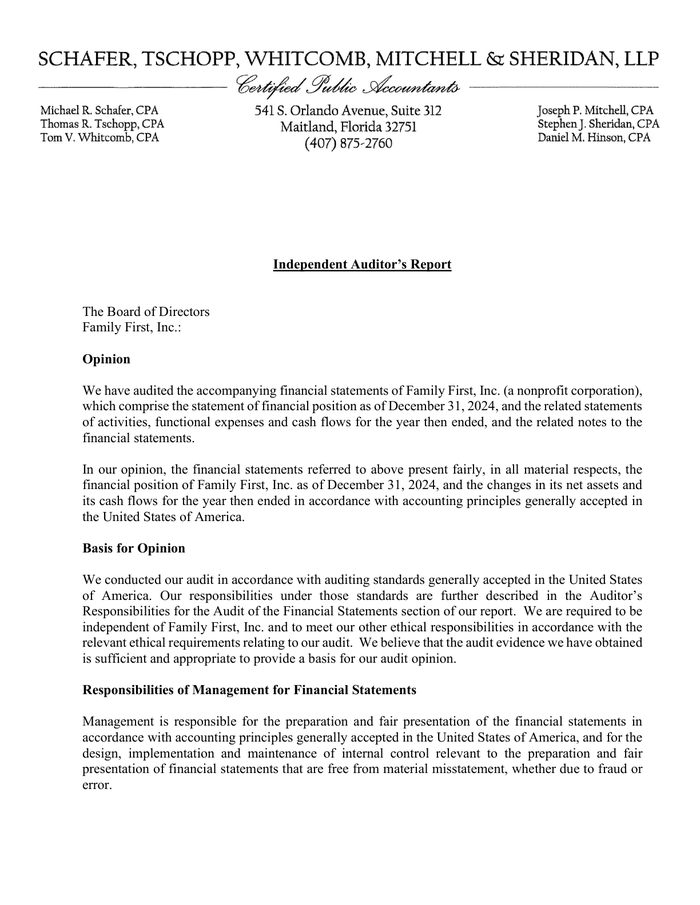
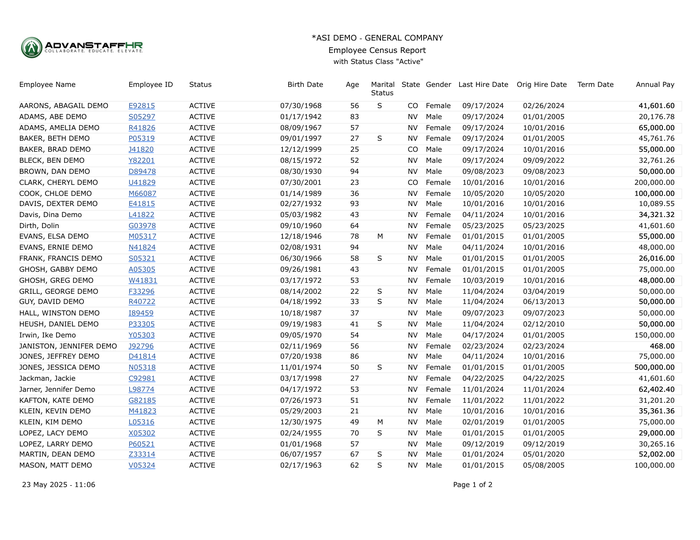
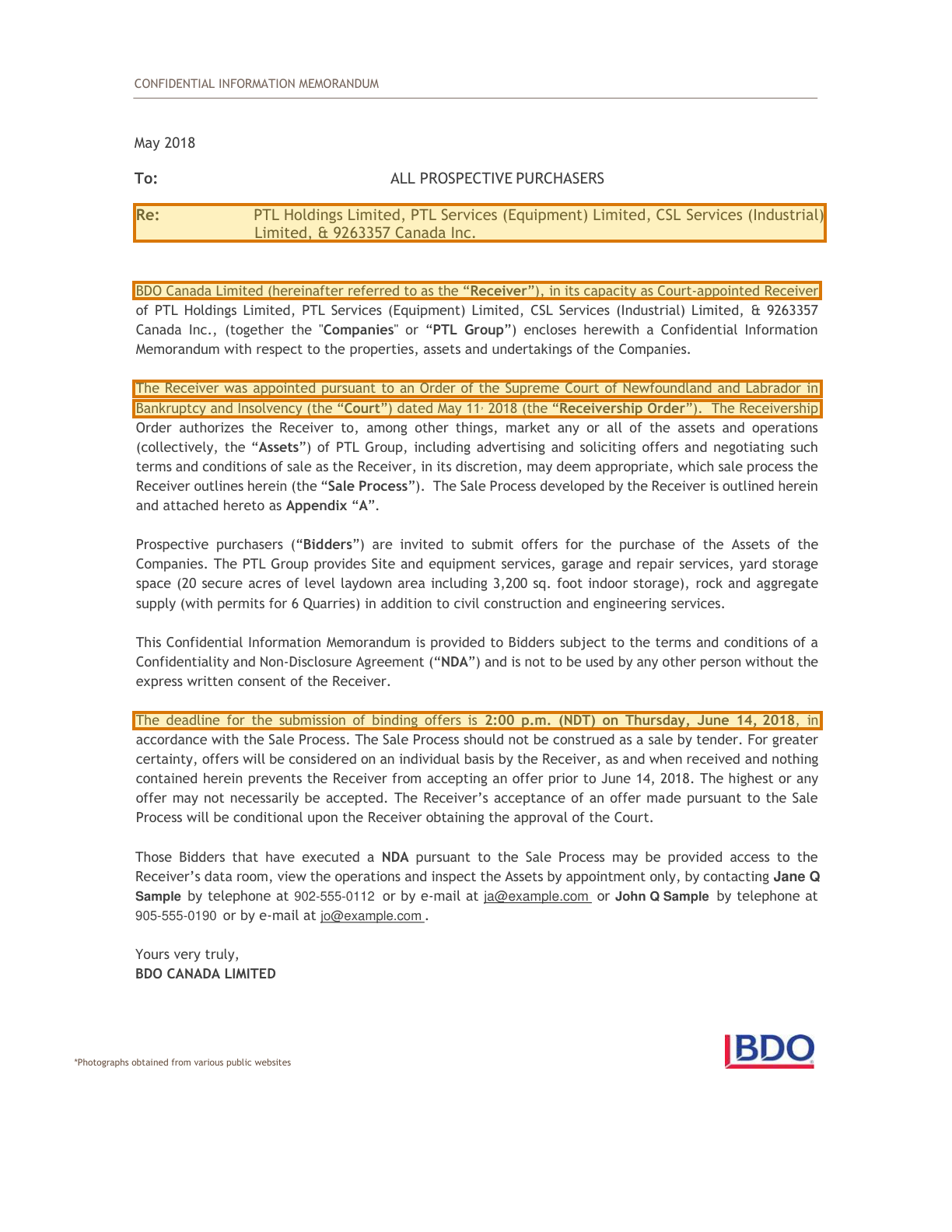
The same Parse call reads a confidential information memorandum, an audited financial statement and an employee census. Every document type uses one set of APIs, with zero templates to build and zero models to train or fine-tune.

  • No templates or training

    A new form, issuer or document type works on its first call, with nothing to configure.

  • Layout changes keep working

    If an issuer redesigns a form or a new version arrives, no pipeline changes are needed.

  • Test a new document in minutes

    Upload a sample in the Playground; agentic reasoning will immediately understand it.

Common pipelines

When documents arrive individually

Classify, then parse and extract each document into a databaseClassifyParseExtractDatabase

When documents arrive as a packet

Parse the packet, split it into documents, and extract each into its own databaseParseSplitExtractDatabaseExtractDatabaseExtractDatabase
How It Works

How it works for data room documents

  1. 1

    Classify data room files

    Classify labels each file in a data room export, so CIMs, financial statements, contracts and certificates each go to the schema built for them.

    Classify API →
  2. 2

    Parse every page

    Parse reads slide decks, scanned agreements, financial tables and charts into structured Markdown, page by page.

    Parse API →
  3. 3

    Section long agreements

    Section takes the Parse output of a long credit agreement or CIM and builds a table of contents, so definitions, schedules and financial sections can be found by heading.

    Section API →
  4. 4

    Extract the deal values

    Extract returns the values your model and diligence tracker read, such as adjusted EBITDA, share counts and lease terms, as JSON that matches your schema.

    Extract API →
  5. 5

    Ground every value

    Ground maps each extracted value to the block, page and bounding box it came from, so an associate checks a figure on the source document before it reaches the investment committee memo.

    Ground docs →
Specific Documents Involved

The private equity data room

Trusted, high-volume processing of the documents involved in private equity due diligence requires handling diverse document types and layouts. A capitalization table is very different from a credit agreement, which is different from a certificate of insurance. The pipeline must provide high accuracy and consistent outputs across all of them.

Our agentic approach is able to reason over each document type and return structured hierarchical Markdown and JSON outputs that downstream systems can rely on.

Worked examples

Each document below links to a worked example. The documents and schemas are available in full on GitHub and you are welcome to use them for your own testing.

Values to Extract

Key fields across the data room

FieldSource documentUsed for
Revenue, gross margin and normalized EBITDA by periodConfidential Information MemorandumScreening model and the indication of interest
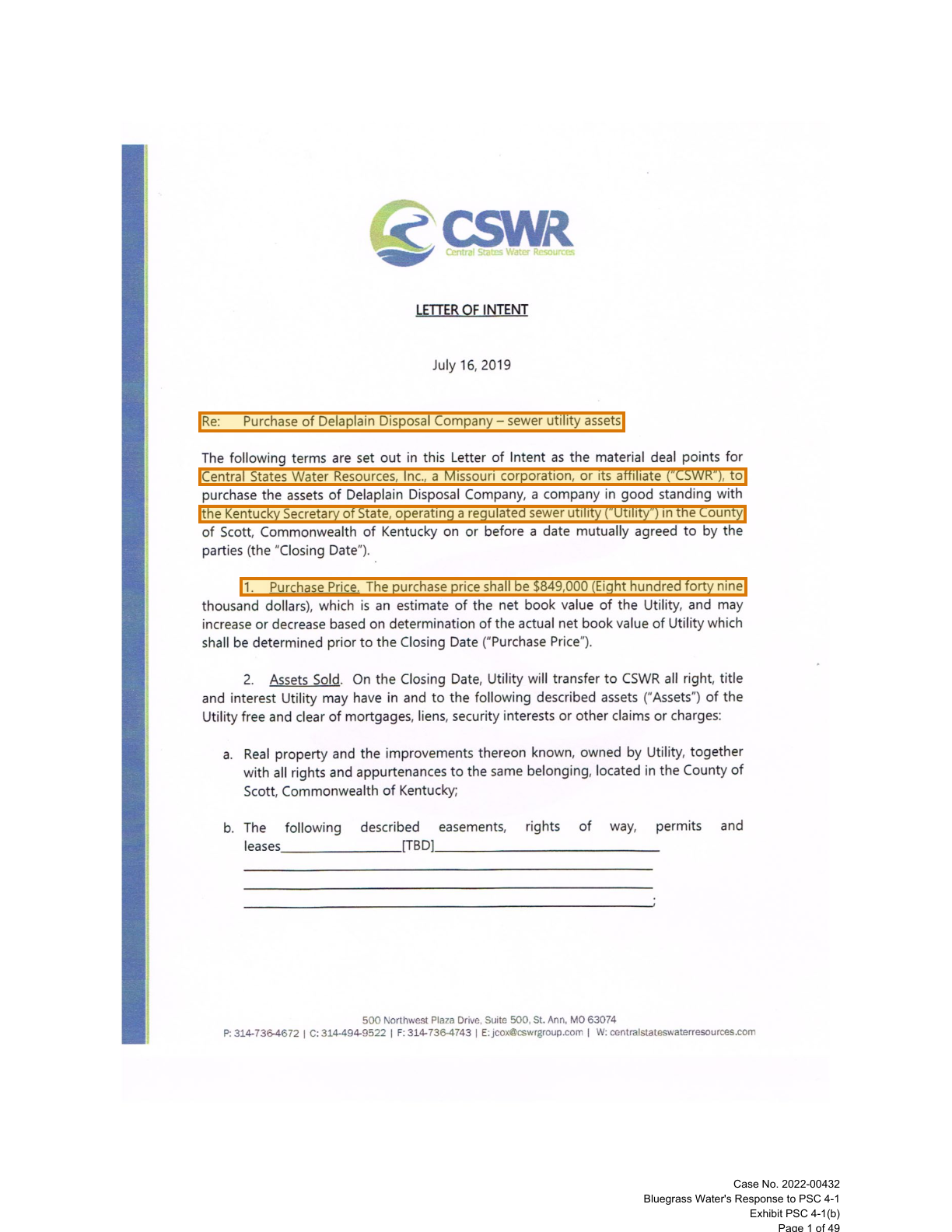
Buyer, target, purchase price and exclusivityLetter of IntentDeal terms carried into the purchase agreement
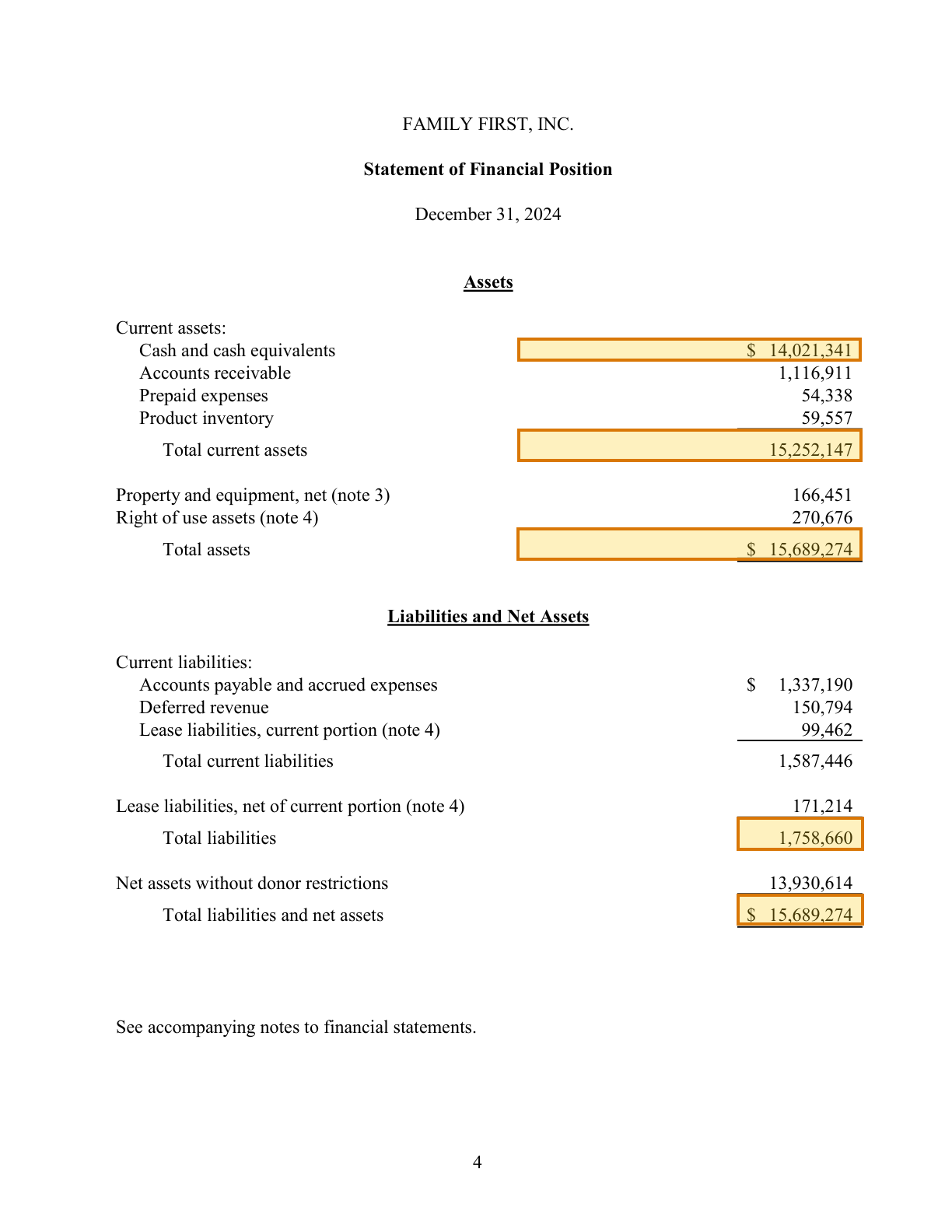
Total assets and total liabilitiesAudited Financial StatementBalance sheet and debt-like items
Total revenues, total expenses and operating cash flowAudited Financial StatementTie-out against the CIM and the quality of earnings report
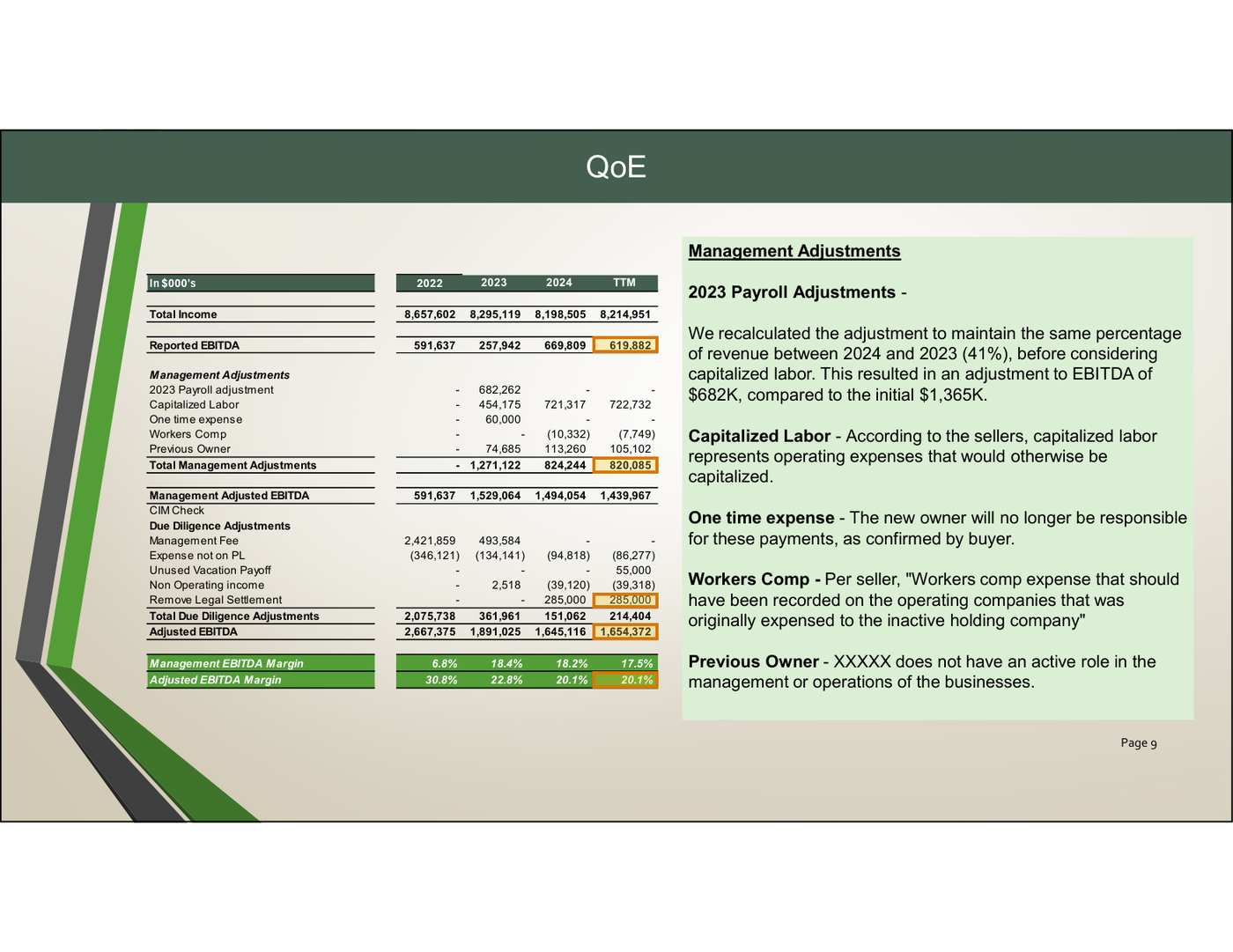
Reported and adjusted EBITDA by periodQuality of Earnings ReportValuation basis
Adjustment, category and amountQuality of Earnings ReportWhich add-backs the sponsor accepts
Average net working capitalQuality of Earnings ReportWorking capital peg in the purchase agreement
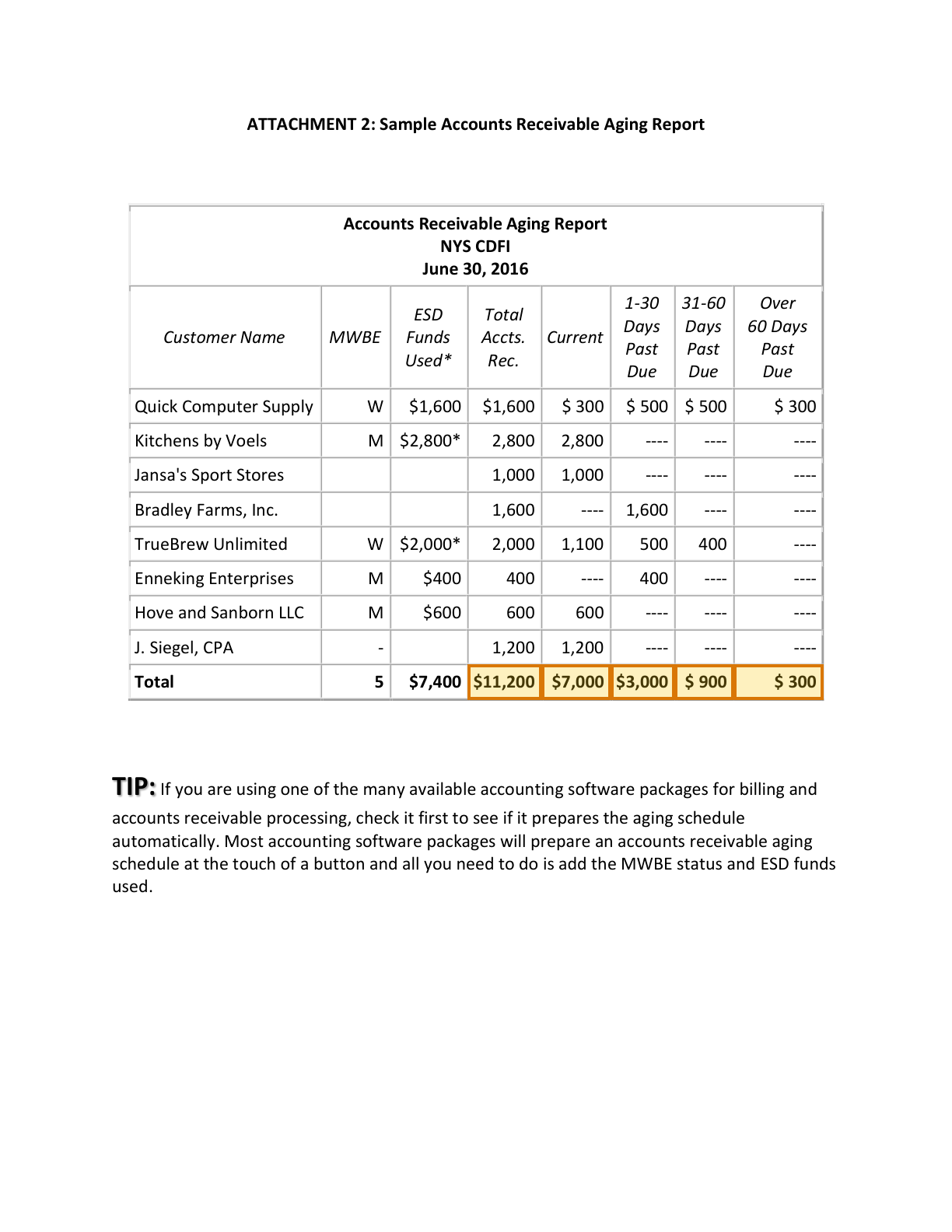
Total balance and each aging bucketAR and AP Aging ReportWorking capital peg and bad debt reserve
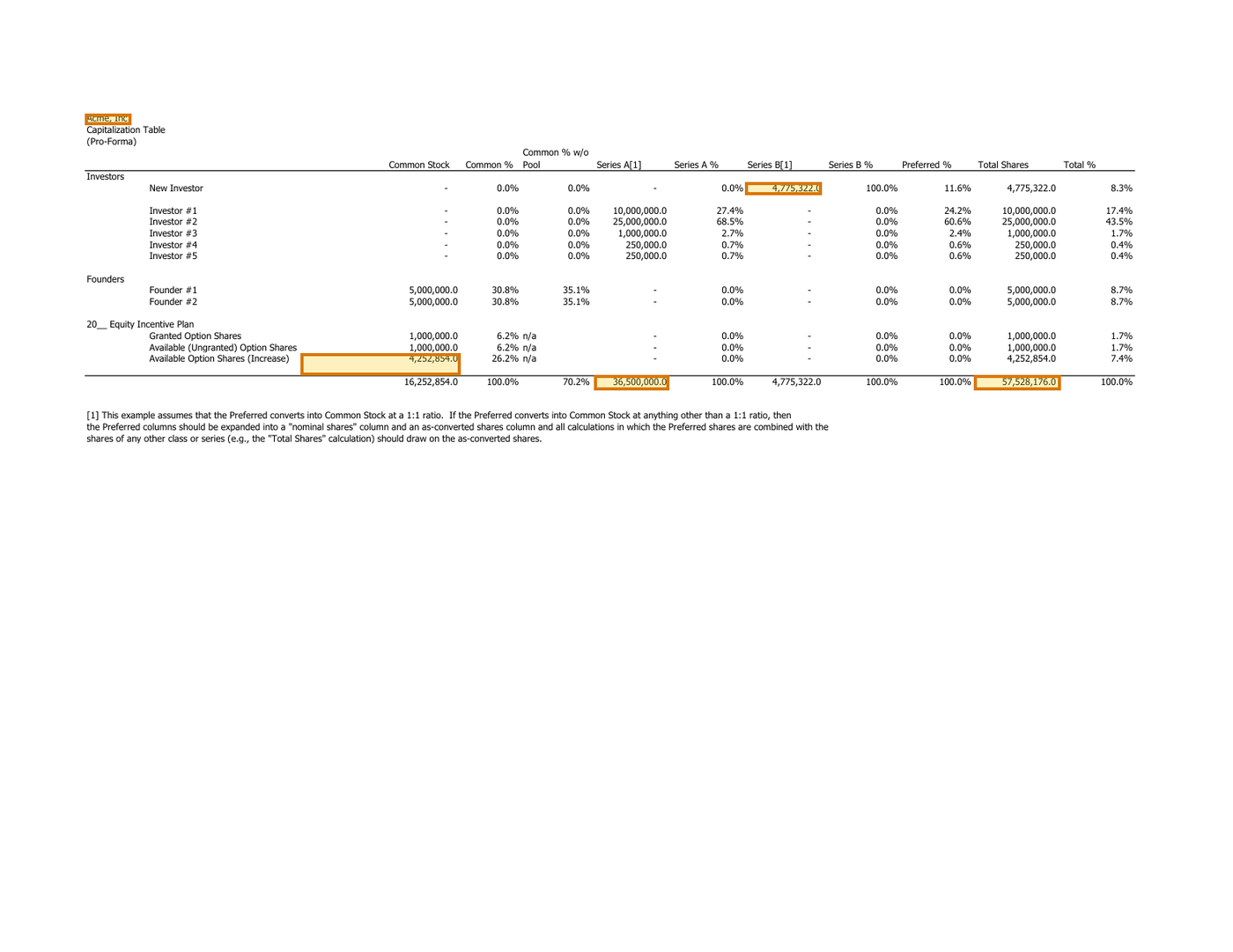
Holder, total shares and ownership percentCapitalization TableOwnership, rollover and proceeds waterfall
Fully diluted sharesCapitalization TablePrice per share
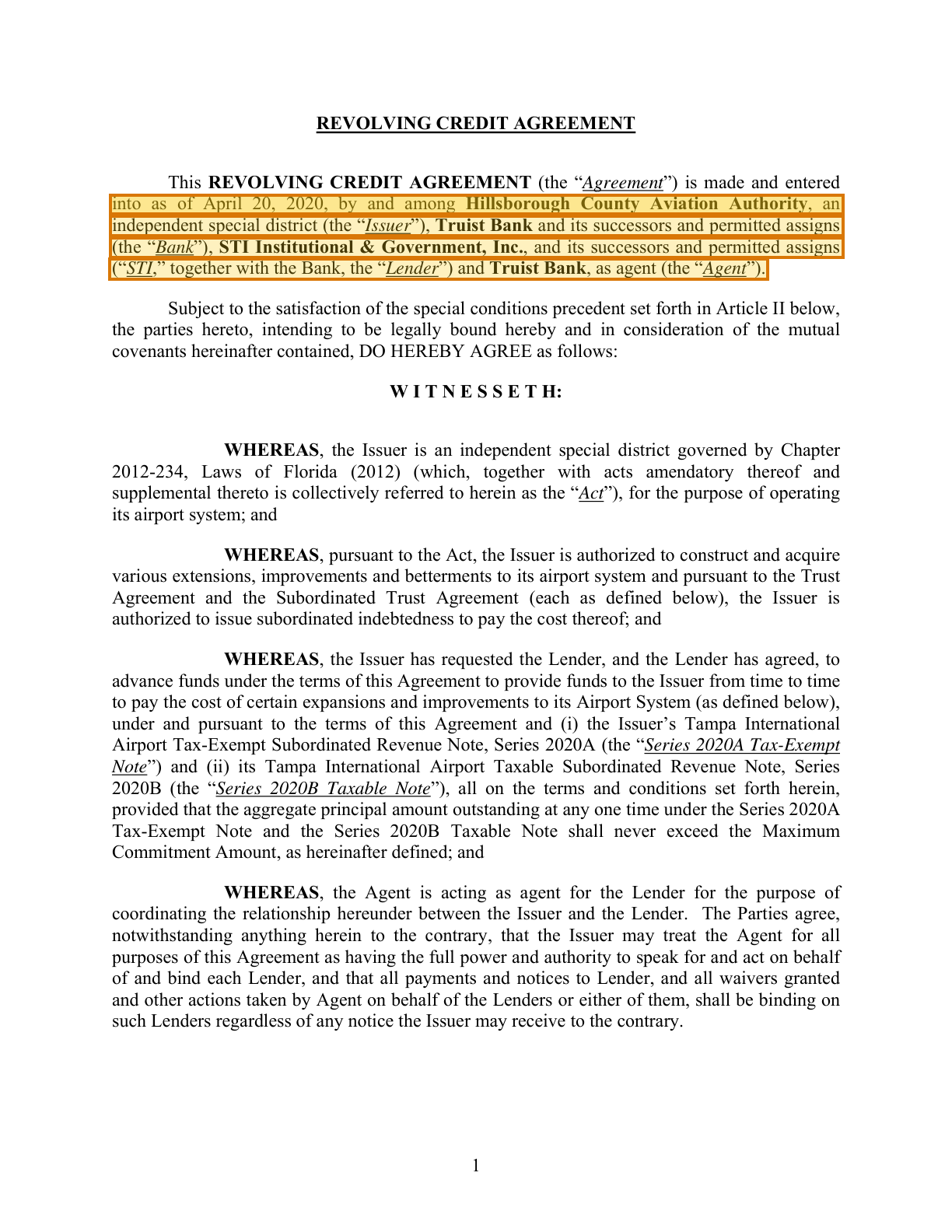
Borrower, lenders and maximum commitmentCredit AgreementDebt to repay or refinance at close
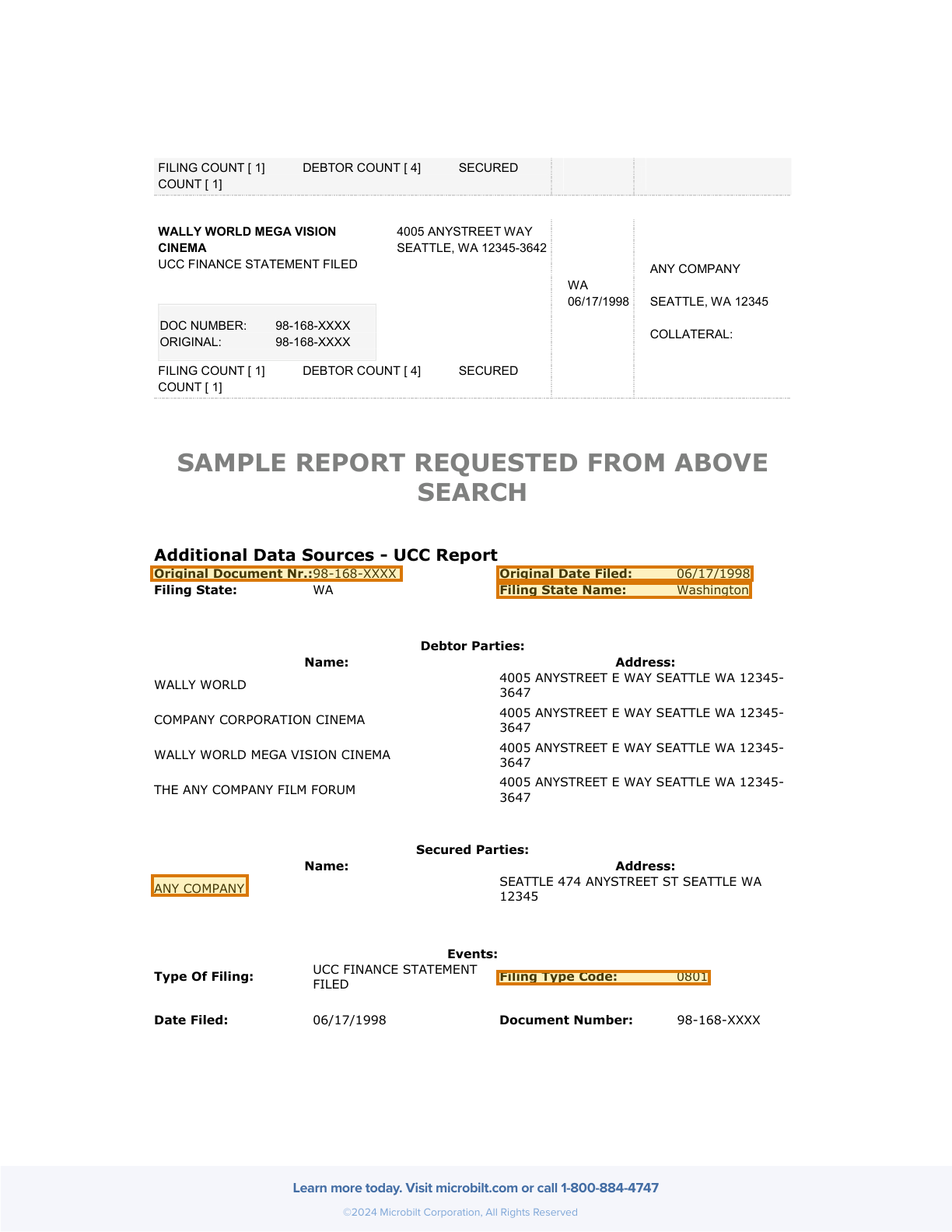
Debtor, secured party, filing date and collateralUCC Lien SearchLiens to release at closing
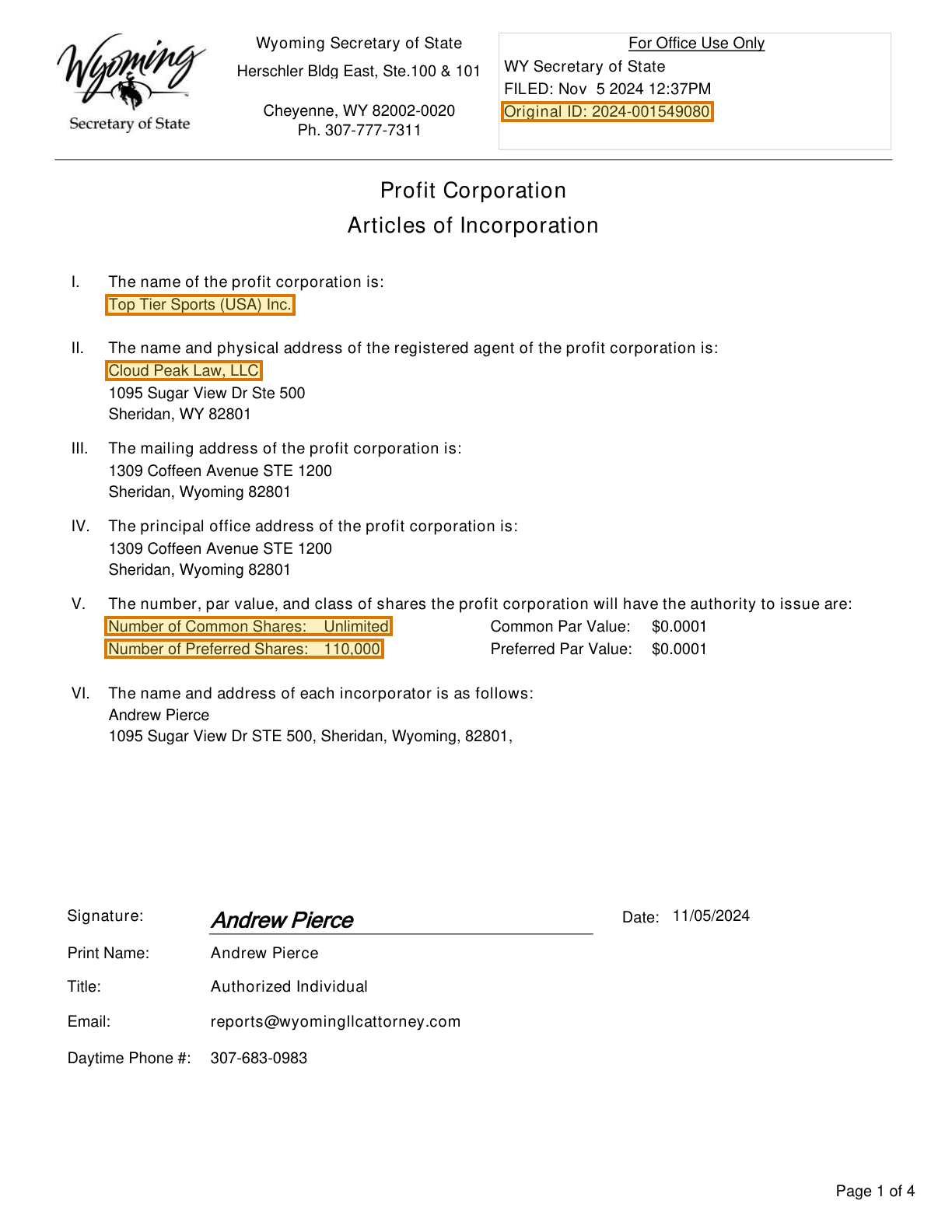
Corporation name, state and authorized shares by classArticles of IncorporationEntity structure, checked against the cap table
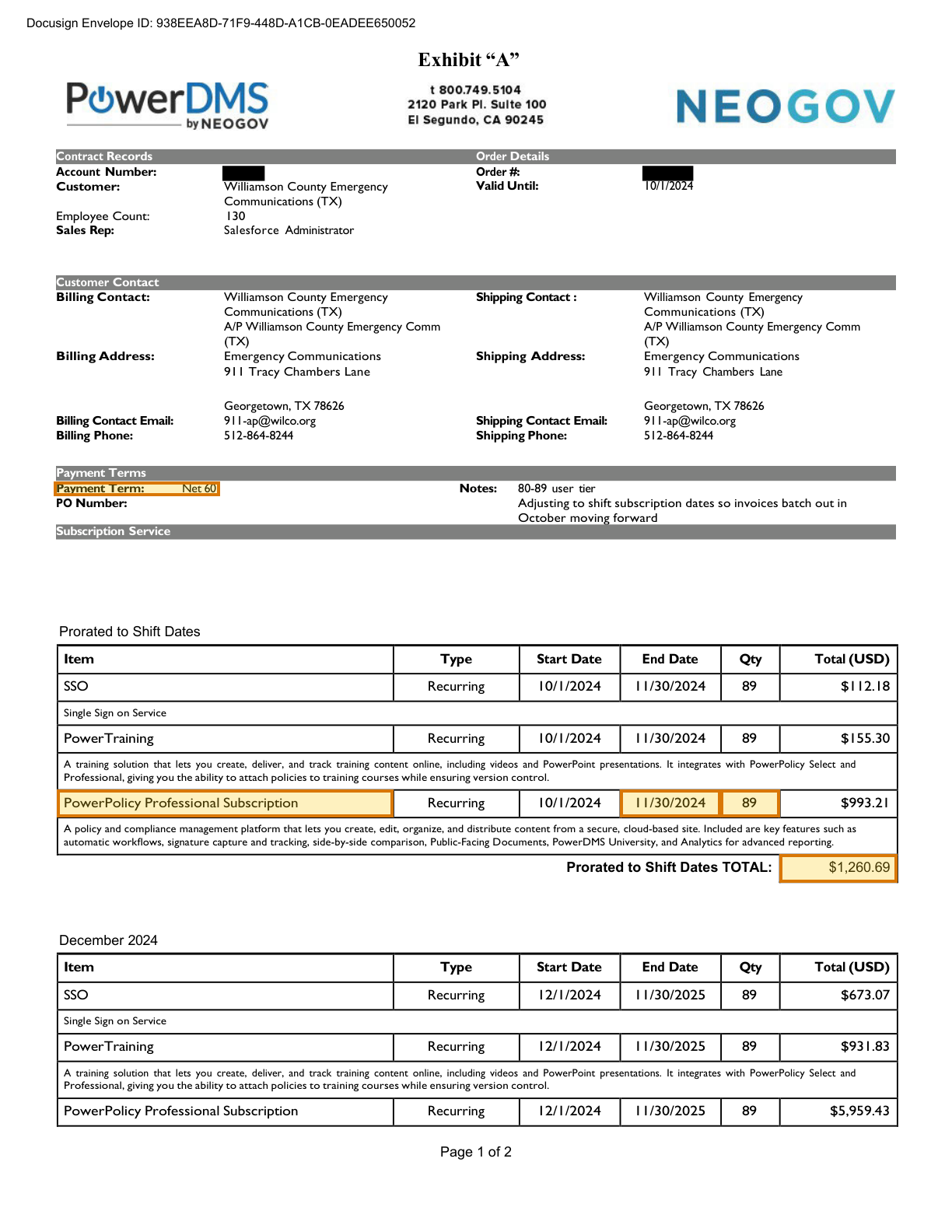
Provider, initial term, renewal and assignmentMaster Services AgreementChange-of-control consents
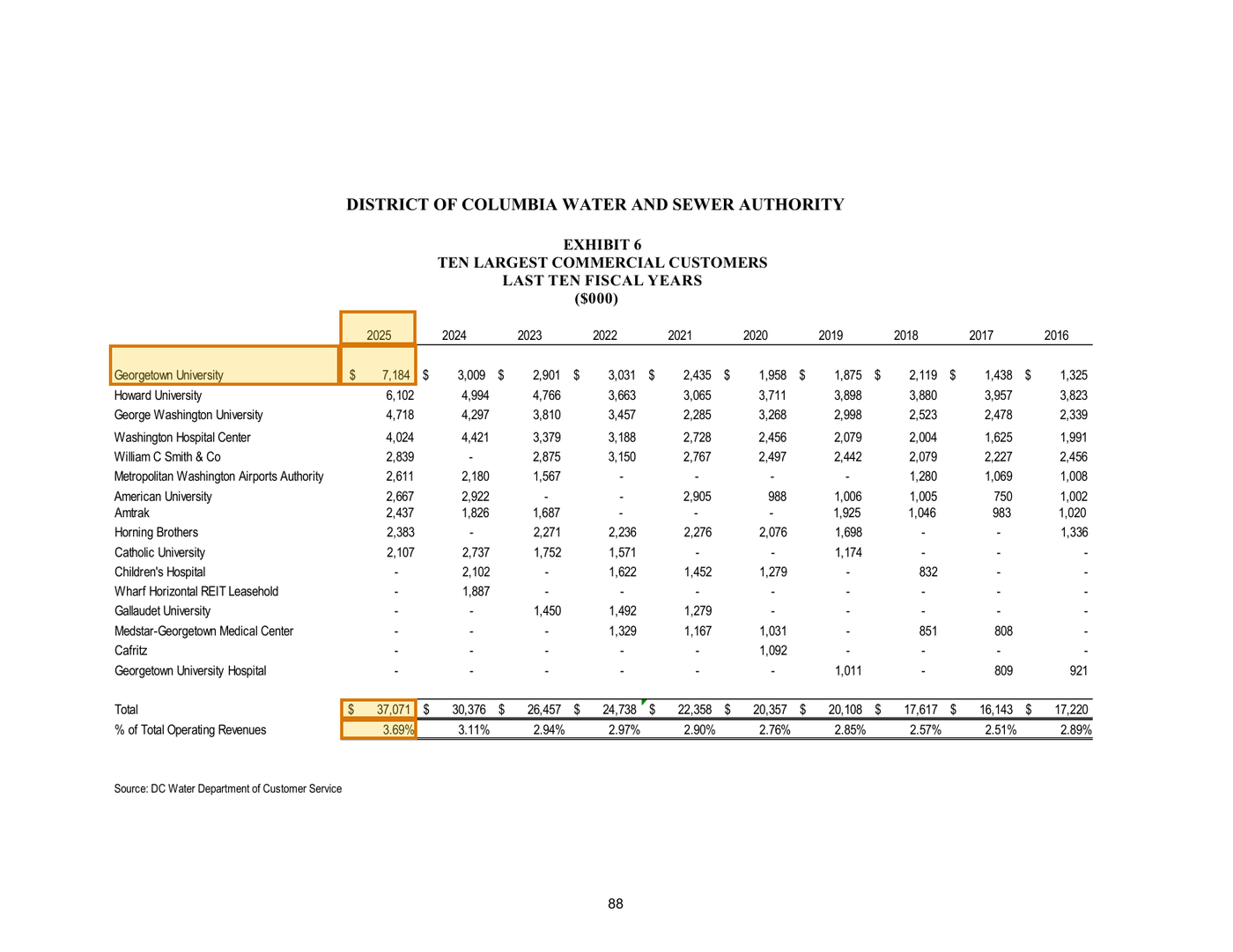
Customer, revenue and share of totalCustomer Concentration ScheduleConcentration risk
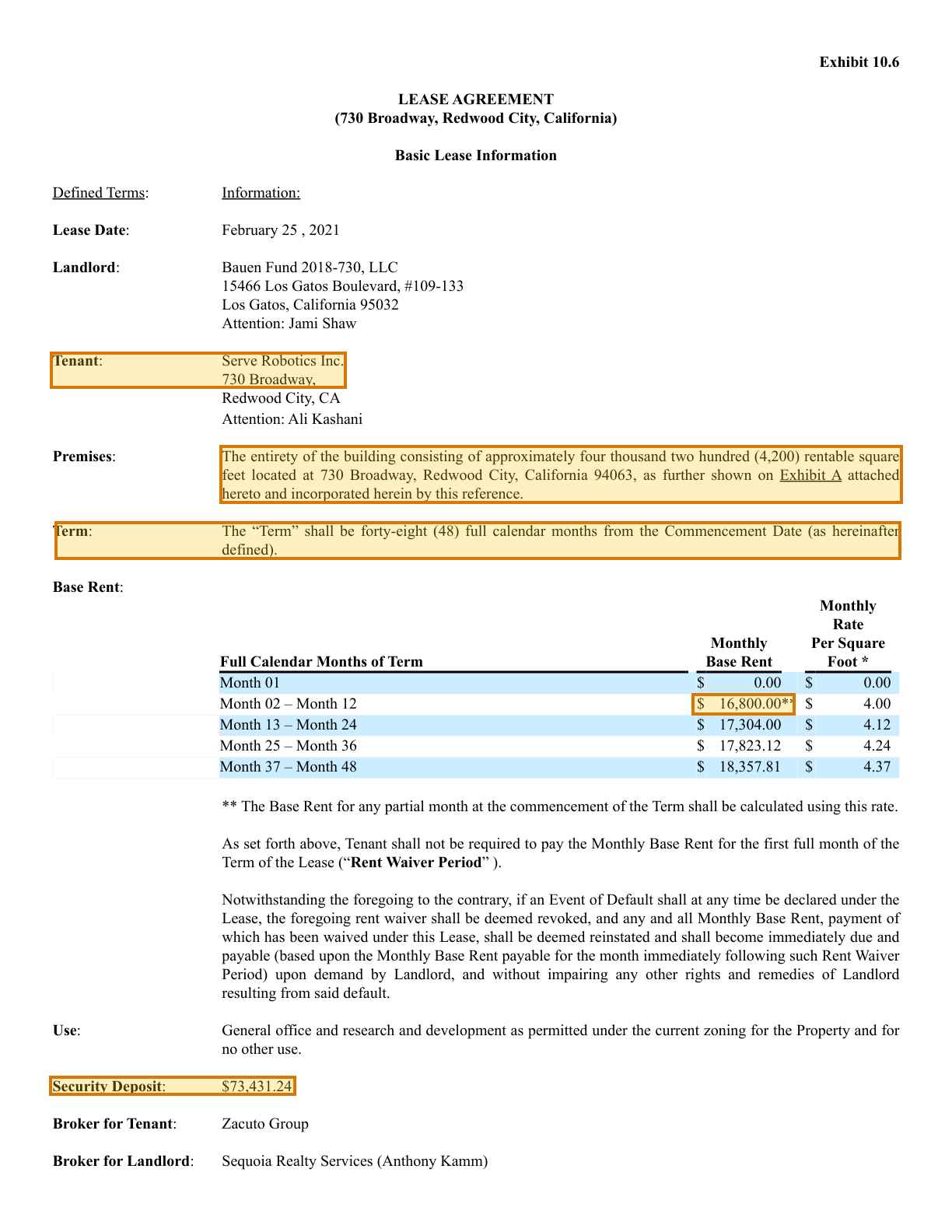
Tenant, premises, term and base rentCommercial LeaseOccupancy cost and lease liabilities
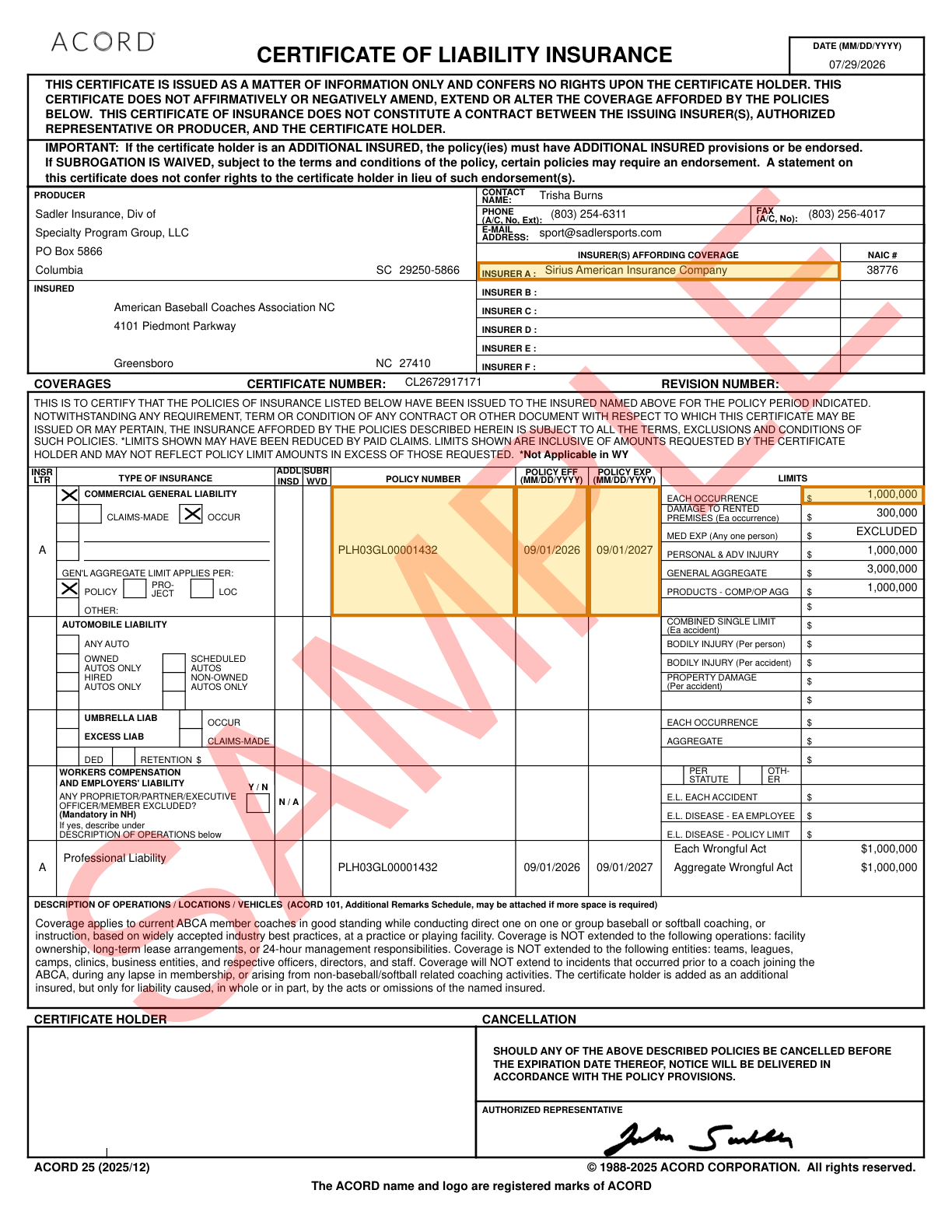
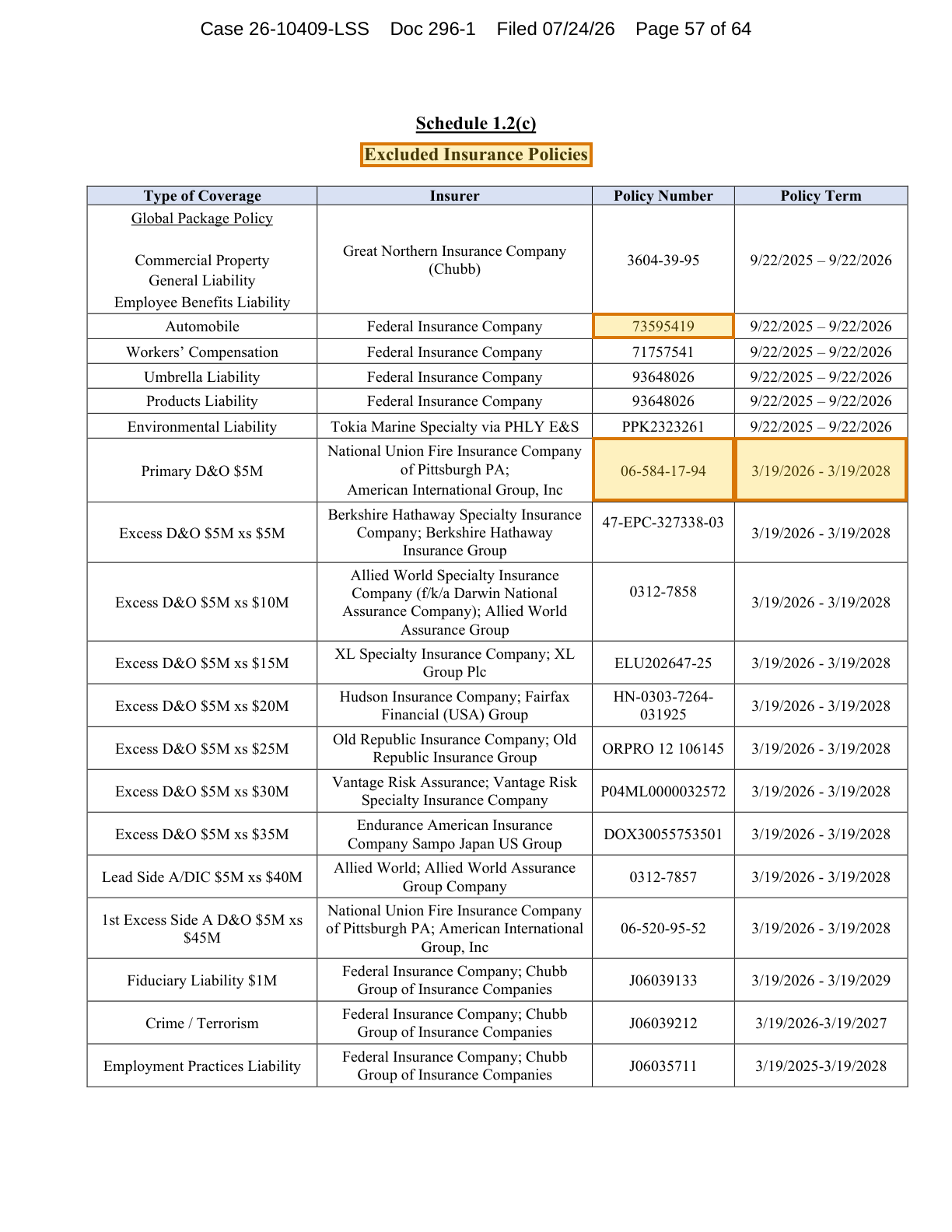
Coverage, policy number, expiration and limitsCertificate of InsuranceInsurance program and tail coverage
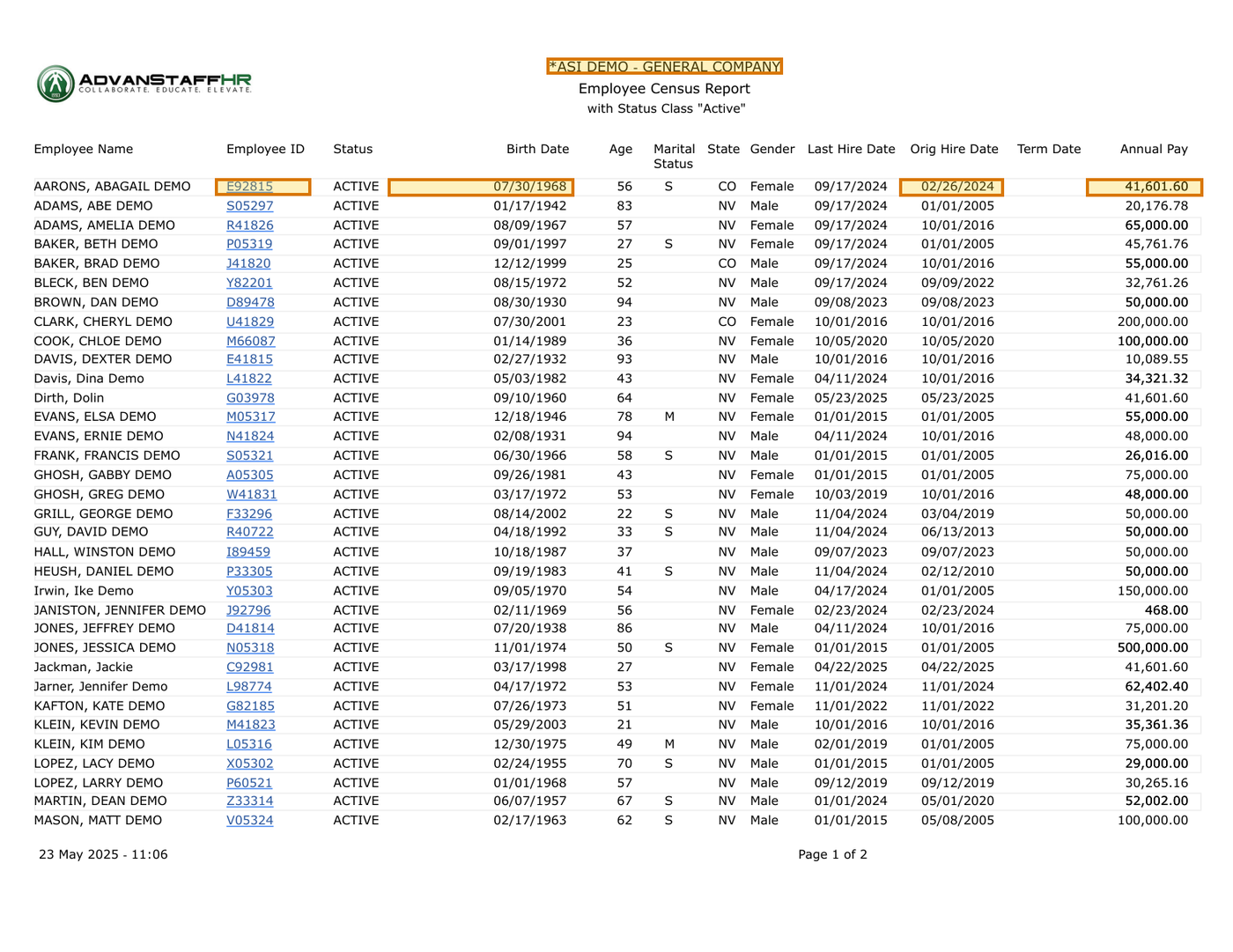
Status, hire date, annual pay and headcountEmployee CensusPayroll cost and retention planning
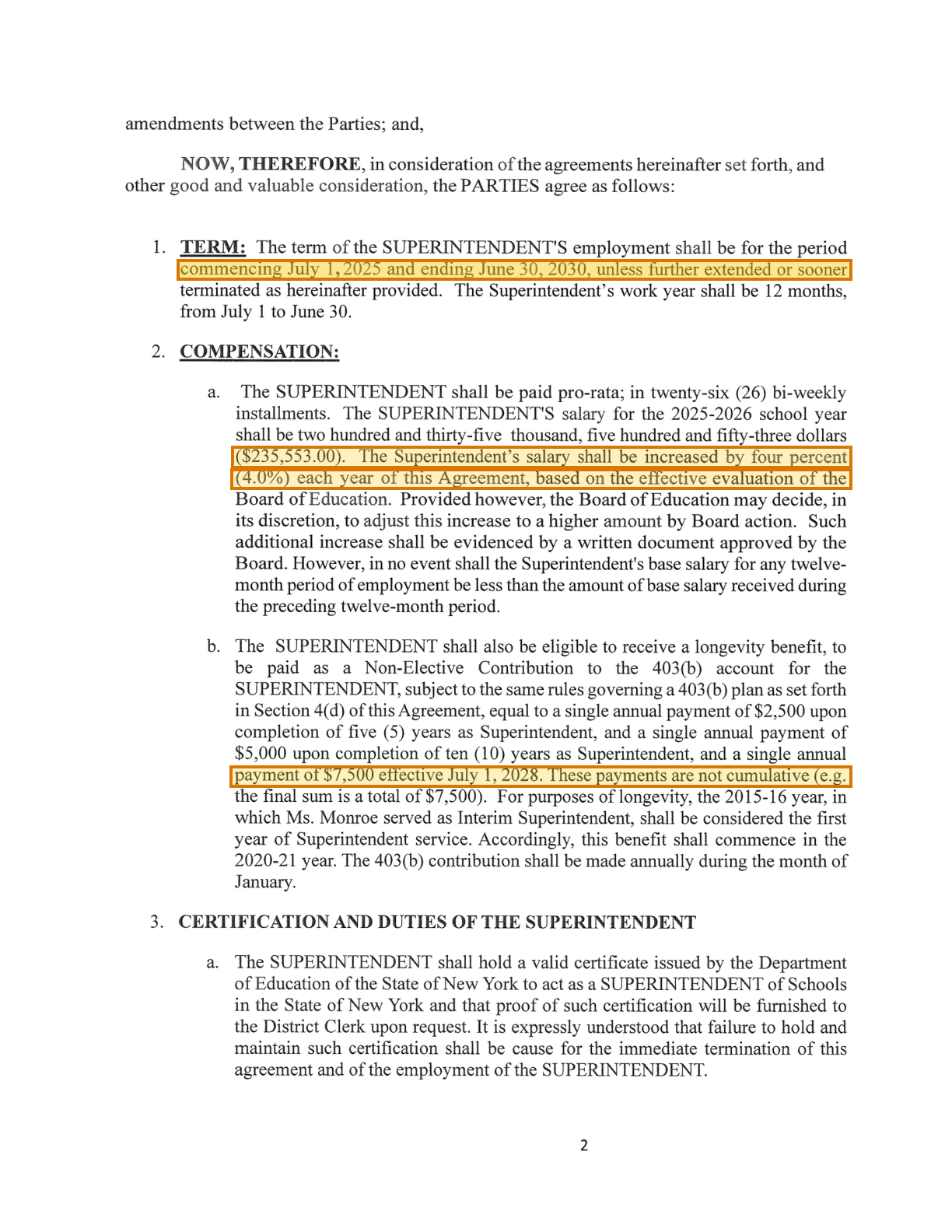
Position, term end and base salaryExecutive Employment AgreementManagement compensation and severance exposure
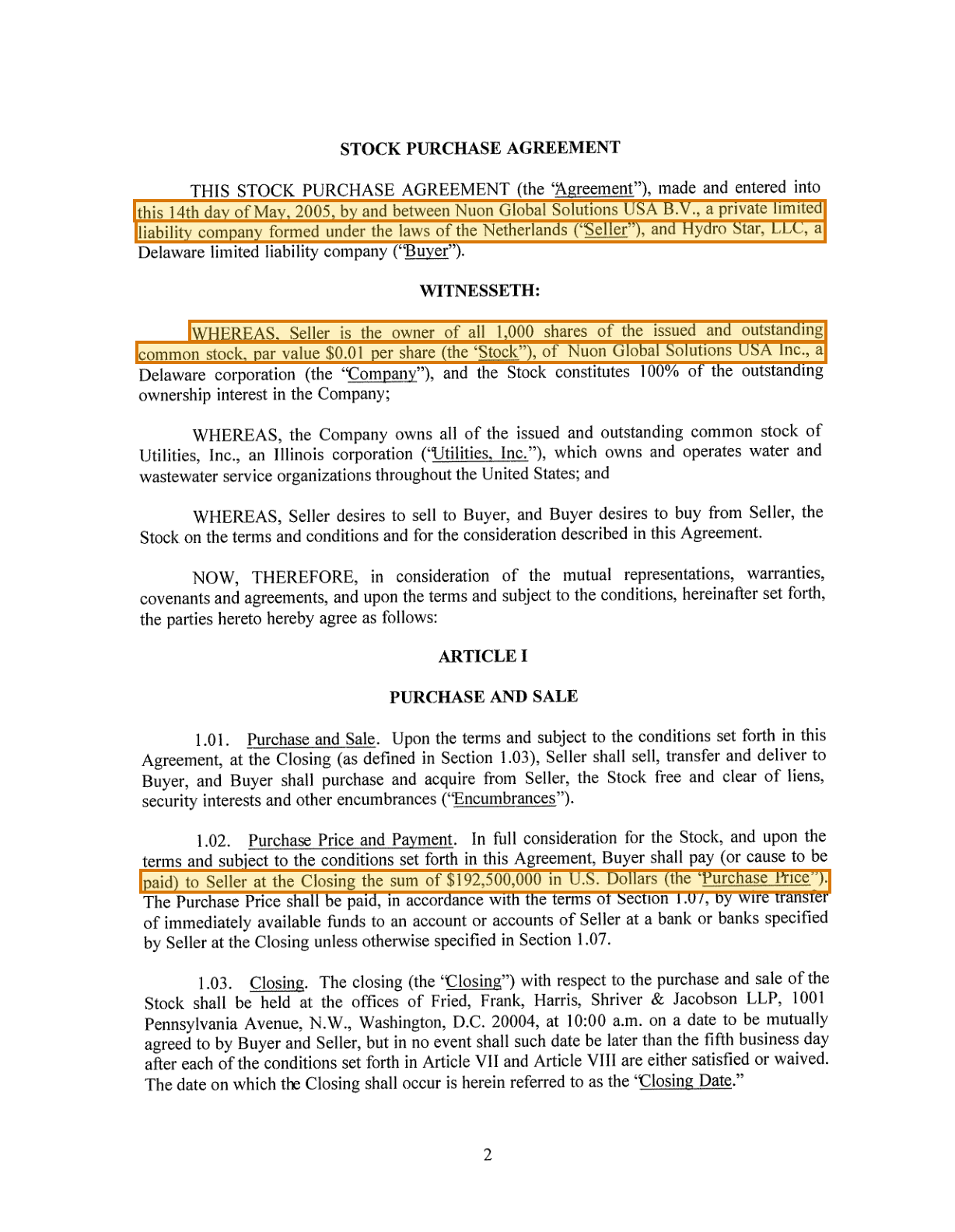
Seller, buyer, purchase price and governing lawStock Purchase AgreementClosing terms reconciled against the letter of intent
Metrics

Business impact

Deal teams measure diligence by how many deals reach a close, what each review costs and how closely the closing numbers match the model.

RevenueDeals that reach a close up
BeforeWith ADE

Finish diligence sooner and keep more deals on track

Completing diligence ranks beside regulatory hurdles as a top obstacle to closing a deal. Values extracted from each data room export leave more of the exclusivity window for the questions that decide it.

41%of US M&A professionals name completing due diligence as a top obstacle to closing, in KPMG's 2025 study2
CostAssociate hours per deal down
BeforeWith ADE

Cut the hours associates spend rekeying data room figures

Associates copy figures from CIMs, statements and schedules into the model by hand. Extracted, grounded values let them start from the numbers and open a file only where a value needs a closer look.

7,583files in the average private-target data room, against 4,896 for a public target1
RiskPost-close adjustment claims down
BeforeWith ADE

Set the working capital peg from values a reviewer can trace

After closing, a true-up compares delivered working capital with the agreed peg. Every value behind the peg carries its page and location, so the deal team checks it against the source before signing.

57%of private-target deals with a working capital adjustment open with a buyer-favorable claim3
Why LandingAI?

Documents into data

Accurate

The best accuracy on the difficult documents other tools get wrong, such as messy scans, complicated tables, checkboxes and handwriting.

Auditable

Every answer cites its sources. Values come back with an audit trail (page, bounding box, character range) so a human can review them.

Agentic

Applies multi-step reasoning, and plans before it acts. Handles documents it has never seen before and adapts to variations.

API-first

Composable APIs that drop into any tech stack and can be called from anywhere. Easy to build on and embed in your pipelines and products.

Affordable

Cost-competitive rates with complete price transparency. Spend controls before you run, and every job reports its exact cost.

Enterprise-grade

Built for production and scale from day one. Fully observable and monitored, running securely in our cloud or yours.

Built for high-volume, high-throughput production

  • Zero data retention
  • Priority rate limits
  • Enhanced support
  • VPC and on-prem deployment

Available on Team and Enterprise plans. VPC and on-prem deployment require an Enterprise plan.

Compare plans
Related

Explore related pages

FAQ

Questions, answered

Yes. Classify labels each file as a CIM, a financial statement, a contract or another type you define, whatever the seller named it. Each type then goes to its own extraction schema, so a cap table and a lease each return the fields that matter for them, and files exported later are routed the same way.

Parse reads slide text, tables and charts, and transcribes the data in a chart as a table. Section builds a table of contents for a long CIM, so the financial history and the business overview can be found by heading. Extract then returns figures such as revenue and adjusted EBITDA by period as structured JSON.

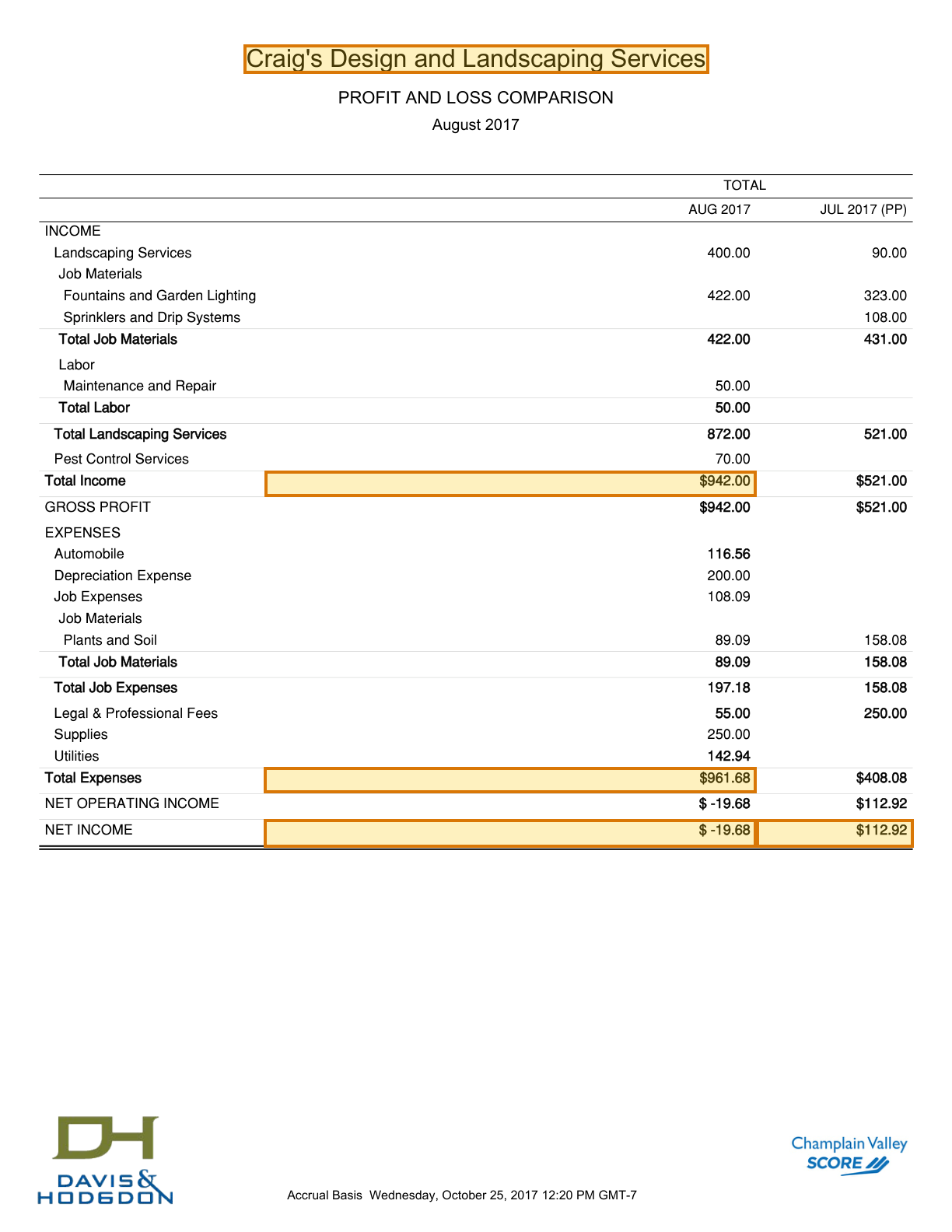
Yes. Extraction works from a schema that describes each field by name and meaning, independent of where it sits on the page. A profit and loss statement from one accounting package and an audited balance sheet from an accounting firm return the same field names, so the values load into one model.

Every extracted value carries the character ranges it was read from in the parsed document. Ground maps those ranges to the page and bounding box on the original file, so a review screen can draw the box around the figure. An associate confirms the source before the number goes into the investment committee memo.

Yes. Parse Jobs accept files of up to 6,000 pages, and Section builds a table of contents so definitions and schedules can be found by heading. Extract returns the terms your diligence tracker records, such as the lenders, the commitment amount, the renewal terms or the assignment clause, each tied to the line it came from.

Yes. Parse accepts XLSX and CSV files through the API, and each cell is grounded by its address, such as Sheet1!C5. Scanned agreements and signed certificates are read from the page image, and signatures and stamps are labeled in the output, so older documents in an export return structured values too.

Zero Data Retention (ZDR) is available on Team and Enterprise plans in the US and EU regions. With ZDR on, documents and results are not stored after processing and are not used for training. LandingAI is SOC 2 Type II certified, and its security documentation is in the Trust Center at trust.landing.ai.

Yes. On the Enterprise plan, Agentic Document Extraction runs as a containerized application in your own AWS, Azure or Google Cloud environment, or on premises. Documents and results stay inside the boundary your security team controls, and the same APIs run there. The network boundary, support access and operating model are agreed during Enterprise scoping.

Start Extracting in Minutes, Not Months

Production-ready AI extraction pipeline with document understanding.

Sources

  1. SS&C Intralinks, Bayes Business School and Mergermarket, "Private Markets Due Diligence Places Outsized Demands on Dealmakers" (study commissioned by SS&C Intralinks)
  2. KPMG, 2025 M&A Deal Market Study
  3. SRS Acquiom, M&A Purchase Price Adjustment Study
  4. SRS Acquiom, Working Capital Purchase Price Adjustment Study